👁️ What to Do If You Start Seeing Eye Floaters: An Eye Doctor’s Helpful Guide
Eye floaters are a very common visual symptom, especially as people get older. Most of the time they are harmless, but in some cases they can signal a serious eye problem that needs urgent attention.
Let’s go step by step so you know exactly what to do.
👁️ What Are Eye Floaters?
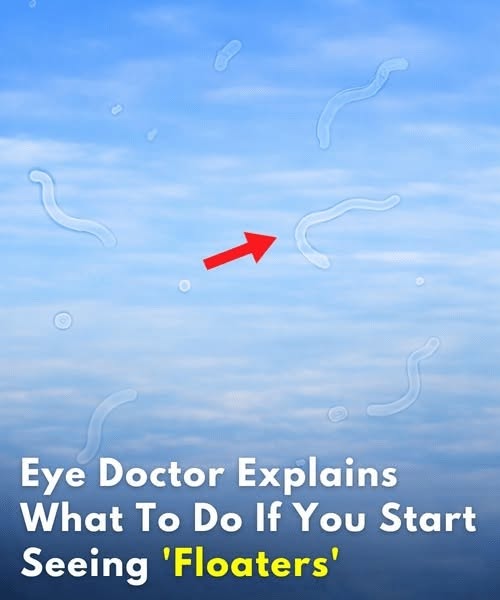
Eye floaters are small shapes that drift across your vision, such as:
- Black or gray dots
- Threads or cobweb-like lines
- Small specks that move when your eyes move
They are actually tiny clumps inside the gel-like substance of the eye called the vitreous.
🧠 Why Do Eye Floaters Happen?
Inside your eye is a gel called the vitreous. As you age, it slowly becomes more liquid and can form tiny clumps.
These clumps cast shadows on your retina → you see floaters.
Common causes include:
- Natural aging
- Nearsightedness
- Eye inflammation
- Eye injury
- Vitreous changes
⚠️ When Eye Floaters Are Usually Harmless
In most cases, floaters are:
✔ Normal
✔ Not painful
✔ Gradual in onset
✔ Stable over time
If you only notice a few floaters occasionally, it is usually not dangerous.
🚨 WARNING SIGNS (Very Important)
Seek urgent eye care if you notice:
⚡ Sudden increase in floaters
- Many new spots appearing at once
⚡ Flashes of light
- Like lightning streaks in vision
⚡ Dark curtain or shadow
- Part of vision becoming blocked
⚡ Loss of side vision
These symptoms may indicate serious problems like:
- Retinal tear
- Retinal detachment
These conditions need immediate treatment to prevent vision loss.
👁️ What You Should Do First
1. Don’t panic, but observe carefully
- Note when floaters started
- Check if they are increasing
- Watch for flashes or vision changes
2. Book an eye examination
An eye doctor may perform:
- Dilated eye exam
- Retinal check
- Eye pressure measurement
This helps rule out serious conditions.
3. Avoid ignoring sudden changes
Even if floaters seem minor, sudden onset always deserves evaluation.
🧴 Can Eye Floaters Be Treated?
✔️ Most cases: No treatment needed
Floaters often:
- Settle down over time
- Become less noticeable as brain adapts
🔬 Medical treatment (rare cases)
If floaters are severe:
- Laser vitreolysis (breaks up floaters)
- Vitrectomy surgery (removes vitreous gel)
These are only used in serious cases due to risks.
🧠 What Helps You Live With Floaters
👓 1. Move your eyes
Looking up/down can shift floaters out of view.
☀️ 2. Bright backgrounds make them more visible
They are more noticeable against:
- White walls
- Sky
- Bright screens
🧘 3. Brain adaptation
Over time, your brain learns to ignore them.
🥗 Eye Health Support
While floaters themselves cannot be “cured” with food, general eye health helps:
- Leafy greens (spinach, kale)
- Omega-3 foods (fish, nuts)
- Adequate hydration
📌 Key Takeaway
Eye floaters are usually a normal part of aging, but:
- Sudden increase + flashes = urgent eye check
- Gradual floaters alone = usually harmless
- Most people adapt and notice them less over time
If you want, I can also explain:
- how to tell floaters vs flashes vs migraine vision changes
- or early warning signs of retinal detachment in detail
- or natural ways to support long-term eye health after 40+