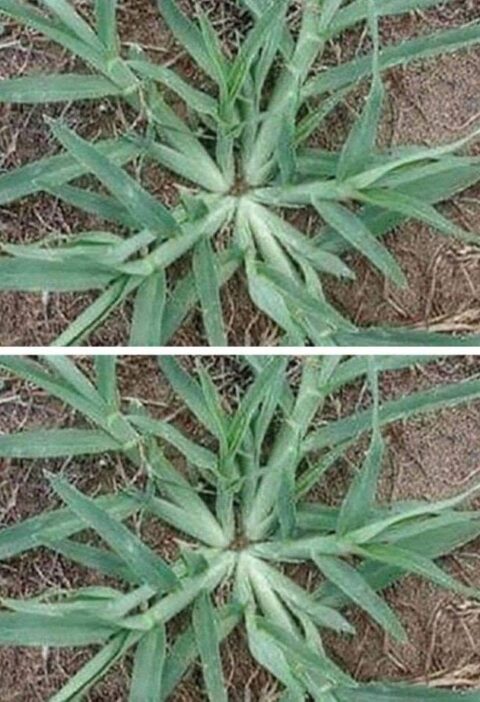
If You See This Plant, You’re Sitting on a Goldmine Without Even Knowing It! Most People Don’t Realize It…
The internet is full of videos and headlines claiming that a common backyard plant is a “hidden treasure” worth a fortune or capable of curing dozens of diseases. While these claims often exaggerate the truth, many wild and cultivated plants do have impressive nutritional, medicinal, ecological, or economic value.
The key is knowing which plant you’re looking at and understanding what it’s actually useful for. A plant isn’t automatically a “goldmine” simply because it grows abundantly or has a long history in traditional medicine.
In this article, we’ll explore what people usually mean by these claims, how to identify truly valuable plants, and why proper identification is essential before using any wild plant.
Why Do People Call Certain Plants a “Goldmine”?
When someone says a plant is a “goldmine,” they usually mean one or more of the following:
- It’s highly nutritious.
- It has traditional medicinal uses.
- It can be sold commercially.
- It’s valuable for pollinators or wildlife.
- It grows easily with little care.
- It has culinary or ornamental value.
However, “valuable” doesn’t necessarily mean “expensive” or “miraculous.”
Examples of Plants Often Called a “Goldmine”
Here are a few plants that are commonly praised for their usefulness.
1. Dandelion
Many people consider dandelions weeds, but nearly every part of the plant is edible.
Potential Uses
- Young leaves can be eaten in salads.
- Flowers can be used in syrups or teas.
- Roots are sometimes roasted as a coffee substitute.
- They provide food for pollinators like bees.
Nutritional Highlights
Dandelion greens contain:
- Vitamin A
- Vitamin C
- Vitamin K
- Potassium
- Fiber
Although dandelion has a long history in traditional herbal medicine, more research is needed to confirm many health claims.
2. Purslane
Often removed as a garden weed, purslane is actually an edible leafy plant.
Why It’s Noteworthy
It contains:
- Omega-3 fatty acids (ALA)
- Vitamin C
- Vitamin E
- Magnesium
- Potassium
Its slightly lemony flavor makes it a popular addition to salads and stir-fries in some cuisines.
3. Stinging nettle
Despite its painful sting when fresh, properly cooked or dried nettle has been used for centuries in soups, teas, and traditional remedies.
It provides:
- Iron
- Calcium
- Vitamin K
- Antioxidants
Fresh nettles should always be handled carefully because the tiny hairs on the leaves and stems can cause skin irritation.
4. Moringa
Often called the “miracle tree,” moringa is valued for its nutrient-rich leaves.
They contain:
- Protein
- Vitamin A
- Vitamin C
- Calcium
- Potassium
While moringa is nutritious, claims that it cures serious diseases are not supported by strong scientific evidence.
5. Mulberry
Mulberry trees provide:
- Sweet berries
- Leaves used to feed silkworms
- Shade
- Wildlife habitat
The fruit contains vitamin C, fiber, and antioxidants, making it a nutritious seasonal treat.
The Difference Between Traditional Uses and Proven Medical Benefits
Many plants have been used in traditional medicine for hundreds or even thousands of years.
That doesn’t necessarily mean they have been proven to:
- Cure cancer
- Reverse diabetes
- Repair kidneys
- Eliminate infections
- Replace prescription medications
Researchers continue studying many medicinal plants, but traditional use and scientific proof are not the same thing.
Could a Wild Plant Actually Be Valuable?
Yes—but not always for the reasons social media suggests.
Some plants have commercial value because they are used for:
- Herbal products
- Essential oils
- Landscaping
- Culinary herbs
- Seeds
- Specialty foods
However, market demand, local regulations, quality, and processing all affect whether a plant has real economic value.
Why Proper Identification Matters
One of the biggest dangers of viral plant videos is misidentification.
Many edible plants have poisonous look-alikes.
For example:
- Some edible wild greens resemble toxic species.
- Certain berries look nearly identical to poisonous fruits.
- Mistaking one plant for another can cause serious illness.
Never eat a wild plant unless you are completely certain of its identity.
How to Identify an Unknown Plant
Look at several features together:
- Leaf shape
- Leaf arrangement
- Flower color and structure
- Stem characteristics
- Fruit or seed pods
- Plant height
- Growth habit
- Habitat
A single feature is rarely enough for accurate identification.
If you’re unsure, consult:
- Local botanical gardens
- University extension services
- Experienced foragers
- Reliable field guides
Benefits of Growing Useful Plants at Home
Many useful plants can thrive in home gardens.
Advantages include:
- Fresh ingredients for cooking
- Food for pollinators
- Attractive landscaping
- Reduced grocery costs
- Opportunities to learn about nature
Popular beginner-friendly options include herbs such as basil, parsley, mint, and rosemary, as well as edible greens and berry bushes suited to your climate.
Common Myths About “Miracle Plants”
Myth 1: One plant can cure every disease.
False. No single plant has been proven to cure a wide range of unrelated diseases.
Myth 2: Natural always means safe.
False. Many natural plants can cause allergic reactions, interact with medications, or even be poisonous.
Myth 3: If it grows everywhere, it must be worthless.
False. Some common plants are nutritious or ecologically important despite being widespread.
Myth 4: Every medicinal plant works the same for everyone.
False. Effects vary depending on the individual, the preparation, dosage, and the condition being treated.
Frequently Asked Questions
Are wild plants safe to eat?
Only if they have been correctly identified and are known to be edible. Never consume an unidentified plant.
Can I make money from growing medicinal plants?
Possibly, but success depends on local demand, regulations, cultivation costs, and market access. Not every medicinal plant is profitable.
Should I replace my medications with herbal remedies?
No. Herbal products can complement healthcare in some situations, but they should not replace prescribed treatments without guidance from a qualified healthcare professional.
Final Thoughts
The phrase “If you see this plant, you’re sitting on a goldmine” is often an exaggeration designed to attract attention. While many plants are genuinely valuable—for their nutrition, beauty, ecological role, or traditional uses—very few are the miracle cures or hidden fortunes that viral posts suggest.
The real “goldmine” lies in learning about the plants around you: understanding which are edible, which support wildlife, which have evidence-backed uses, and which should be left alone. Knowledge, rather than hype, is what turns an ordinary plant into something truly valuable.
If you have a photo of a specific plant, upload it here. I can help identify it, describe its characteristics, explain any known uses, and discuss what scientific evidence says about its benefits and safety.