If You Have Hip Pain, It’s a Clear Sign That… Understanding the Possible Causes
Hip pain is a common complaint that can affect people of all ages. While it is easy to assume that any discomfort in the hip is simply due to aging or overuse, persistent or severe hip pain can be a sign of an underlying medical condition that should not be ignored.
The location, severity, and timing of your hip pain can provide important clues about its cause. Some conditions are mild and improve with rest, while others require prompt medical evaluation.
What Does Hip Pain Mean?
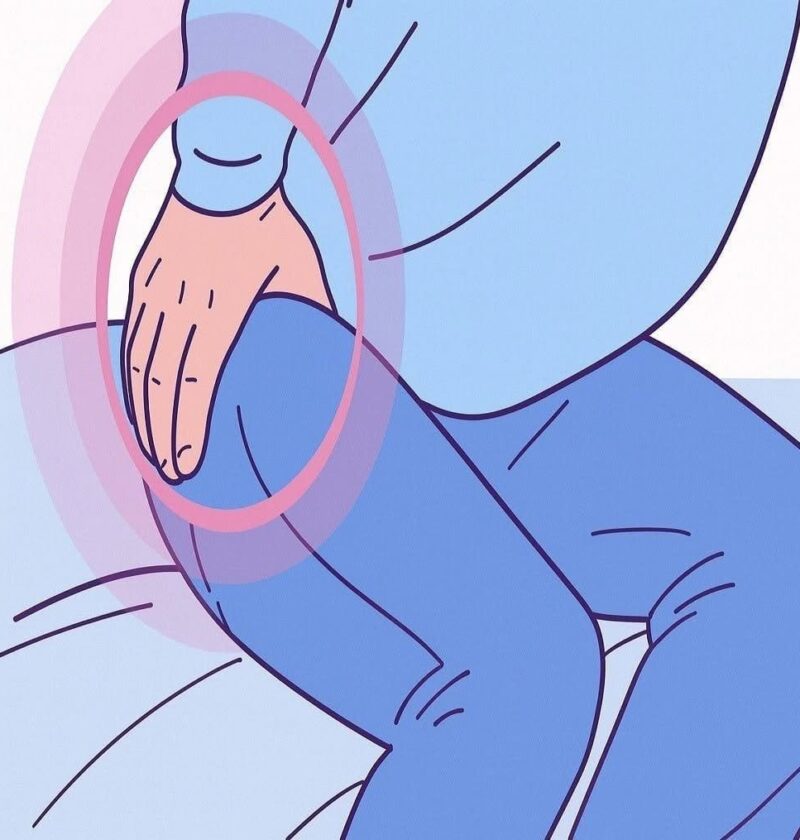
Hip pain is not a diagnosis—it is a symptom. It may indicate a problem involving the hip joint itself or nearby structures such as muscles, tendons, ligaments, nerves, or even the lower back.
Common causes include:
- Muscle or tendon strain
- Arthritis
- Bursitis
- Tendinitis
- Hip labral tear
- Sciatica
- Hip fracture
- Pinched nerve
- Bone or joint infection (less common)
Common Causes of Hip Pain
1. Osteoarthritis
Osteoarthritis is the most common cause of hip pain in older adults.
Symptoms
- Pain in the groin or front of the hip
- Stiffness, especially in the morning
- Pain that worsens with activity
- Reduced range of motion
- Clicking or grinding sensations
As the protective cartilage wears away, bones rub against each other, causing pain and stiffness.
2. Hip Bursitis
Trochanteric bursitis occurs when a small fluid-filled sac (bursa) on the outside of the hip becomes inflamed.
Symptoms
- Pain on the outer side of the hip
- Tenderness when touching the area
- Pain while lying on the affected side
- Discomfort when climbing stairs
This condition is common in runners, older adults, and people who spend long periods standing.
3. Muscle or Tendon Strain
Overuse or sudden movements can strain the muscles or tendons around the hip.
Symptoms
- Sharp pain after exercise
- Swelling
- Muscle weakness
- Pain during movement
Most mild strains improve with rest and gradual return to activity.
4. Hip Tendinitis
Tendinitis is inflammation of the tendons around the hip.
Symptoms
- Pain during walking
- Pain while climbing stairs
- Stiffness
- Tenderness
It often develops after repetitive activities such as running or cycling.
5. Hip Labral Tear
The labrum is a ring of cartilage that helps stabilize the hip joint.
Symptoms
- Deep groin pain
- Clicking or locking sensation
- Reduced flexibility
- Pain with twisting movements
Athletes and people with structural abnormalities of the hip are at higher risk.
6. Sciatica
Sciatica is caused by irritation or compression of the sciatic nerve.
Symptoms
- Pain beginning in the lower back or buttock
- Pain traveling down the leg
- Tingling or numbness
- Burning sensation
- Muscle weakness
Although the pain is often felt near the hip, the problem usually originates in the lower spine.
7. Hip Fracture
A hip fracture is a medical emergency, particularly in older adults.
Symptoms
- Sudden severe hip pain
- Inability to stand or walk
- Leg appearing shorter
- Foot turned outward
- Pain after a fall
Seek immediate medical attention if a hip fracture is suspected.
8. Rheumatoid Arthritis
Rheumatoid arthritis is an autoimmune disease that can affect the hip joints.
Symptoms
- Joint pain
- Morning stiffness lasting more than 30 minutes
- Swelling
- Fatigue
- Pain in multiple joints
9. Avascular Necrosis
Avascular necrosis occurs when blood flow to the hip bone is reduced, causing bone tissue to die.
Risk Factors
- Long-term steroid use
- Heavy alcohol use
- Hip injury
- Certain medical conditions
Symptoms
- Deep hip pain
- Pain during walking
- Progressive stiffness
Without treatment, the joint can collapse.
10. Hip Infection
Although uncommon, an infection in the hip joint can be serious.
Symptoms
- Fever
- Severe hip pain
- Redness or warmth around the joint
- Difficulty moving the leg
This requires urgent medical evaluation.
Where Your Hip Hurts Can Offer Clues
Front of the Hip or Groin
Pain here is often linked to problems inside the hip joint, such as arthritis or a labral tear.
Outer Side of the Hip
This commonly suggests bursitis or tendon problems.
Back of the Hip
Pain in the back of the hip or buttock is more likely related to the lower back, muscles, or sciatica.
Risk Factors for Hip Pain
You may be more likely to develop hip pain if you:
- Are over age 50
- Have obesity
- Participate in high-impact sports
- Have previous hip injuries
- Have osteoporosis
- Have arthritis
- Perform repetitive physical work
Home Care for Mild Hip Pain
If your pain is mild and follows overuse, you may find relief by:
- Resting the affected hip
- Applying ice for the first 24–48 hours
- Switching to gentle heat afterward if it helps
- Performing gentle stretching exercises
- Avoiding activities that worsen the pain
- Maintaining a healthy weight
- Wearing supportive footwear
If symptoms persist for more than a few days, worsen, or limit your daily activities, see a healthcare professional.
When to See a Doctor
Schedule a medical evaluation if:
- Hip pain lasts longer than a week despite home care
- Walking becomes difficult
- Pain interrupts sleep
- You notice swelling or redness
- The pain keeps returning
- You develop numbness or weakness in the leg
When to Seek Emergency Care
Get emergency medical help immediately if you have:
- Severe pain after a fall or accident
- Inability to bear weight on the leg
- A visibly deformed hip or leg
- Fever with severe hip pain
- Sudden inability to move the hip
- Severe swelling with redness and warmth
These symptoms may indicate a fracture, serious infection, or another urgent condition.
Can Hip Pain Be Prevented?
You can lower your risk of some types of hip pain by:
- Maintaining a healthy weight
- Staying physically active
- Strengthening the muscles around the hips and core
- Stretching before and after exercise
- Wearing appropriate footwear
- Avoiding repetitive overuse
- Taking steps to prevent falls, especially as you get older
Frequently Asked Questions
Is hip pain always caused by arthritis?
No. While arthritis is a common cause—especially in older adults—hip pain can also result from muscle strains, bursitis, tendon injuries, nerve problems, fractures, or other conditions.
Can lower back problems cause hip pain?
Yes. Conditions such as sciatica or other lower back disorders can cause pain that radiates into the hip or buttock.
Should I keep exercising if my hip hurts?
It depends on the cause. Gentle, low-impact activities may help some conditions, but if pain is severe, follows an injury, or worsens with activity, stop exercising and seek medical advice.
Key Takeaway
Hip pain is a symptom with many possible causes, ranging from minor muscle strains to conditions such as osteoarthritis, bursitis, sciatica, fractures, or joint infections. The location of the pain, how it started, and any accompanying symptoms can help identify the underlying problem. Mild pain may improve with rest and self-care, but persistent pain, difficulty walking, fever, or pain after a fall should be evaluated promptly by a healthcare professional to determine the cause and the most appropriate treatment.