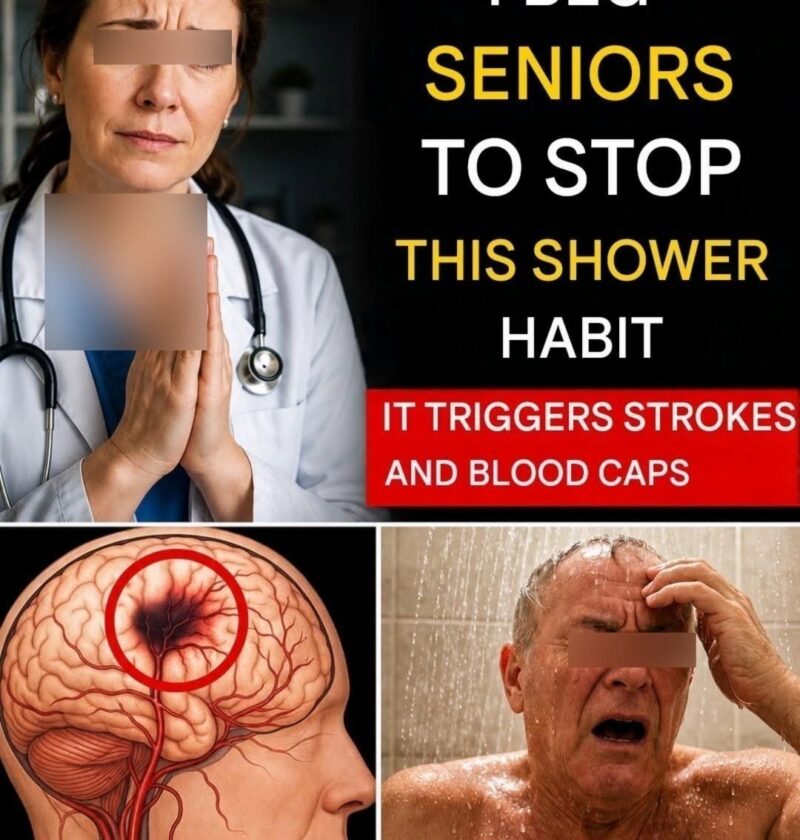
That headline is written in a very sensational, fear-based way, and it’s not supported as a simple “one shower habit = stroke overnight” rule.
There is no medical evidence that a normal shower by itself directly causes a stroke in healthy people. However, certain unsafe shower behaviors in older adults or high-risk people can temporarily affect blood pressure and circulation, which is where these claims usually come from.
Let’s break it down properly.
🧠 Does Showering Increase Stroke Risk?
A normal shower does NOT cause stroke.
But in some situations, a shower can trigger temporary stress on the cardiovascular system, especially in seniors or people with existing conditions like:
- Hypertension
- Heart disease
- Poor circulation
- History of stroke
🚿 The REAL “Risky Shower Habits” (What Doctors Actually Warn About)
🔥 1. Very hot showers (main concern)
Hot water can:
- Widen blood vessels suddenly (vasodilation)
- Lower blood pressure too fast
- Cause dizziness or fainting in some people
👉 In vulnerable individuals, this can increase risk of falls or heart stress.
❄️ 2. Very cold showers (less common but still risky)
Cold water can:
- Suddenly raise blood pressure
- Increase heart workload
- Trigger stress response in the body
⏱️ 3. Standing too long in the shower
Especially in elderly people:
- Blood pools in legs
- Blood pressure drops
- Risk of dizziness or fainting increases
🧍 4. Getting up too quickly after shower
After warm water exposure:
- Blood pressure may already be low
- Standing quickly can cause lightheadedness
🚪 5. Showering without support (important for seniors)
Risk increases if:
- Bathroom is slippery
- No grab bars or support
- Person already feels weak or unsteady
🧠 Why People Link Showers to Stroke (Misleading Part)
A stroke happens when:
- Blood flow to brain is blocked or ruptures
But showers only indirectly affect:
- Blood pressure
- Heart rate
- Circulation
So what may actually happen is:
- Dizziness → fall → injury
NOT sudden stroke caused by shower itself
🚨 Who Should Be Extra Careful
People at higher risk:
- Older adults (70+)
- People with Hypertension
- Heart patients
- History of stroke or fainting
- People on blood pressure medications
🛁 Safe Shower Habits (Very Important)
✔️ 1. Use warm, not hot water
- Comfortable temperature
- Avoid extremes
✔️ 2. Keep showers short
- 5–10 minutes is enough
✔️ 3. Sit if needed
- Use a shower chair if balance is weak
✔️ 4. Stand up slowly after shower
- Pause before stepping out
✔️ 5. Keep bathroom safe
- Non-slip mat
- Grab bars
- Good lighting
✔️ 6. Stay hydrated
- Dehydration can worsen dizziness
🧠 Key Medical Truth
- There is no direct link between showering and stroke
- Risk comes from blood pressure changes in vulnerable people
- The real danger is dizziness, falls, or heart stress—not the shower itself
📌 Key Takeaway
The claim “this shower habit increases stroke risk overnight” is exaggerated. However, very hot showers, long standing, and sudden posture changes can cause blood pressure fluctuations, especially in seniors with underlying health conditions.
Safe bathing habits can easily prevent these issues.
If you want, I can also explain:
- early warning signs of stroke everyone should know
- or safe daily routines for seniors with high blood pressure
- or how to reduce dizziness and balance problems at home