Leg Cramps at Night: This Could Be the Reason — You’ll Be Surprised
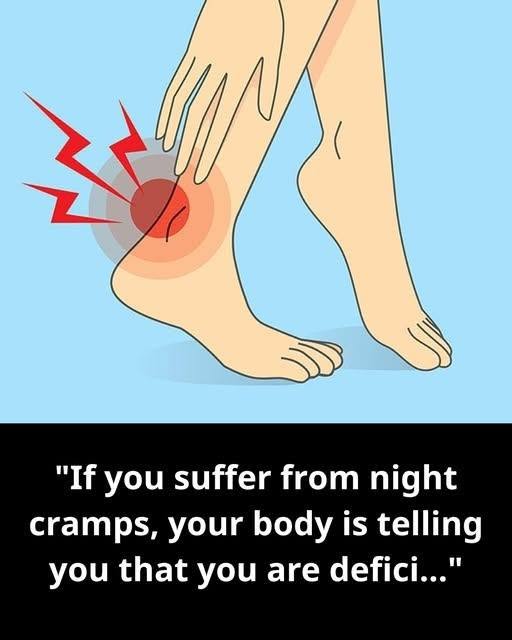
Nighttime leg cramps are sudden, painful, involuntary muscle contractions that usually affect the calf, foot, or thigh while you’re sleeping or resting. They can last from a few seconds to several minutes, and the muscle may remain sore for hours afterward.
Despite many internet headlines claiming there is one surprising cause, the reality is that nighttime leg cramps have many possible causes, and in many people, no single cause can be identified. They become more common with age and are especially frequent in adults over 50.
What Is a Nighttime Leg Cramp?
A leg cramp occurs when a muscle contracts forcefully and cannot relax.
Most cramps occur in the:
- Calf muscles (most common)
- Feet
- Toes
- Back of the thigh (hamstrings)
- Front of the thigh (quadriceps)
Unlike muscle soreness after exercise, a cramp comes on suddenly and can be intense enough to wake someone from sleep.
Why Do Leg Cramps Happen at Night?
Scientists don’t fully understand why nighttime cramps occur, but several factors are known to increase the risk.
1. Muscle Fatigue (One of the Most Common Causes)
Overusing your muscles during the day can make them more likely to cramp at night.
Examples include:
- Walking much farther than usual
- Gardening
- Standing for long hours
- Climbing stairs repeatedly
- Strenuous exercise
When muscles become fatigued, the nerves controlling them may become more excitable, making involuntary contractions more likely.
2. Aging
Nighttime leg cramps become increasingly common with age.
Why?
As we age:
- Muscle mass gradually decreases (a process called sarcopenia).
- Tendons become less flexible.
- Nerve function changes.
- Blood circulation may be less efficient.
- Physical activity patterns often change.
These factors can make muscles more prone to cramping.
3. Dehydration
Water is essential for normal muscle and nerve function.
If you’re dehydrated, your muscles may become more susceptible to cramping.
Common causes of dehydration include:
- Not drinking enough fluids
- Hot weather
- Fever
- Vomiting or diarrhea
- Excessive sweating
Older adults are at higher risk because the sense of thirst often becomes less pronounced with age.
4. Sitting or Standing for Long Periods
Remaining in one position for extended periods can shorten or fatigue muscles.
Examples include:
- Long car rides
- Air travel
- Desk work
- Standing at work all day
Changing positions and stretching during the day may reduce the likelihood of cramps.
5. Pregnancy
Nighttime leg cramps are especially common during the second and third trimesters.
Possible contributing factors include:
- Increased weight on the legs
- Changes in circulation
- Altered nerve function
- Hormonal changes
These cramps usually improve after childbirth.
Can Vitamin or Mineral Deficiencies Cause Leg Cramps?
This is one of the most common claims online.
The answer is: sometimes, but not usually.
Certain deficiencies can contribute to muscle cramps in some people, including:
Low Magnesium
Magnesium plays a role in muscle relaxation and nerve function.
However, studies have not consistently shown that magnesium supplements prevent nighttime leg cramps in the general population. They may help in specific situations, such as some cases during pregnancy, but the evidence is mixed.
Low Potassium
Potassium helps muscles and nerves function properly.
True potassium deficiency (hypokalemia) can cause:
- Muscle weakness
- Fatigue
- Muscle cramps
- Abnormal heart rhythms
It is more likely to occur due to:
- Certain diuretic (“water pill”) medications
- Vomiting or diarrhea
- Kidney disorders
Most people with a balanced diet are not deficient.
Low Calcium
Calcium is essential for muscle contraction.
Significant calcium deficiency can cause muscle cramps, but it is a less common cause than many people think.
Medications That Can Contribute to Leg Cramps
Some medications are associated with an increased risk of muscle cramps, including:
- Certain diuretics (water pills), which can affect fluid and electrolyte balance
- Some cholesterol-lowering medications (statins), which may cause muscle symptoms in some people
- Certain asthma medications
- Some medications used to treat osteoporosis
If cramps begin after starting a new medication, discuss this with your healthcare professional before making any changes.
Medical Conditions Associated With Nighttime Leg Cramps
Sometimes leg cramps are related to an underlying health condition, such as:
- Diabetes
- Kidney disease
- Liver disease
- Peripheral artery disease (reduced blood flow to the legs)
- Nerve disorders (neuropathies)
- Thyroid disorders
- Parkinson’s disease
Treating the underlying condition may help reduce cramping.
Are Leg Cramps the Same as Restless Legs Syndrome?
No.
These are two different conditions.
Nighttime Leg Cramps
- Sudden, painful muscle tightening
- Muscle feels hard during the cramp
- Lasts seconds to minutes
- Pain is the main symptom
Restless Legs Syndrome
- Uncomfortable sensations in the legs
- Strong urge to move the legs
- Usually not painful
- Movement provides temporary relief
The two conditions can sometimes occur in the same person but have different causes and treatments.
Immediate Relief During a Cramp
If a cramp occurs, the following may help:
- Gently stretch the affected muscle.
- For a calf cramp, straighten the leg and pull your toes toward your shin.
- Massage the muscle.
- Gentle rubbing can help it relax.
- Walk carefully if able.
- Light movement may relieve the contraction.
- Apply warmth.
- A warm towel or heating pad can relax the muscle.
Some people find that applying ice after the cramp helps if the muscle remains sore.
Preventing Nighttime Leg Cramps
1. Stretch Before Bed
Gentle stretching of the calf and hamstring muscles before sleeping may reduce cramp frequency in some people.
2. Stay Hydrated
Drink enough fluids throughout the day, particularly during hot weather or after exercise.
3. Stay Active
Regular physical activity helps maintain muscle strength and flexibility.
Both inactivity and overexertion can contribute to cramps, so aim for a balanced level of activity.
4. Wear Supportive Footwear
Properly fitting shoes can help reduce muscle strain, especially if you spend long periods standing or walking.
5. Review Medications
If you suspect a medication may be contributing to cramps, consult your healthcare professional. Do not stop prescribed medications without medical advice.
Common Myths
Myth 1: “Eating a banana will always stop leg cramps.”
Fact: Bananas contain potassium, but unless you have a potassium deficiency, eating bananas is unlikely to eliminate nighttime cramps.
Myth 2: “All leg cramps are caused by dehydration.”
Fact: Dehydration can contribute, but many people who experience nighttime cramps are well hydrated.
Myth 3: “Magnesium supplements work for everyone.”
Fact: Current evidence does not support magnesium as a universal treatment for nighttime leg cramps.
Myth 4: “Leg cramps are always harmless.”
Fact: While most are benign, frequent or severe cramps can occasionally signal an underlying medical condition that should be evaluated.
When to Seek Medical Advice
Occasional nighttime leg cramps are common and usually not a cause for concern.
However, you should consult a healthcare professional if:
- Cramps occur frequently or severely enough to disrupt sleep.
- They are accompanied by persistent muscle weakness, numbness, or swelling.
- One leg becomes red, warm, or swollen, especially if you also have chest pain or shortness of breath (this could indicate a blood clot and requires urgent medical attention).
- You have known kidney disease, diabetes, or another chronic condition and cramps are worsening.
- The cramps begin after starting a new medication.
Key Takeaways
- Nighttime leg cramps are common, particularly in older adults.
- There is no single “surprising” cause; they often result from a combination of factors such as muscle fatigue, aging, dehydration, prolonged sitting or standing, pregnancy, medications, or certain medical conditions.
- Vitamin and mineral deficiencies (such as low potassium, calcium, or magnesium) can contribute in some cases, but they are not the most common cause.
- Gentle stretching, staying hydrated, regular physical activity, and reviewing medications with a healthcare professional can help reduce the frequency of cramps.
- If cramps are frequent, severe, or associated with other symptoms like weakness, numbness, or leg swelling, a medical evaluation is important to rule out underlying health problems.