10 Indicators of Blocked Arteries You Shouldn’t Ignore
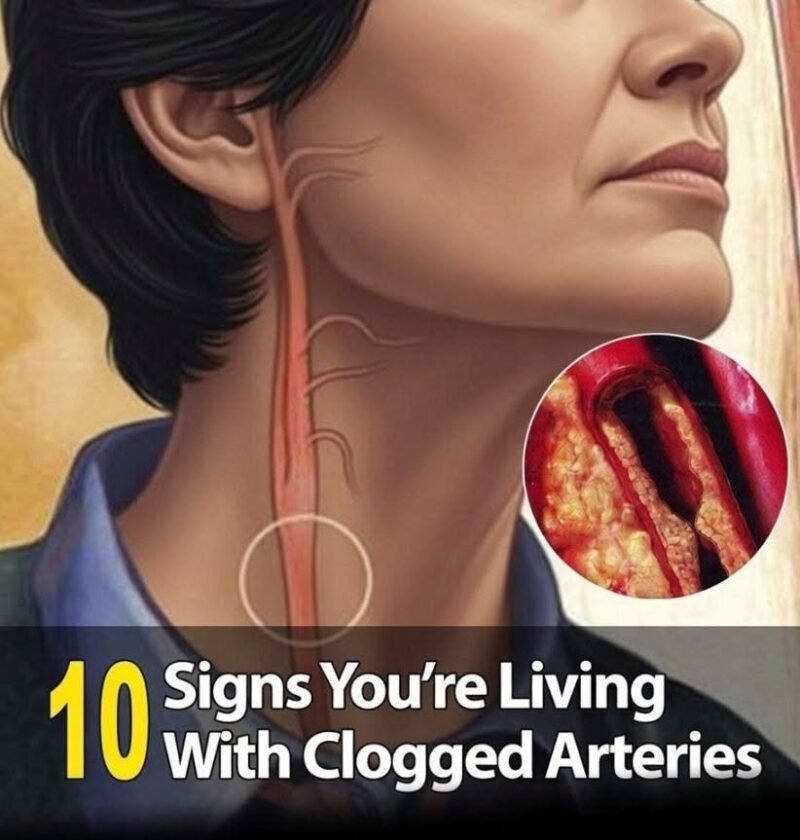
Blocked arteries, also known as atherosclerosis, occur when fatty deposits called plaque build up inside the walls of the arteries. Over time, these deposits can narrow the arteries, reducing blood flow to vital organs such as the heart, brain, and limbs. If a plaque ruptures, it can trigger the formation of a blood clot, potentially leading to a heart attack, stroke, or peripheral artery disease (PAD).
Atherosclerosis often develops slowly over many years and may not cause symptoms until blood flow is significantly reduced. Recognizing early warning signs and seeking prompt medical evaluation can help prevent serious complications.
Below are 10 important indicators of blocked arteries, why they occur, and when to seek medical attention.
1. Chest Pain or Pressure (Angina)
One of the most common symptoms of blocked arteries supplying the heart is angina, a type of chest discomfort caused by reduced blood flow to the heart muscle.
What It Feels Like
People often describe angina as:
- Pressure or tightness in the chest
- A squeezing or heavy sensation
- Burning or aching discomfort
- Pain that may spread to the shoulders, arms, neck, jaw, or back
Angina typically occurs during physical activity or emotional stress and improves with rest. However, chest pain that occurs at rest, becomes more severe, or lasts longer than a few minutes requires immediate medical attention.
2. Shortness of Breath
If narrowed coronary arteries reduce the heart’s ability to pump blood efficiently, you may experience shortness of breath.
Signs
- Difficulty breathing during activities that were previously easy
- Feeling unusually winded when climbing stairs
- Shortness of breath while walking
- In severe cases, difficulty breathing even while resting or lying flat
Shortness of breath can also have many other causes, including lung disease and anemia, so it should be evaluated by a healthcare professional.
3. Pain in the Legs While Walking (Claudication)
Blocked arteries in the legs can cause claudication, a hallmark symptom of peripheral artery disease.
Symptoms
- Cramping pain in the calves, thighs, hips, or buttocks during walking
- Pain that improves with rest
- Leg fatigue or heaviness during exercise
The discomfort typically returns when activity resumes.
4. Cold Feet or Legs
Reduced circulation may make one or both legs or feet feel:
- Unusually cold
- Numb
- Pale compared with the other limb
Persistent changes in skin temperature or color, especially if accompanied by pain, warrant medical evaluation.
5. Slow-Healing Wounds
Healthy circulation is essential for wound healing.
Blocked arteries can reduce the delivery of oxygen and nutrients, causing:
- Cuts that heal very slowly
- Foot ulcers
- Persistent sores on the toes or legs
- Recurrent skin infections
People with diabetes should pay particular attention to any wounds on their feet.
6. Weakness or Numbness on One Side of the Body
Blocked arteries supplying the brain can lead to a stroke or transient ischemic attack (TIA).
Warning Signs
- Sudden weakness in the face, arm, or leg
- Numbness on one side of the body
- Difficulty walking
- Loss of balance or coordination
These symptoms require immediate emergency medical care.
7. Trouble Speaking or Understanding Speech
Reduced blood flow to the brain may also cause:
- Slurred speech
- Difficulty finding words
- Confusion
- Trouble understanding others
Even if these symptoms resolve quickly, they may indicate a transient ischemic attack (TIA), which is a warning sign that a stroke could occur in the future.
8. Erectile Dysfunction
In some men, erectile dysfunction may be an early sign of vascular disease.
Because the arteries supplying the penis are relatively small, plaque buildup may affect them before symptoms develop in larger arteries.
However, erectile dysfunction has many possible causes, including diabetes, hormonal changes, medication side effects, and psychological factors, so a thorough medical evaluation is important.
9. Fatigue or Reduced Exercise Tolerance
When the heart doesn’t receive enough oxygen-rich blood, everyday activities may become more difficult.
You may notice:
- Unusual tiredness
- Reduced stamina
- Feeling exhausted after light activity
- Difficulty completing routine tasks
Persistent fatigue has many potential causes but should not be ignored, particularly if it is new or accompanied by other symptoms.
10. Sudden Severe Symptoms
Sometimes the first sign of a blocked artery is a medical emergency.
Heart Attack Symptoms
- Chest pain lasting more than a few minutes
- Pain spreading to the arm, jaw, neck, shoulder, or back
- Shortness of breath
- Cold sweat
- Nausea or vomiting
- Lightheadedness
Women, older adults, and people with diabetes may experience less typical symptoms, such as unusual fatigue, nausea, or shortness of breath without significant chest pain.
Stroke Symptoms
Remember the acronym FAST:
- F – Face: One side of the face droops.
- A – Arms: One arm becomes weak or numb.
- S – Speech: Speech is slurred or difficult.
- T – Time: Call emergency services immediately.
Prompt treatment can greatly improve outcomes.
Who Is at Higher Risk?
Several factors increase the risk of developing blocked arteries:
- High blood pressure
- High LDL (“bad”) cholesterol
- Low HDL (“good”) cholesterol
- Diabetes
- Smoking or tobacco use
- Obesity
- Physical inactivity
- Diet high in saturated and trans fats
- Family history of cardiovascular disease
- Chronic kidney disease
- Advancing age
Some risk factors, such as age and family history, cannot be changed, but many others can be managed through lifestyle changes and medical care.
How Doctors Diagnose Blocked Arteries
Depending on your symptoms and medical history, a healthcare provider may recommend:
- Blood tests (including cholesterol and blood sugar)
- Electrocardiogram (ECG or EKG)
- Exercise stress test
- Echocardiogram
- Coronary CT angiography
- Ultrasound of the carotid or leg arteries
- Ankle-brachial index (ABI) for peripheral artery disease
- Cardiac catheterization (coronary angiography) in selected cases
These tests help determine the location and severity of arterial narrowing.
How to Reduce Your Risk
Many cases of atherosclerosis can be prevented or slowed through healthy lifestyle choices.
Eat a Heart-Healthy Diet
Focus on:
- Fruits and vegetables
- Whole grains
- Beans and legumes
- Lean proteins, including fish and skinless poultry
- Nuts and seeds
- Healthy fats, such as olive oil
Limit:
- Processed foods
- Sugary beverages
- Excess salt
- Saturated and trans fats
Stay Physically Active
Aim for at least 150 minutes of moderate-intensity aerobic activity each week, along with muscle-strengthening exercises on two or more days, if your healthcare provider says it’s safe.
Don’t Smoke
Quitting smoking is one of the most effective ways to reduce cardiovascular risk at any age.
Maintain a Healthy Weight
Even modest weight loss can improve blood pressure, cholesterol levels, and blood sugar control in people who are overweight.
Manage Chronic Conditions
Work with your healthcare provider to keep conditions such as:
- High blood pressure
- Diabetes
- High cholesterol
well controlled. Medications, including statins or blood pressure medicines, may be recommended based on your individual risk.
When to Seek Immediate Medical Care
Call your local emergency services immediately if you or someone else experiences:
- Chest pain lasting more than a few minutes
- Sudden shortness of breath
- Weakness or numbness on one side of the body
- Difficulty speaking or understanding speech
- Sudden vision loss
- Severe dizziness or loss of balance
- Fainting
- Pain, coldness, or loss of color in a limb that develops suddenly
These symptoms may indicate a heart attack, stroke, or another vascular emergency where every minute counts.
Final Thoughts
Blocked arteries often develop silently over many years, but the body may provide warning signs before a serious event occurs. Symptoms such as chest pain, shortness of breath, leg pain during walking, slow-healing wounds, or sudden neurological changes should never be ignored.
The good news is that many cardiovascular risk factors are manageable. A heart-healthy diet, regular physical activity, avoiding tobacco, controlling blood pressure, cholesterol, and diabetes, and attending regular medical checkups can significantly reduce the risk of heart attack, stroke, and other complications. If you experience any concerning symptoms, consult a healthcare professional promptly for an accurate diagnosis and appropriate treatment.