8 Things You Absolutely Shouldn’t Wash in the Dishwasher (and Why)
A dishwasher is one of the most convenient kitchen appliances, saving time, water, and effort. However, not every kitchen item is designed to handle the high heat, strong detergents, powerful water jets, and long washing cycles inside a dishwasher.
Some items may become damaged, lose their finish, rust, crack, warp, or even become unsafe to use. Before putting everything into the dishwasher, check these eight common items that experts generally recommend washing by hand.
1. Wooden Cutting Boards, Spoons, and Utensils
Why you should avoid the dishwasher
Wood is a natural material that absorbs and releases moisture. The dishwasher environment exposes wood to:
- Very hot water
- Steam
- Long soaking periods
- Rapid drying cycles
This can cause wood to:
- Warp
- Crack
- Split
- Lose its protective finish
- Become rough and brittle
Wooden utensils can also develop tiny cracks where bacteria may collect.
Better way to clean them
- Wash with warm water and mild dish soap.
- Avoid soaking for long periods.
- Dry immediately with a towel.
- Occasionally treat with food-safe mineral oil to prevent drying and cracking.
2. Cast Iron Cookware
Examples:
- Cast iron skillets
- Dutch ovens
- Griddles
Why you should avoid the dishwasher
Cast iron depends on a protective layer called seasoning—a baked-on layer of oil that creates a nonstick surface and prevents rust.
Dishwasher detergent and water exposure can strip away this layer, causing:
- Rust formation
- Food sticking
- Loss of flavor and cooking performance
Better way to clean it
- Let the pan cool.
- Scrape off food residue.
- Wash with warm water.
- Use a brush or sponge.
- Dry completely.
- Apply a thin layer of oil if needed.
Avoid leaving cast iron wet.
3. Sharp Knives
Examples:
- Chef’s knives
- Paring knives
- High-quality kitchen knives
Why you should avoid the dishwasher
Dishwashers can damage knives in several ways:
Dull Blades
The strong water jets can cause blades to bump against racks or other utensils, reducing sharpness.
Damaged Handles
Heat and moisture can weaken:
- Wooden handles
- Glued handles
- Decorative materials
Safety Risk
Reaching into a dishwasher full of sharp knives can lead to accidental cuts.
Better way to clean them
- Wash knives by hand immediately after use.
- Dry them right away.
- Store them safely in a knife block or magnetic strip.
4. Nonstick Pans
Examples:
- Teflon-coated pans
- Ceramic-coated cookware
Why you should avoid the dishwasher
The combination of:
- Hot water
- Strong detergent
- Repeated washing cycles
can gradually break down the nonstick coating.
Damage may lead to:
- Peeling surfaces
- Reduced nonstick performance
- Shorter cookware lifespan
Better way to clean them
- Use warm water.
- Use a soft sponge.
- Avoid abrasive scrubbers.
- Avoid metal utensils that scratch the coating.
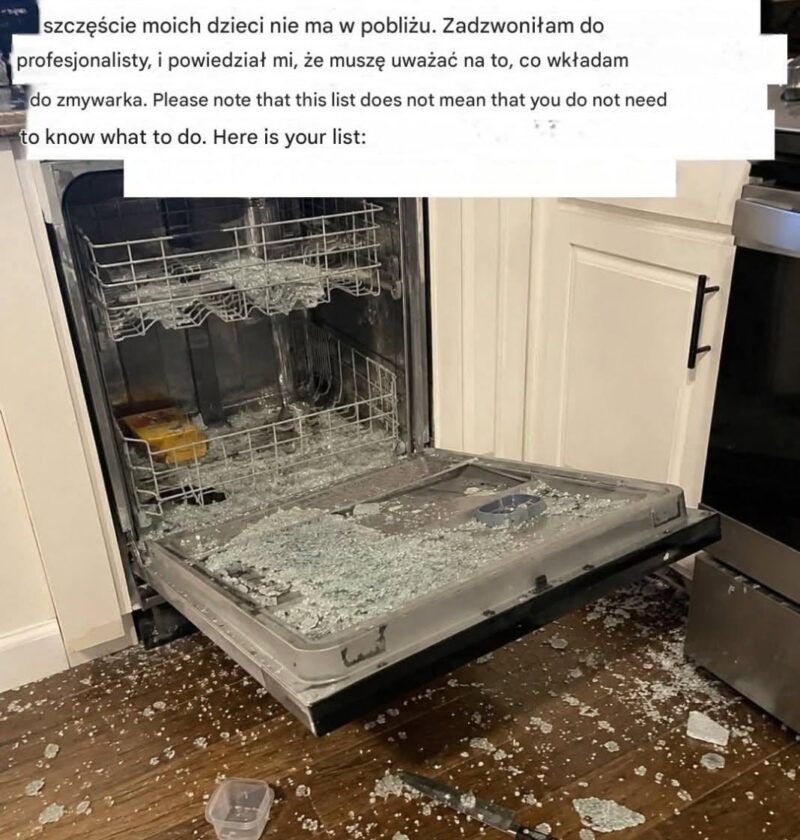
5. Crystal Glassware and Delicate Glass Items
Examples:
- Crystal wine glasses
- Antique glassware
- Decorative glass pieces
Why you should avoid the dishwasher
Fine glass can be damaged by:
- High temperatures
- Strong detergents
- Movement during the wash cycle
Possible problems include:
- Cloudy appearance
- Scratches
- Cracks
- Breakage
Crystal contains minerals that make it more delicate than ordinary glass.
Better way to clean them
- Use lukewarm water.
- Wash gently by hand.
- Dry with a soft cloth.
- Avoid sudden temperature changes.
6. Copper Cookware
Examples:
- Copper pots
- Copper pans
- Decorative copper items
Why you should avoid the dishwasher
Dishwasher detergents can cause copper to lose its shine and develop discoloration.
Possible damage:
- Tarnishing
- Dark spots
- Dull appearance
- Surface damage
Copper cookware is often valued for both performance and appearance, so protecting the finish matters.
Better way to clean it
Use:
- Warm water
- Mild soap
- Soft cloth
For polishing, many people use specialized copper cleaners or gentle homemade methods recommended for cookware care.
7. Items With Gold, Silver, or Decorative Finishes
Examples:
- Gold-rimmed plates
- Fine china
- Decorative dishes
- Vintage tableware
Why you should avoid the dishwasher
Heat and detergent can damage delicate decorative layers.
Over time, the dishwasher may cause:
- Gold or silver details to fade
- Designs to wear away
- Colors to become dull
Older or handmade pieces are especially vulnerable.
Better way to clean them
- Hand wash gently.
- Use mild soap.
- Avoid abrasive sponges.
- Dry carefully.
8. Insulated Travel Mugs and Vacuum-Sealed Containers
Examples:
- Stainless steel travel mugs
- Thermos-style bottles
- Insulated food containers
Why you should avoid the dishwasher
Many insulated containers are made with a sealed vacuum layer between walls. Excessive dishwasher heat may damage seals or finishes.
Potential problems:
- Reduced insulation ability
- Water getting trapped between layers
- Damaged exterior coating
- Broken vacuum seal
Some manufacturers design dishwasher-safe versions, but many recommend hand washing.
Better way to clean them
- Wash with warm soapy water.
- Use a bottle brush.
- Allow them to dry completely with the lid removed.
Bonus: Other Items You Should Usually Keep Out of the Dishwasher
Garlic Presses
Small food particles can get trapped in tiny holes, making them difficult to clean properly.
Graters
Sharp edges can be damaged, and food residue may remain trapped.
Aluminum Cookware
Some aluminum items may discolor or become dull due to dishwasher detergents.
Non-Dishwasher-Safe Plastics
Heat can cause some plastics to:
- Warp
- Melt
- Release odors
Always check for a dishwasher-safe symbol.
Why Dishwashers Are So Harsh
A dishwasher is not simply a stronger version of hand washing. It combines:
- Temperatures often much higher than hand-washing water
- Strong alkaline detergents
- Mechanical spraying pressure
- Extended exposure to moisture
- Heated drying
These conditions are excellent for plates and everyday cookware but too aggressive for delicate materials.
How to Know If Something Is Dishwasher Safe
Look for:
- A dishwasher-safe symbol on the item
- Manufacturer instructions
- A label saying “top rack only” or “dishwasher safe”
When uncertain, hand washing is usually the safer option.
Final Thoughts
The dishwasher is a powerful cleaning tool, but it is not suitable for everything in your kitchen. Items made from wood, cast iron, delicate glass, copper, fine finishes, and certain coatings often last much longer when washed by hand.
A few extra minutes of careful cleaning can protect expensive cookware, preserve family heirlooms, and keep your favorite kitchen tools working properly for years.