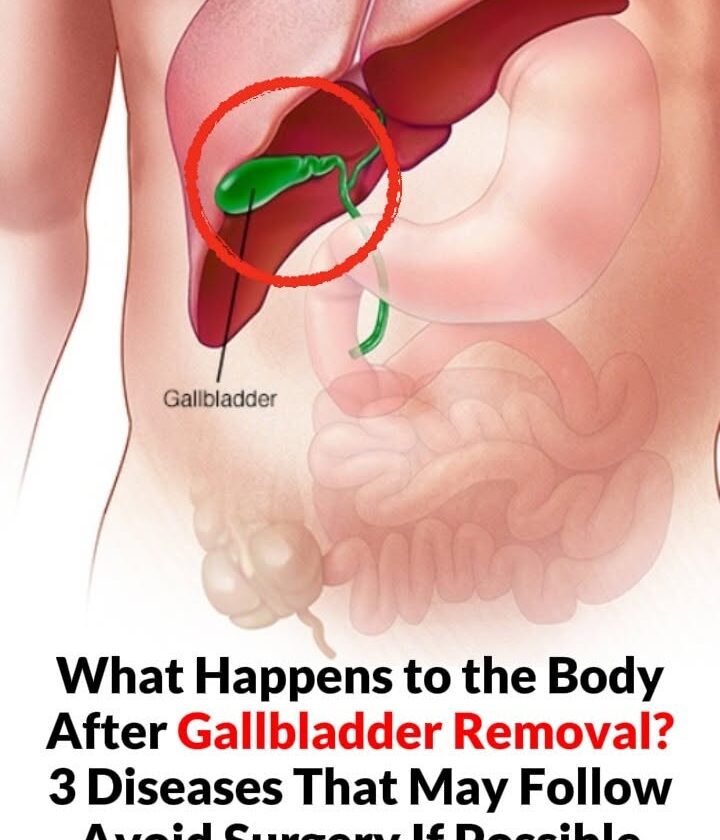
What Happens to the Body After Gallbladder Removal? 🩺
The Truth About Life Without a Gallbladder & Possible Health Issues
The gallbladder is a small organ that stores bile, a digestive fluid made by the liver. When you eat fatty foods, the gallbladder releases bile into the small intestine to help digest fats.
A gallbladder removal surgery (Cholecystectomy) is commonly done for problems such as gallstones, repeated inflammation, or blocked bile ducts. Many people live completely normal lives after surgery.
What Changes After Removal?
After the gallbladder is removed:
- The liver still makes bile
- Bile flows directly into the intestine instead of being stored
- The body can still digest food
However, because bile is no longer stored and released in larger amounts when needed, some people notice digestive changes.
3 Possible Issues Some People Experience After Gallbladder Removal
1. Diarrhea or Changes in Bowel Habits 🚽
Some people may have:
- Loose stools
- More frequent bowel movements
- Urgency after eating
Why it can happen:
Bile continuously enters the intestine and may irritate the bowel in some people.
Helpful tips:
✅ Reduce very fatty meals
✅ Eat smaller meals
✅ Increase fiber slowly
2. Trouble Digesting Fatty Foods 🍟
Some people notice discomfort after:
- Fried foods
- Heavy cream
- Large fatty meals
Possible symptoms:
- Bloating
- Gas
- Indigestion
Helpful tips:
- Choose healthier fats (olive oil, nuts, fish)
- Avoid very large high-fat meals
3. Bile Reflux or Digestive Irritation
In some people, bile can move back toward the stomach and cause symptoms like:
- Upper abdominal discomfort
- Nausea
- Burning sensations
A doctor can evaluate persistent symptoms.
Does Gallbladder Removal Cause New Diseases?
Claims that gallbladder removal automatically causes serious diseases are not accurate. Some people may have digestive changes afterward, but the surgery is often recommended because the gallbladder problem itself can cause complications, such as:
- Severe inflammation
- Infection
- Blocked bile ducts
- Pancreatitis
Can Surgery Be Avoided?
It depends on the situation.
Some gallstones cause no symptoms and may only need monitoring. But if there are repeated attacks, infection, or complications, doctors may recommend removal.
Healthy habits that may support gallbladder health:
✅ Maintain a healthy weight
✅ Avoid rapid crash diets
✅ Eat a balanced diet with fiber
✅ Stay physically active
After Gallbladder Surgery: When to Seek Medical Advice
Contact a healthcare professional if you have:
- Severe abdominal pain
- Fever
- Yellowing of eyes/skin
- Persistent vomiting
- Ongoing diarrhea or weight loss
Bottom line: Many people do well without a gallbladder. The decision for surgery depends on the person’s condition, symptoms, and risks—not on a general rule to always avoid surgery.