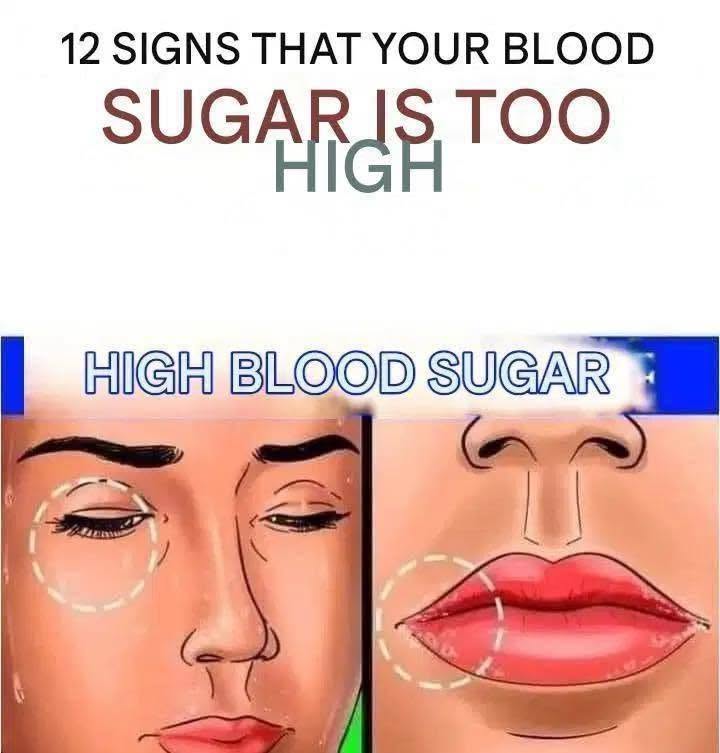
The High-Sugar Alert: Recognizing the 12 Key Symptoms Your Body May Be Showing You
High blood sugar, also known as hyperglycemia, occurs when there is too much glucose in the bloodstream. It can happen occasionally after a large meal, but persistently high blood sugar may be a sign of prediabetes, diabetes, or another medical condition. Because symptoms often develop gradually, many people don’t realize their blood sugar levels are elevated until complications begin to appear.
Understanding the warning signs can help you seek medical advice early and take steps to protect your health. Here are 12 common symptoms associated with high blood sugar.
1. Frequent Urination (Polyuria)
One of the earliest signs of high blood sugar is the need to urinate more often than usual. When blood glucose rises above normal levels, the kidneys work harder to filter and remove the excess sugar. This process draws additional water into the urine, resulting in increased urination.
You may notice:
- Waking up several times during the night to urinate.
- Passing unusually large amounts of urine.
- Feeling like your bladder is never completely empty.
2. Excessive Thirst (Polydipsia)
As your body loses more water through frequent urination, dehydration develops. Your brain responds by triggering intense thirst to replace the lost fluids.
People often experience:
- A constantly dry mouth.
- Drinking far more water than usual.
- Feeling thirsty even after finishing a large drink.
3. Increased Hunger (Polyphagia)
Although glucose is present in the bloodstream, it cannot efficiently enter the body’s cells when insulin is lacking or not working properly. As a result, your cells signal that they need more energy, causing persistent hunger.
Common signs include:
- Feeling hungry shortly after eating.
- Frequent cravings.
- Eating larger meals without feeling satisfied.
4. Constant Fatigue
When your cells cannot effectively use glucose for energy, your body struggles to function efficiently. This often results in persistent tiredness, weakness, and reduced stamina.
You may notice:
- Feeling exhausted after simple activities.
- Difficulty completing daily tasks.
- Low energy despite adequate sleep.
5. Blurred Vision
High blood sugar can cause temporary swelling of the eye’s lens by altering fluid balance. This changes how light is focused, leading to blurry vision.
Symptoms may include:
- Difficulty reading.
- Trouble focusing on distant objects.
- Vision that improves after blood sugar returns to a healthier range.
Persistent high blood sugar can also increase the risk of diabetic eye disease over time.
6. Slow-Healing Cuts and Wounds
Elevated blood sugar can damage blood vessels and reduce circulation, making it harder for oxygen and nutrients to reach injured tissues. It may also impair immune function.
Watch for:
- Cuts taking weeks instead of days to heal.
- Wounds that reopen easily.
- Increased risk of infection.
7. Frequent Infections
High blood sugar creates an environment that allows bacteria and fungi to grow more easily while reducing the body’s ability to fight infections.
Common infections include:
- Urinary tract infections (UTIs).
- Skin infections.
- Gum infections.
- Yeast infections.
Repeated infections should be discussed with a healthcare professional.
8. Dry Mouth
Because your body loses large amounts of water, saliva production may decrease.
Signs include:
- Sticky or dry feeling in the mouth.
- Bad breath.
- Difficulty swallowing dry foods.
Dry mouth can also increase the risk of cavities and gum disease.
9. Unexplained Weight Loss
When the body cannot use glucose efficiently, it begins breaking down stored fat and muscle for energy. This may lead to noticeable weight loss despite normal or increased food intake.
This symptom is particularly common in untreated type 1 diabetes but can also occur in type 2 diabetes.
10. Tingling or Numbness in the Hands and Feet
Long-term high blood sugar can damage nerves, a condition known as diabetic neuropathy.
Symptoms include:
- Tingling sensations.
- Burning pain.
- Numbness.
- Increased sensitivity to touch.
Early treatment may help slow the progression of nerve damage.
11. Dry, Itchy Skin
Poor circulation and dehydration caused by elevated blood sugar can affect skin health.
People may notice:
- Persistent itching.
- Dry patches.
- Cracked skin.
- Increased susceptibility to skin infections.
Proper hydration and blood sugar management often improve these symptoms.
12. Difficulty Concentrating
The brain depends on a steady supply of glucose to function properly. Blood sugar that is too high can affect mental performance.
Possible symptoms include:
- Brain fog.
- Poor concentration.
- Forgetfulness.
- Slower thinking.
- Reduced productivity.
When Should You See a Doctor?
While these symptoms can have many different causes, experiencing several of them together may indicate high blood sugar. Seek medical evaluation if you notice persistent symptoms, especially frequent urination, excessive thirst, unexplained weight loss, or blurred vision.
Contact a healthcare professional promptly if your symptoms are severe or worsening. Blood tests such as fasting blood glucose or HbA1c can help determine whether high blood sugar or diabetes is the cause.
Reducing Your Risk
Healthy lifestyle habits can help lower the risk of developing persistently high blood sugar:
- Eat a balanced diet rich in vegetables, whole grains, lean proteins, and healthy fats.
- Limit sugary drinks and highly processed foods.
- Stay physically active with regular exercise.
- Maintain a healthy weight.
- Get enough sleep.
- Manage stress effectively.
- Follow your healthcare provider’s recommendations if you have diabetes or prediabetes.
Final Thoughts
High blood sugar often develops silently, but your body usually provides warning signs before serious complications occur. Recognizing these symptoms early and seeking medical advice can lead to timely diagnosis and treatment. If you experience multiple symptoms listed above, don’t ignore them—consult a qualified healthcare professional for proper evaluation and testing. Early action is one of the best ways to protect your long-term health.