Simple Bay Leaf Trick Can Help Keep Insects Out of Your Home
Bay leaves are a popular natural remedy that many people use to help discourage certain household insects. While scientific evidence is limited and bay leaves are generally less effective than professional pest control methods for serious infestations, they can be a useful, inexpensive, and chemical-free option as part of an overall pest prevention strategy.
Why Bay Leaves May Repel Insects
Bay leaves come from the Bay Laurel tree and contain naturally occurring aromatic compounds, including:
- Eucalyptol (also called cineole)
- Linalool
- Eugenol
- Pinene
These compounds produce the strong fragrance that humans often enjoy in cooking, but some insects appear to dislike the scent.
The aroma may interfere with insects’ ability to locate food, communicate, or navigate, making the area less attractive to them.
However, it’s important to understand that bay leaves generally repel insects rather than kill them.
Which Insects Can Bay Leaves Help Deter?
Bay leaves may help discourage several common household pests.
1. Pantry Weevils
Bay leaves have long been placed inside containers of:
- Rice
- Flour
- Oats
- Pasta
- Beans
- Lentils
The scent may help reduce the likelihood of pantry weevils invading stored dry foods.
How to Use
Place:
- 1–2 whole dried bay leaves inside large containers.
- Replace every 2–3 months.
Do not crush the leaves if they will touch food directly.
2. Cockroaches
Many people place bay leaves:
- Behind refrigerators
- Under sinks
- Inside cabinets
- Near garbage bins
- Around plumbing openings
The smell may encourage cockroaches to avoid those areas.
Best Method
- Crush a few dried bay leaves.
- Place them in small bowls or sachets.
- Replace once the aroma fades.
Keep in mind that bay leaves alone will not eliminate a cockroach infestation.
3. Ants
Ants rely heavily on scent trails.
The strong aroma from bay leaves may interfere with these trails.
Try placing leaves:
- Along windowsills
- Near doorways
- Under kitchen appliances
- Close to ant entry points
4. Moths
Clothes moths and pantry moths dislike strong herbal scents.
Bay leaves can be placed:
- Inside closets
- Storage boxes
- Drawers
- Linen cabinets
Many people combine bay leaves with:
- Lavender
- Cedar
- Rosemary
for additional fragrance.
5. Silverfish
Silverfish prefer:
- Dark
- Damp
- Quiet spaces
Place bay leaves:
- Under sinks
- Behind toilets
- Inside cupboards
- Near bookshelves
6. Spiders
Although spiders are not insects, some homeowners report seeing fewer spiders after placing bay leaves in corners, near windows, and in storage areas. Scientific evidence for this effect is limited.
How to Use Bay Leaves Around Your Home
Kitchen Cabinets
Place whole bay leaves:
- Behind canned foods
- In pantry corners
- Near cereal boxes
- Beside flour containers
Replace every few months.
Pantry
Use one or two leaves inside containers storing:
- Rice
- Flour
- Beans
- Pasta
- Lentils
- Dry pet food
Closets
Put bay leaves into small breathable cloth bags.
Hang them:
- Between clothes
- On shelves
- In storage bins
Under Furniture
Place bay leaves:
- Behind sofas
- Under beds
- Behind cabinets
These hidden areas are where insects often travel.
Near Doors and Windows
Scatter several leaves:
- Along windowsills
- Near sliding doors
- Around entryways
Trash Area
Keep several crushed leaves:
- Under the garbage can
- Near recycling bins
- Around compost containers
Fresh vs. Dried Bay Leaves
Fresh Bay Leaves
Advantages:
- Stronger aroma initially
- More essential oils
Disadvantages:
- Can develop mold
- Shorter lifespan
- Need frequent replacement
Dried Bay Leaves
Advantages:
- Last much longer
- Easier to store
- Less likely to mold
- Ideal for household use
Most people use dried bay leaves for pest deterrence.
How Often Should You Replace Them?
Replace bay leaves when:
- Their scent fades
- They become brittle
- They collect dust
- They get damp
A general guideline is every 2–3 months, or sooner in humid conditions.
Making Bay Leaf Sachets
You’ll need:
- Dried bay leaves
- Small cotton or muslin bags
- String or ribbon
Steps:
- Fill each bag with several dried bay leaves.
- Tie the bag securely.
- Place it in drawers, closets, pantries, or cabinets.
- Replace the leaves every few months.
This method helps contain leaf fragments while allowing the aroma to disperse.
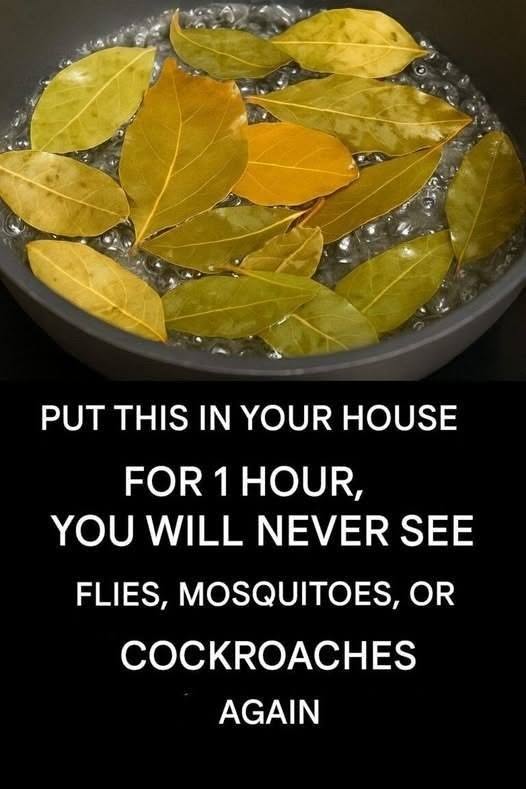
Bay Leaf Spray
You can also make a simple bay leaf spray.
Ingredients
- 10–15 dried bay leaves
- 2 cups water
Instructions
- Boil the water.
- Add the bay leaves.
- Simmer for 10–15 minutes.
- Let the mixture cool.
- Strain it into a spray bottle.
Spray lightly around:
- Door frames
- Window sills
- Pantry shelves
- Baseboards
Avoid spraying directly on food or delicate fabrics, and test on an inconspicuous area first if using on finished surfaces.
Additional Natural Repellents That Pair Well with Bay Leaves
Many people combine bay leaves with other natural deterrents, such as:
- Peppermint
- Lavender
- Rosemary
- Cedar
- Lemongrass
- Clove
Using a variety of scents may broaden the range of pests you discourage, though evidence varies by species.
Advantages of Using Bay Leaves
- Affordable and widely available.
- Chemical-free and easy to use.
- Safe around food when used appropriately (whole leaves should be removed before cooking if accidentally mixed in).
- Pleasant herbal aroma for many people.
- Simple to replace and maintain.
Limitations
Bay leaves are not a complete pest-control solution. They:
- Do not kill insects.
- Cannot eliminate nests or colonies.
- May be ineffective against large infestations.
- Need regular replacement as their scent weakens.
- Work best as a preventive measure rather than a cure.
If you have a significant infestation of cockroaches, termites, bed bugs, or other persistent pests, it’s usually necessary to identify the source, improve sanitation, seal entry points, and, if needed, use appropriate pest control methods.
Tips for Better Results
For the best chance of success:
- Keep food in airtight containers.
- Clean up crumbs and spills promptly.
- Empty trash regularly.
- Fix water leaks to reduce moisture.
- Seal cracks around doors, windows, and pipes.
- Vacuum frequently, especially under furniture and appliances.
- Replace bay leaves every few months to maintain their aroma.
Final Thoughts
Using bay leaves is a simple, low-cost, and natural way to help discourage certain household pests such as pantry weevils, ants, cockroaches, moths, and possibly silverfish. While they are unlikely to solve a serious infestation on their own, they can be a helpful addition to good household hygiene and preventive pest management. Regular cleaning, proper food storage, and sealing potential entry points remain the most effective long-term strategies for keeping insects out of your home.