Swollen Hands and Feet: Common Causes and Hidden Dangers
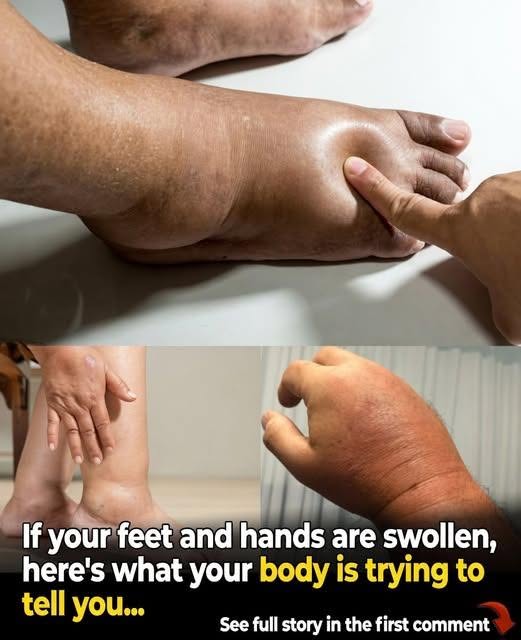
Swelling in the hands and feet, also known as peripheral edema, occurs when excess fluid builds up in the body’s tissues. It can affect one or both hands, one or both feet, or even the ankles and lower legs. While mild swelling is often temporary and harmless, persistent or severe swelling may be a sign of an underlying medical condition that requires attention.
Understanding the possible causes, warning signs, and treatment options can help you know when swelling is something you can manage at home and when it’s time to see a healthcare provider.
What Causes Swollen Hands and Feet?
Swelling develops when fluid leaks from small blood vessels into nearby tissues. This can happen for many reasons, including changes in circulation, injury, inflammation, or problems with the heart, kidneys, or liver.
Common Causes of Swelling
1. Standing or Sitting for Long Periods
Remaining in one position for hours can cause fluid to collect in the hands, feet, and ankles.
Symptoms
- Mild swelling
- Tight shoes or rings
- Swelling that improves after walking or elevating your limbs
Prevention
- Take short walking breaks every hour.
- Stretch your legs and hands regularly.
- Elevate your feet when resting.
2. Hot Weather
High temperatures cause blood vessels to widen, making it easier for fluid to move into surrounding tissues.
Symptoms
- Puffy feet and hands
- Swelling that worsens during hot days
- Improvement after cooling down
Drink plenty of water and avoid prolonged exposure to excessive heat.
3. High Salt Intake
Eating too much sodium causes the body to retain water.
Common high-sodium foods include:
- Processed meats
- Canned soups
- Fast food
- Salty snacks
- Frozen meals
Reducing sodium intake and drinking enough water can often help decrease mild swelling.
4. Pregnancy
Mild swelling is common during pregnancy, especially in the feet and ankles.
However, sudden swelling of the hands, face, or feet, especially when accompanied by high blood pressure, headaches, or vision changes, may be a sign of preeclampsia, a serious pregnancy complication that requires immediate medical evaluation.
5. Injury
Sprains, fractures, and bruises can cause swelling due to inflammation.
Symptoms
- Pain
- Bruising
- Redness
- Difficulty moving the affected area
Rest, ice, compression, and elevation (RICE) are often recommended for minor injuries, but severe injuries should be evaluated by a healthcare professional.
6. Certain Medications
Some medicines can cause swelling as a side effect.
Examples include:
- Blood pressure medications such as amlodipine
- Steroids
- Certain diabetes medications
- Hormonal medications (including estrogen)
- Some anti-inflammatory drugs
Never stop taking a prescribed medication without consulting your healthcare provider.
Medical Conditions That Can Cause Swelling
1. Heart Failure
When the heart cannot pump blood effectively, fluid may build up in the legs, feet, and sometimes the hands.
Symptoms
- Swollen feet and ankles
- Shortness of breath
- Fatigue
- Rapid weight gain
- Swelling that worsens during the day
This condition requires medical treatment.
2. Kidney Disease
Healthy kidneys remove excess fluid from the body. When they are not functioning properly, fluid can accumulate.
Symptoms
- Puffy hands
- Swollen feet
- Swelling around the eyes
- Fatigue
- Changes in urination
Persistent swelling should be evaluated by a healthcare provider.
3. Liver Disease
Liver disease can reduce the production of proteins that help keep fluid inside blood vessels.
Symptoms
- Swollen legs
- Abdominal swelling
- Yellowing of the skin or eyes
- Easy bruising
- Fatigue
4. Lymphedema
Lymphedema occurs when the lymphatic system cannot drain fluid properly.
Symptoms
- Persistent swelling
- Feeling of heaviness
- Tight skin
- Reduced flexibility
It often affects one arm or one leg but can involve both.
5. Arthritis
Inflammatory joint conditions can cause swelling in the hands and feet.
Common symptoms include:
- Joint pain
- Morning stiffness
- Warmth around joints
- Reduced movement
6. Deep Vein Thrombosis (DVT)
A blood clot in a deep vein can block normal blood flow.
Symptoms
- Swelling in one leg
- Pain or tenderness
- Warm skin
- Redness
A DVT can become life-threatening if the clot travels to the lungs, so prompt medical attention is essential.
Hidden Dangers You Should Not Ignore
While many cases of swelling are harmless, some symptoms may indicate a serious condition.
Seek immediate medical care if swelling is accompanied by:
- Chest pain
- Difficulty breathing
- Fainting
- Sudden swelling of one leg
- Severe pain
- Blue or pale skin
- Fever with redness and warmth
- Swelling after a major injury
These symptoms may indicate a blood clot, severe infection, heart problem, or other medical emergency.
Home Remedies for Mild Swelling
If swelling is mild and not related to a serious condition, these measures may help:
Elevate Your Limbs
Raise your feet or hands above heart level for 20–30 minutes several times a day.
Stay Active
Walking and gentle exercises improve circulation and help move excess fluid back toward the heart.
Reduce Salt Intake
Choose fresh fruits, vegetables, lean proteins, and whole grains instead of heavily processed foods.
Drink Enough Water
Proper hydration helps your body maintain a healthy fluid balance.
Wear Compression Stockings
Compression stockings may help reduce leg swelling by improving blood flow. They should be used according to a healthcare provider’s advice, especially if you have certain circulation problems.
Maintain a Healthy Weight
Excess body weight places additional strain on the circulatory system and may contribute to swelling.
How Is Swelling Diagnosed?
A healthcare provider may ask about:
- When the swelling began
- Whether it affects one or both sides
- Medications you take
- Recent injuries
- Other symptoms
Depending on the suspected cause, tests may include:
- Blood tests
- Urine tests
- Ultrasound
- X-rays
- Heart tests such as an electrocardiogram (ECG) or echocardiogram
- Kidney or liver function tests
Treatment
Treatment depends on the underlying cause.
Examples include:
- Lifestyle changes for mild fluid retention
- Adjusting medications if a side effect is suspected
- Compression therapy for certain circulation or lymphatic problems
- Medications such as diuretics for specific conditions (only when prescribed)
- Treatment of heart, kidney, liver, or joint diseases
Prevention Tips
You can reduce your risk of swelling by:
- Staying physically active
- Avoiding long periods of sitting or standing
- Limiting salt intake
- Drinking enough water
- Maintaining a healthy weight
- Wearing comfortable, supportive shoes
- Managing chronic conditions such as high blood pressure and diabetes
Frequently Asked Questions
Is swelling always a sign of a serious illness?
No. Swelling is often caused by temporary factors such as hot weather, standing for long periods, or eating too much salt. However, persistent, severe, or unexplained swelling should be evaluated by a healthcare provider.
Why are my hands swollen in the morning?
Morning hand swelling may result from sleeping position, excess salt intake, fluid retention, or certain medical conditions such as arthritis or kidney disease. If it happens frequently or is accompanied by pain or stiffness, seek medical advice.
Can dehydration cause swelling?
Yes. Although it may seem surprising, dehydration can cause the body to retain fluid, which may contribute to swelling in some people.
When should I see a doctor?
Arrange a medical evaluation if swelling:
- Lasts more than a few days without improvement
- Keeps returning
- Is painful or worsening
- Is associated with redness or warmth
- Occurs with shortness of breath, chest pain, fever, or sudden weight gain
Key Takeaway
Swollen hands and feet are common and are often caused by temporary factors such as prolonged sitting, hot weather, pregnancy, or a high-salt diet. However, persistent or severe swelling can also be a sign of conditions affecting the heart, kidneys, liver, veins, or lymphatic system. Paying attention to associated symptoms—such as pain, redness, shortness of breath, or swelling in only one limb—can help identify when prompt medical evaluation is needed. Early diagnosis and treatment of the underlying cause are the best ways to prevent complications and protect your overall health.