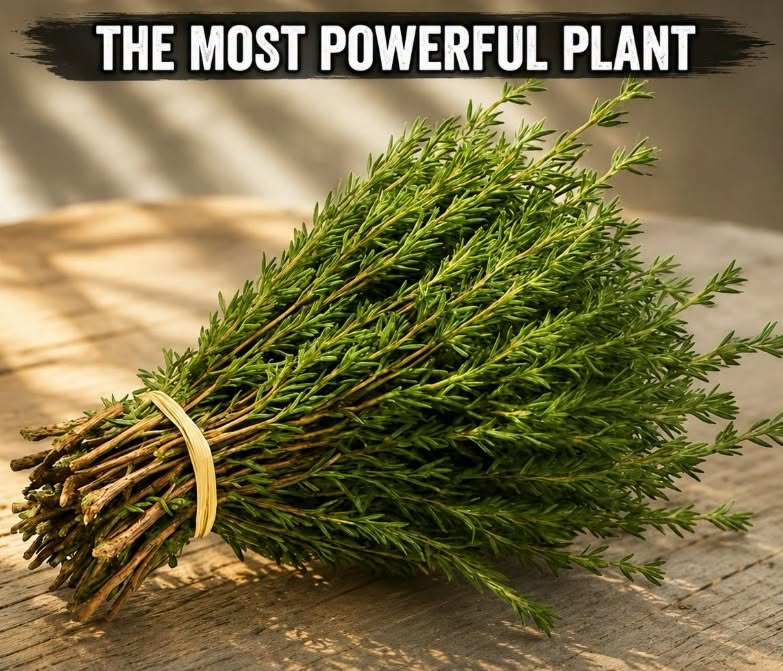
🌿 The Quiet Power of This Herb: More Than Just a Kitchen Staple
Many herbs sitting quietly in your kitchen are far more powerful than they look. One of the best examples is parsley (and sometimes this phrase is also used for herbs like basil, mint, or cilantro depending on the article). What seems like a simple garnish is actually packed with nutrients, plant compounds, and traditional health uses that have been valued for centuries.
Let’s explore why this humble herb is considered “quietly powerful.”
🌱 What Makes Parsley So Special?
Parsley is a leafy green herb commonly used in cooking for flavor and decoration. But nutritionally, it is surprisingly dense.
It contains:
- Vitamin K (very high amount)
- Vitamin C
- Vitamin A (beta-carotene)
- Folate
- Iron
- Potassium
- Antioxidants and flavonoids
👉 In simple terms: it’s small, but nutrient-rich.
💪 Potential Health Benefits
🦴 1. Supports bone health
Parsley is extremely rich in vitamin K, which helps:
- Strengthen bones
- Support calcium regulation
- Improve bone density over time
🛡️ 2. Rich in antioxidants
Contains compounds like:
- Flavonoids
- Luteolin
- Apigenin
These help protect cells from oxidative stress (damage caused by free radicals).
❤️ 3. May support heart health
Some studies suggest parsley may help:
- Reduce inflammation
- Support healthy blood vessels
- Assist in maintaining healthy blood pressure levels
💧 4. Natural diuretic properties
Parsley has traditionally been used to:
- Support kidney function
- Help reduce water retention
- Promote urine flow
⚠️ Note: This is a traditional use, not a medical treatment.
🌬️ 5. Freshens breath naturally
Parsley contains chlorophyll, which can:
- Neutralize odors
- Freshen breath after meals (especially garlic-heavy foods)
🧠 6. May support immunity
Thanks to vitamin C and antioxidants, parsley may help:
- Strengthen immune response
- Reduce inflammation in the body
🍽️ Easy ways to use parsley daily
You don’t need much—just small amounts regularly:
- Sprinkle over soups and stews
- Add to salads
- Mix into rice or couscous
- Blend into smoothies (small amounts)
- Make parsley tea (traditional use)
- Use in chutneys or sauces
⚠️ Things to keep in mind
Parsley is safe as a food herb, but:
- Very large medicinal amounts may not be suitable for everyone
- People on blood-thinning medication should be mindful due to vitamin K content
- Pregnant individuals should avoid excessive concentrated forms (like extracts) unless advised
🧠 Why it’s called “quiet power”
Parsley doesn’t have the fame of “superfoods” like blueberries or kale, but it:
- Is easy to grow
- Is cheap and widely available
- Adds nutrients without calories
- Works subtly in everyday meals
That’s why it’s often described as a “quietly powerful” herb.
🧡 Final thought
Parsley is a reminder that powerful nutrition doesn’t always come in exotic packages. Sometimes it’s already sitting in your kitchen, quietly improving your meals one sprinkle at a time.
If you want, I can also expand:
- “The most powerful healing herbs in your kitchen”
- or “How to use herbs like medicine safely”
- or a full guide on basil, mint, coriander, or rosemary benefits