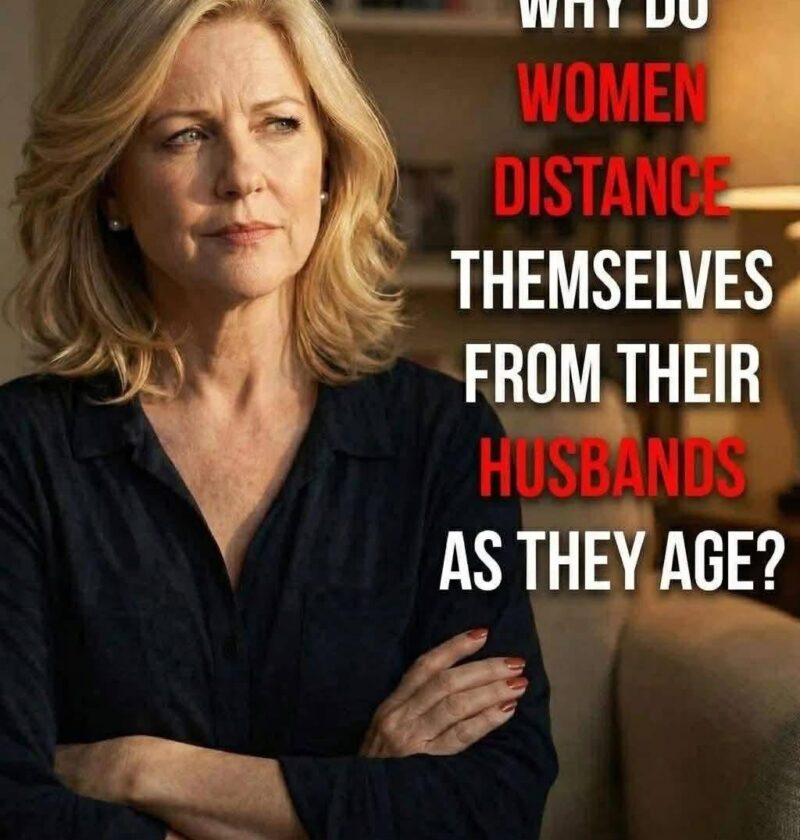
This is a sensitive topic, and the first thing to be clear about is: there is no single reason women “distance themselves” from their husbands as they age. When it happens, it is usually the result of long-term emotional, physical, and psychological factors building up over years, not something that suddenly appears in old age.
Also, it’s not universal—many couples actually become closer with age. But when emotional distance does develop, research and relationship studies suggest several common underlying reasons.
1. Long-Term Emotional Neglect
One of the most common reasons is emotional disconnection that builds slowly over time.
What this looks like:
- Feeling unheard in conversations
- Lack of emotional support during stress
- Conversations becoming purely functional (bills, chores, children)
- Feeling like a “co-parent or housemate” rather than a partner
Over time:
If emotional needs are not met, many people—women and men—gradually stop seeking closeness because it feels unrewarding.
2. Accumulated Unresolved Conflicts
Small unresolved issues can build up over decades.
Examples:
- Repeated arguments with no resolution
- Feeling blamed or criticized
- Lack of apology or repair after conflict
- “Silent resentment”
Result:
Instead of continuing to fight, some people emotionally “withdraw” to protect themselves.
3. Change in Identity With Age
As women age, especially after:
- Children become independent
- Retirement approaches
- Health changes occur
They often re-evaluate:
- “Who am I outside this relationship?”
- “What do I want from life now?”
If the marriage does not evolve with them, they may feel emotionally disconnected.
4. Lack of Emotional Intimacy (Not Just Physical Intimacy)
A common misconception is that distance is only about physical relationships.
But emotional intimacy matters more over time.
Emotional intimacy includes:
- Feeling valued
- Feeling understood
- Feeling emotionally safe
- Being appreciated
If this fades, emotional withdrawal can happen even if the couple still lives together.
5. Unequal Distribution of Responsibilities
Many long-term relationships develop imbalance:
- Women often carry more household labor
- More emotional labor (managing family emotions, planning, caregiving)
- Sometimes financial or caregiving stress (especially with aging parents or grandchildren)
Over time:
This can lead to burnout and resentment, which may appear as distancing.
6. Communication Breakdown
As couples age, communication styles may diverge:
- One partner becomes more quiet or withdrawn
- The other becomes more controlling or critical
- Conversations become repetitive or negative
When communication becomes unsafe or unproductive, people naturally speak less and share less.
7. Health, Hormonal, and Life Changes
Aging brings major physical and emotional changes:
For women especially:
- Menopause can affect mood, sleep, and energy
- Chronic pain or fatigue may increase
- Body changes may affect self-esteem
If these changes are not understood or supported, emotional distance can increase.
8. Feeling Taken for Granted
A very common emotional trigger is:
“I do everything and it is not noticed.”
This can include:
- Household management
- Caregiving for family members
- Emotional support of others
When appreciation is missing, emotional withdrawal often follows.
9. Lack of Shared Growth
Some couples grow in different directions over time:
- Different hobbies or interests
- Different social circles
- Different values or goals in later life
If there is no shared “new phase” of connection, emotional closeness can fade.
10. Past Emotional Hurt or Betrayal
This can include:
- Infidelity (current or past)
- Broken trust
- Repeated disrespect
- Emotional abandonment during difficult times
Even if life continues normally on the surface, unresolved emotional pain can create long-term distance.
11. Empty Nest Effect
When children leave home:
- The couple suddenly spends more time together
- But without strong emotional connection, the gap becomes more visible
Some women realize:
“We don’t actually talk much anymore.”
12. Different Coping Styles With Aging
As people age:
- Some become more social
- Some become more quiet and introspective
- Some prefer solitude for peace
If partners develop different coping styles, emotional distance may appear.
Important Reality Check
It’s important not to generalize this as:
“Women naturally distance themselves as they age.”
In reality:
- Men also withdraw emotionally in many relationships
- Distance is usually relational, not gender-based
- It reflects the quality of connection over time
When Emotional Distance Becomes Serious
Warning signs include:
- Avoiding conversation completely
- Living like “roommates”
- Lack of affection or care
- Indifference during conflict
- Emotional detachment for long periods
Can It Be Reversed?
In many cases, yes—if both partners are willing.
Helpful approaches include:
- Honest, calm communication
- Rebuilding shared activities
- Showing appreciation consistently
- Addressing long-standing resentment
- Counseling or therapy if needed
Even long-term distance can improve if both people still care and want reconnection.
Key Takeaway
Women (and men) may become emotionally distant in long-term marriages not because of age itself, but due to years of unmet emotional needs, communication breakdown, unresolved conflict, life changes, and lack of appreciation or intimacy. Aging often simply makes existing relationship patterns more visible.
If you want, I can also explain:
- Signs a marriage is quietly breaking down
- Or how couples can rebuild emotional closeness after years of distance