I Didn’t Believe This Floor Trick Until I Tried It… Now I’ll Never Go Back
Introduction
Many “miracle” cleaning tricks online promise spotless floors with almost no effort. While some hacks are exaggerated, a few simple techniques really can make a noticeable difference when they are used correctly.
One popular approach is using a simple homemade floor-cleaning solution that combines warm water with gentle cleaning ingredients to remove everyday dirt, dullness, and odors. The secret is not a magical ingredient — it is usually the combination of the right amount of cleaner, proper technique, and avoiding residue buildup.
The Simple Floor-Cleaning Trick
Ingredients
- 1 gallon (about 4 liters) warm water
- 1–2 tablespoons mild dish soap or floor cleaner suitable for your flooring
- ½ cup white vinegar (optional, for some non-stone floors)
- Microfiber mop
How to Prepare It
Step 1: Remove Loose Dirt First
Before mopping:
- Sweep or vacuum the floor.
- Pay attention to corners and areas near furniture.
- Remove dust and crumbs that can turn into muddy residue.
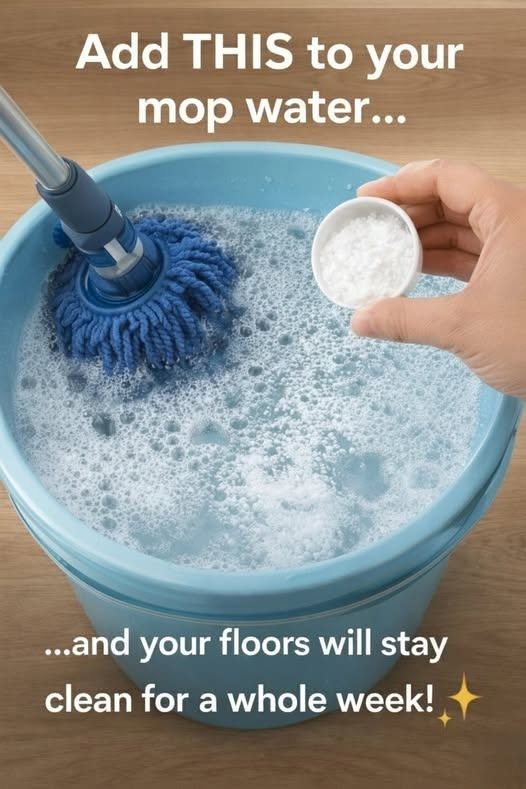
Step 2: Mix the Cleaning Solution
- Add warm water to a bucket.
- Add a small amount of cleaner.
- Mix gently.
Avoid adding too much soap. Excess cleaner often leaves a sticky film that attracts more dirt.
Step 3: Mop Correctly
For better results:
- Dip the microfiber mop into the solution.
- Wring it out well.
- Mop in sections.
- Rinse or refresh the mop regularly.
A very wet mop can damage some flooring materials.
Why Microfiber Makes a Difference
Microfiber cloths have tiny fibers that can:
- Trap dust and dirt
- Pick up grease better than many traditional materials
- Reduce streaking
A clean microfiber mop often makes a bigger difference than adding more cleaning products.
Extra Tips for Cleaner-Looking Floors
1. Use Less Product
More cleaner does not mean cleaner floors.
Too much product can cause:
- Cloudy appearance
- Sticky residue
- Faster dirt buildup
2. Dry the Floor Properly
After cleaning:
- Open windows if possible.
- Allow good airflow.
- Avoid walking on wet floors until dry.
3. Clean High-Traffic Areas More Often
Focus on:
- Entryways
- Kitchen areas
- Hallways
- Around dining tables
These areas collect the most dirt.
Flooring-Specific Advice
Tile Floors
Usually tolerate regular mopping well.
Helpful:
- Warm water
- Mild cleaner
- Occasional grout cleaning
Avoid harsh scrubbing that can damage grout.
Hardwood Floors
Be careful:
- Avoid soaking the wood.
- Use products designed for hardwood.
- Dry quickly.
Too much water can cause swelling or damage.
Laminate Floors
Helpful:
- Use a damp (not wet) mop.
- Avoid excessive moisture.
- Use laminate-safe cleaners.
Natural Stone Floors
Materials such as marble and limestone require special care.
Avoid acidic cleaners like vinegar unless the manufacturer specifically says they are safe, because acids can damage some stone surfaces.
A Natural Fresh-Smelling Floor Spray
Ingredients
- 2 cups warm water
- 1 tablespoon rubbing alcohol (optional)
- A few drops of mild dish soap
Instructions
- Mix in a spray bottle.
- Spray lightly on suitable hard floors.
- Wipe with a microfiber mop.
Always test any new cleaner on a small hidden area first.
Common Floor-Cleaning Mistakes
❌ Using Too Much Water
Can damage wood and some laminate floors.
❌ Mixing Cleaning Chemicals
Never mix products like bleach with vinegar or other cleaners, as dangerous fumes can form.
❌ Using the Wrong Cleaner
A product that works for tile may damage stone or wood.
❌ Reusing a Dirty Mop
A dirty mop can spread grime instead of removing it.
Frequently Asked Questions
Does vinegar clean every type of floor?
No. Vinegar can be unsuitable for some surfaces, especially natural stone and certain finishes.
Why do my floors look dull after cleaning?
Common causes include:
- Product buildup
- Too much cleaner
- Dirty mop water
- Incorrect product for the flooring type
How often should floors be mopped?
It depends on household traffic. Many homes benefit from weekly mopping, with more frequent cleaning in kitchens and entryways.
Summary
The best “floor trick” is often a combination of less product, a clean microfiber mop, the correct amount of water, and the right technique. A simple cleaning routine can make floors look brighter and fresher without relying on harsh chemicals or complicated methods. Always match your cleaning method to your specific flooring material for the safest and best results.