Doctor Uncovers a Telltale Sign in Your Fingernails That May Predict Your Life Expectancy
Our fingernails can reveal surprising clues about our overall health. While social media often claims that a single nail feature can predict how long you’ll live, the truth is more balanced. No fingernail sign can accurately predict a person’s life expectancy on its own. However, certain changes in the nails can sometimes signal underlying health conditions that deserve medical attention.
Doctors often examine the nails as part of a routine physical exam because they can reflect changes in circulation, nutrition, lung health, liver function, and other aspects of well-being.
Can Your Fingernails Really Predict Your Lifespan?
The short answer is no.
There is no scientific evidence that the appearance of your fingernails can determine how long you will live. Longevity depends on many factors, including:
- Genetics
- Diet
- Physical activity
- Sleep
- Smoking status
- Blood pressure
- Cholesterol levels
- Chronic medical conditions
- Access to healthcare
However, unusual nail changes may be an early sign of health problems that, if left untreated, could affect long-term health.
1. Clubbing of the Fingernails
One of the most significant nail changes doctors look for is clubbing.
With clubbing:
- Fingertips become enlarged.
- Nails curve more than usual.
- The angle between the nail and the skin changes.
Clubbing can sometimes be associated with conditions affecting the:
- Lungs
- Heart
- Liver
- Digestive system
Because it may indicate a serious underlying illness, new clubbing should always be evaluated by a healthcare professional.
2. Pale Nails
Very pale nails may sometimes suggest:
- Iron-deficiency anemia
- Poor circulation
- Certain chronic illnesses
People may also experience:
- Fatigue
- Weakness
- Shortness of breath
- Dizziness
A healthcare provider can determine whether blood tests are needed.
3. Blue or Purple Nails
Bluish nails can indicate that the blood is not carrying enough oxygen.
Possible causes include:
- Lung disease
- Heart conditions
- Poor circulation
- Cold exposure
If blue nails appear suddenly or are accompanied by chest pain or difficulty breathing, seek medical attention immediately.
4. Yellow Nails
Yellow nails are often caused by:
- Fungal nail infections
- Aging
- Smoking
- Nail polish staining
Less commonly, persistent thick yellow nails may be associated with certain medical conditions affecting the lungs or lymphatic system.
5. Spoon-Shaped Nails
Spoon-shaped nails, known medically as koilonychia, curve upward instead of lying flat.
Possible causes include:
- Iron deficiency
- Certain inherited conditions
- Rare metabolic disorders
A medical evaluation can help identify the underlying reason.
6. Dark Lines Under the Nail
A new dark streak beneath a nail should not be ignored.
While many streaks are harmless, some can be a sign of subungual melanoma, a rare form of skin cancer.
Seek prompt medical evaluation if you notice:
- A new dark line
- A line that widens over time
- Pigment extending onto the surrounding skin
- Nail changes without a known injury
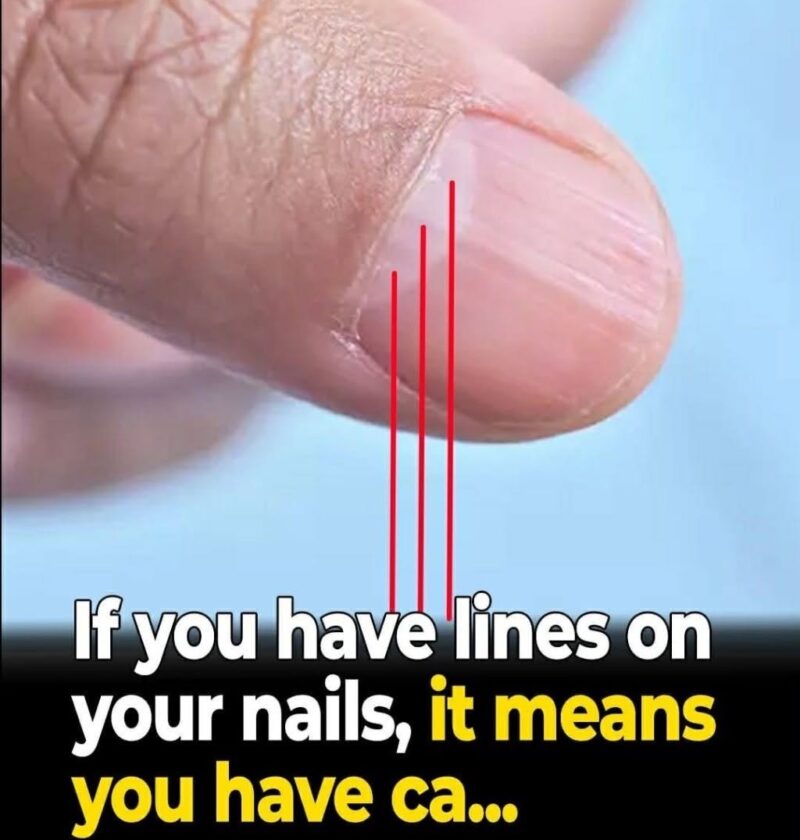
7. Brittle or Splitting Nails
Brittle nails are common with aging but may also be linked to:
- Frequent exposure to water
- Harsh cleaning products
- Nutritional deficiencies
- Thyroid disorders
Keeping nails moisturized and protecting hands during cleaning can help.
Healthy Nails Often Reflect Healthy Habits
While perfect nails do not guarantee perfect health, maintaining healthy habits supports both nail and overall health.
Eat a Balanced Diet
Include foods rich in:
- Protein
- Iron
- Zinc
- Vitamin B12
- Biotin
- Omega-3 fatty acids
Good choices include:
- Eggs
- Fish
- Lean meats
- Beans
- Nuts
- Leafy green vegetables
- Dairy products
Stay Hydrated
Drinking enough fluids helps maintain healthy skin and nails.
Protect Your Hands
Wear gloves when:
- Washing dishes
- Using cleaning products
- Gardening
This helps prevent nails from becoming dry and brittle.
Avoid Nail Biting
Nail biting can:
- Damage the nail bed
- Increase infection risk
- Alter normal nail growth
Moisturize Regularly
Applying hand cream or cuticle oil can reduce dryness and help keep nails flexible.
When Should You See a Doctor?
Arrange a medical evaluation if you notice:
- Sudden nail clubbing
- Persistent blue nails
- A new dark streak
- Nails separating from the nail bed
- Thick, painful, or infected nails
- Nail changes accompanied by fatigue, weight loss, breathing problems, or other unexplained symptoms
The Bottom Line
Your fingernails cannot predict your life expectancy, but they can provide valuable clues about your health. Changes such as clubbing, persistent discoloration, unusual shapes, or new dark streaks may signal an underlying condition that deserves medical attention.
Paying attention to nail health, maintaining a nutritious diet, staying active, and attending regular medical checkups are far more important for supporting a long and healthy life than relying on any single physical sign. Healthy nails are often one small reflection of good overall health—not a crystal ball for predicting the future.