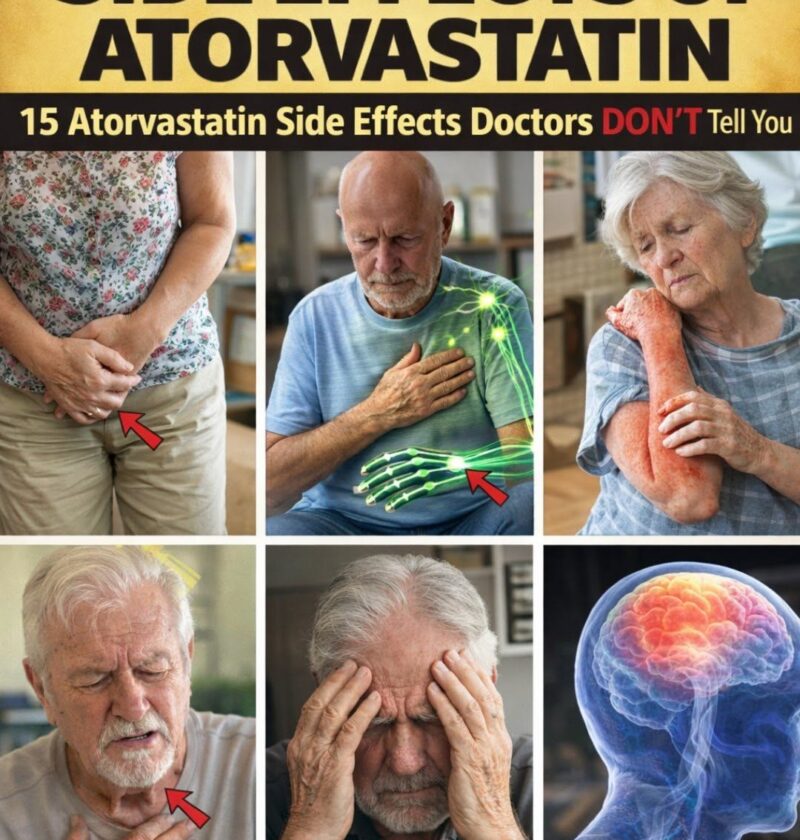
Atorvastatin is a prescription medication that belongs to a group of drugs called statins. It is one of the most commonly prescribed medicines worldwide because it helps lower cholesterol and reduce the risk of heart attacks, strokes, and other cardiovascular diseases.
The most widely known brand name is Lipitor, although generic atorvastatin is also widely available.
How atorvastatin works
Your liver produces cholesterol, which your body needs for making hormones, vitamin D, and cell membranes. However, having too much low-density lipoprotein (LDL) cholesterol, often called “bad cholesterol,” can lead to fatty deposits (plaques) building up inside your arteries. This process is known as atherosclerosis.
Atorvastatin works by blocking an enzyme in the liver called HMG-CoA reductase, which is essential for cholesterol production. As a result:
- The liver makes less cholesterol.
- LDL (“bad”) cholesterol decreases.
- Total cholesterol decreases.
- Triglycerides (a type of blood fat) usually decrease.
- High-density lipoprotein (HDL or “good” cholesterol) may increase slightly.
Lower LDL cholesterol slows the buildup of plaque in the arteries and reduces the risk of cardiovascular events.
Why is atorvastatin commonly prescribed?
Doctors prescribe atorvastatin for several reasons.
1. High cholesterol
The most common reason is to treat high LDL cholesterol (hypercholesterolemia). Lowering LDL helps reduce the risk of heart disease over time.
2. Prevention of heart attacks
People who have had a heart attack are often prescribed atorvastatin to reduce the chance of another one. Statins help stabilize plaques in the arteries, making them less likely to rupture and cause a heart attack.
3. Prevention of stroke
Atorvastatin lowers the risk of certain types of stroke caused by blocked blood vessels by reducing plaque buildup and improving blood vessel health.
4. Coronary artery disease
People with narrowing of the heart’s arteries may take atorvastatin to slow disease progression and lower the risk of complications.
5. Diabetes with cardiovascular risk
People with diabetes have a higher risk of heart disease and stroke. Even if cholesterol levels are not very high, atorvastatin may be recommended because it reduces overall cardiovascular risk.
6. High cardiovascular risk
Doctors may prescribe atorvastatin for people who have multiple risk factors, such as:
- High blood pressure.
- Smoking.
- Obesity.
- Family history of early heart disease.
- Older age.
- Chronic kidney disease.
In these individuals, lowering cholesterol can help prevent future cardiovascular events.
Benefits of atorvastatin
Large clinical studies have shown that atorvastatin can:
- Lower LDL cholesterol by about 30% to 60%, depending on the dose.
- Reduce the risk of heart attack.
- Reduce the risk of ischemic stroke.
- Lower the chance of needing procedures such as coronary artery bypass surgery or angioplasty.
- Reduce the risk of death from cardiovascular disease in appropriate patients.
How is it taken?
Atorvastatin is usually taken:
- Once daily.
- With or without food.
- At the same time each day to help establish a routine.
Unlike some older statins, atorvastatin does not have to be taken at night because it remains active in the body for a long time.
Common side effects
Most people tolerate atorvastatin well. Possible side effects include:
- Muscle aches or soreness.
- Joint pain.
- Headache.
- Mild digestive upset, such as nausea or diarrhea.
These side effects are often mild and may improve over time.
Serious but rare side effects
Although uncommon, serious side effects can occur, including:
- Severe muscle injury (which may lead to muscle breakdown).
- Liver problems.
- Allergic reactions.
Anyone who develops severe muscle pain, significant weakness, dark-colored urine, yellowing of the skin or eyes, or symptoms of an allergic reaction should seek prompt medical attention.
Who should avoid atorvastatin?
Atorvastatin may not be appropriate for everyone, including people with:
- Active liver disease.
- A history of serious allergic reactions to atorvastatin.
- Pregnancy, because statins are generally not recommended during pregnancy.
- Breastfeeding, as atorvastatin may pass into breast milk.
A healthcare professional will determine whether the medication is suitable based on the individual’s medical history.
Lifestyle is still important
Atorvastatin works best when combined with healthy habits, such as:
- Eating a diet rich in fruits, vegetables, whole grains, and lean proteins.
- Limiting saturated and trans fats.
- Exercising regularly.
- Maintaining a healthy weight.
- Not smoking.
- Controlling blood pressure and blood sugar if needed.
Medication complements these measures rather than replacing them.
Bottom line
Atorvastatin is a statin medication used to lower LDL (“bad”) cholesterol and reduce the risk of heart attack, stroke, and other cardiovascular diseases. It works by reducing the liver’s production of cholesterol and helping prevent plaque buildup in the arteries. It is commonly prescribed for people with high cholesterol, established heart disease, diabetes with elevated cardiovascular risk, or other factors that increase the likelihood of cardiovascular events. For most patients who need it, the proven benefits of atorvastatin in preventing serious cardiovascular complications outweigh the risk of side effects.