The statement “If you notice your legs are swollen, that’s a sign of ca…” is incomplete, but it’s often finished as “that’s a sign of cancer.” That claim is misleading.
Swollen legs (leg edema) can have many causes, and cancer is only one of many possible explanations. Most cases are due to other conditions.
What is leg swelling?
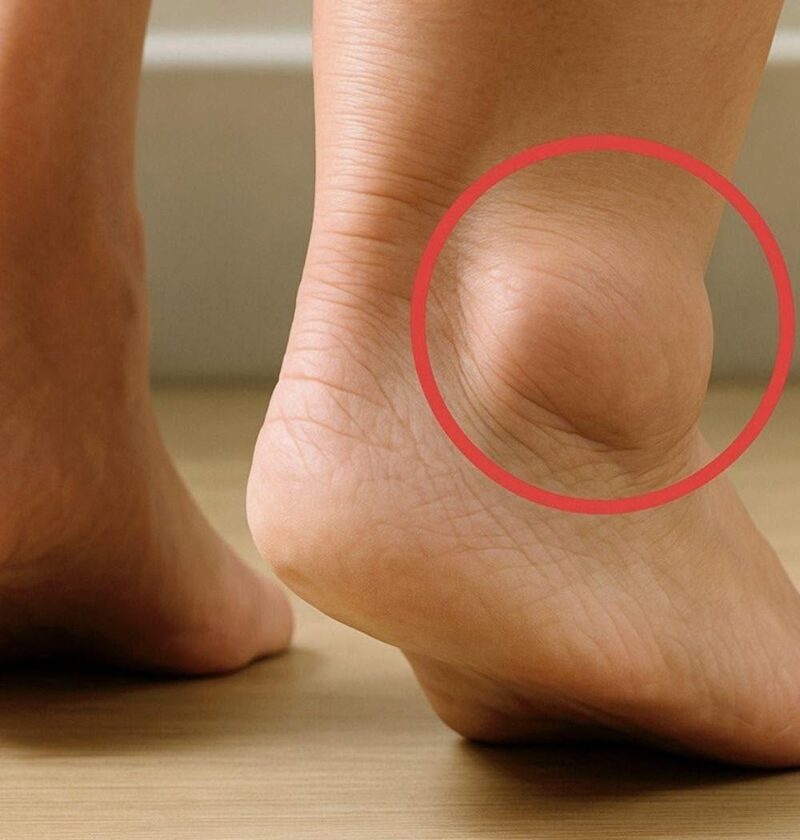
Leg swelling occurs when excess fluid builds up in the tissues of one or both legs. It may affect the feet, ankles, calves, or the entire leg.
Common symptoms include:
- Puffy or enlarged ankles, feet, or legs.
- Tight or shiny skin.
- A feeling of heaviness.
- Shoes or socks feeling tighter than usual.
- An indentation remaining after pressing the swollen area (called “pitting edema”).
Common causes of swollen legs
Some frequent causes include:
- Standing or sitting for long periods (fluid pools in the legs).
- Venous insufficiency, where leg veins don’t return blood efficiently to the heart.
- Heart failure, which can cause fluid to accumulate in the legs.
- Kidney disease, leading to fluid retention.
- Liver disease, which can reduce proteins that help keep fluid in blood vessels.
- Pregnancy, due to hormonal changes and pressure on veins.
- Certain medications, such as some blood pressure medicines, steroids, and anti-inflammatory drugs.
- Injuries like sprains or fractures.
- Infections causing redness, warmth, and swelling.
- Lymphedema, where the lymphatic system doesn’t drain fluid properly.
Can cancer cause swollen legs?
Yes, some cancers can cause leg swelling, but this is not a common or specific sign of cancer.
Cancer may lead to swelling if it:
- Blocks lymphatic vessels, causing lymphedema.
- Presses on veins, reducing blood flow from the legs.
- Causes a blood clot, which some cancers make more likely.
- Results from cancer treatments, such as surgery that removes lymph nodes or radiation therapy.
Leg swelling related to cancer is often accompanied by other symptoms, depending on the type and stage of the disease.
When should you seek medical care?
You should see a healthcare professional if:
- The swelling is new and doesn’t improve after a day or two.
- Only one leg is swollen, especially if it’s painful, warm, or red.
- The swelling keeps getting worse.
- You also have shortness of breath, chest pain, or difficulty breathing—these require immediate emergency care, as they could indicate a serious condition such as a blood clot in the lungs or heart problems.
- You have fever, severe pain, or signs of infection.
Bottom line
Swollen legs do not automatically mean cancer. They are much more commonly caused by circulation problems, prolonged standing or sitting, heart, kidney, or liver conditions, pregnancy, medications, or injury. While cancer can sometimes contribute to leg swelling, it is only one possible cause, and the symptom should be evaluated in the context of your overall health and any other symptoms. If the swelling is persistent, unexplained, or accompanied by concerning symptoms, it’s important to seek medical evaluation.