Gallbladder removal (called cholecystectomy) is one of the most commonly performed abdominal surgeries worldwide. While many people recover well and experience complete relief from gallbladder-related symptoms, like any surgery, it has potential risks and long-term effects. Claims such as “avoid the surgery at all costs” are misleading because, for some conditions, gallbladder removal is the safest and most effective treatment.
Below is a detailed, evidence-based explanation.
After Gallbladder Removal: 3 Conditions You Could Develop
Introduction
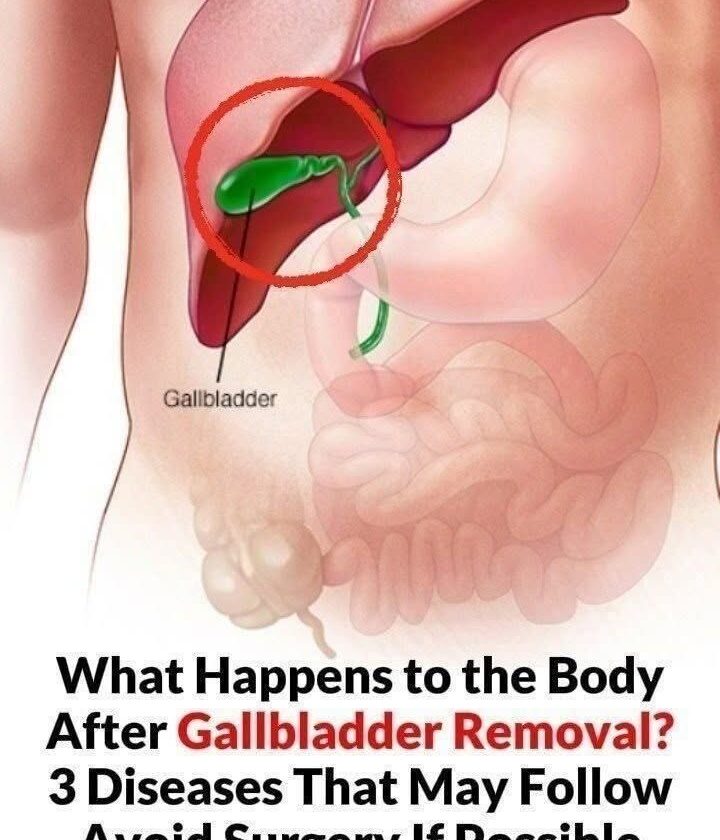
The gallbladder is a small organ located beneath the liver. Its primary function is to store and concentrate bile, a digestive fluid produced by the liver. During meals—especially those containing fat—the gallbladder contracts and releases bile into the small intestine to aid digestion.
After the gallbladder is removed, bile flows directly from the liver into the intestine instead of being stored. Most people adapt well, but some experience digestive symptoms or other complications.
Condition 1: Post-Cholecystectomy Syndrome (PCS)
What Is It?
Post-cholecystectomy syndrome (PCS) refers to persistent or new digestive symptoms after gallbladder removal.
Common Symptoms
- Pain in the upper abdomen
- Bloating
- Gas
- Nausea
- Indigestion
- Heartburn
- Diarrhea
- Feeling full quickly
These symptoms can appear days, months, or even years after surgery.
Why Does It Happen?
Possible causes include:
- Changes in bile flow
- Irritation of the digestive tract
- Retained bile duct stones
- Dysfunction of the sphincter controlling bile flow
- Unrelated digestive disorders, such as acid reflux or irritable bowel syndrome
Treatment
Treatment depends on the cause and may include:
- Dietary changes
- Medications to reduce stomach acid
- Bile acid-binding medications for diarrhea
- Further evaluation if symptoms persist
Condition 2: Bile Acid Diarrhea
What Is It?
Some people develop chronic diarrhea after gallbladder removal because bile continuously enters the intestine instead of being released mainly during meals.
Symptoms
- Loose stools
- Urgent bowel movements
- Frequent diarrhea, especially after eating
- Abdominal cramping
Who Is at Risk?
Only a minority of patients develop persistent bile acid diarrhea. Many who experience diarrhea improve within weeks to months.
Management
- Eat smaller, more frequent meals.
- Reduce very high-fat foods if they worsen symptoms.
- Increase soluble fiber gradually.
- Prescription bile acid-binding medications may help when symptoms are persistent.
Condition 3: Digestive Difficulties with High-Fat Meals
Without a gallbladder to store and release concentrated bile, some people have difficulty digesting large, fatty meals.
Possible Symptoms
- Bloating
- Gas
- Stomach discomfort
- Mild nausea
- Loose stools after eating fatty foods
Foods That May Trigger Symptoms
- Fried foods
- Fatty cuts of meat
- Fast food
- Cream-based sauces
- Large portions of cheese
- Rich desserts
Most people can gradually return to a normal diet over time, though some find they tolerate smaller, lower-fat meals better.
Other Possible Long-Term Effects
Some people may experience:
Temporary Changes in Bowel Habits
Many notice looser stools for a short period after surgery.
Acid Reflux or Indigestion
Some patients report worsening reflux or indigestion, though these symptoms may also have existed before surgery.
Changes in Gut Bacteria
Research suggests that changes in bile flow may influence the gut microbiome, but the long-term health significance is still being studied.
When Gallbladder Removal Is Recommended
Surgery is often the best treatment when the gallbladder is causing significant problems, including:
- Recurrent painful gallstones (biliary colic)
- Acute gallbladder inflammation (cholecystitis)
- Gallstones blocking the bile duct
- Gallstone pancreatitis
- Certain gallbladder polyps with cancer risk
- A non-functioning gallbladder causing severe symptoms
In these situations, delaying surgery can increase the risk of serious complications such as infection, pancreatitis, or bile duct obstruction.
Can Gallstones Be Managed Without Surgery?
In some cases, yes—particularly if gallstones are not causing symptoms.
Options may include:
Observation
Many people with “silent” gallstones never need treatment.
Dietary Changes
A balanced diet may reduce symptoms but generally does not eliminate existing gallstones.
Helpful habits include:
- Eating regular meals
- Maintaining a healthy weight
- Gradual weight loss if needed
- Limiting highly processed foods
- Including fiber-rich foods
Medications
Certain medications can dissolve some cholesterol gallstones, but they work slowly, are suitable only for selected patients, and stones often recur after treatment.
Recovery After Gallbladder Surgery
First Week
- Mild abdominal pain
- Fatigue
- Shoulder pain from surgical gas (after laparoscopic surgery)
- Gradual return to walking and light activities
Weeks 2–6
- Most people resume normal daily activities.
- Digestion usually improves over time.
- Many can slowly reintroduce a wider variety of foods.
Diet After Gallbladder Removal
Foods to Eat
- Lean chicken or turkey
- Fish
- Oatmeal
- Brown rice
- Whole-grain bread
- Bananas
- Apples
- Cooked vegetables
- Low-fat yogurt
- Beans and lentils (if tolerated)
Foods to Limit Initially
- Fried foods
- Fatty meats
- Heavy cream
- Butter in large amounts
- Very spicy foods if they trigger symptoms
- Large, high-fat meals
Many people can eventually eat these foods in moderation.
Common Myths
Myth: You cannot digest fat without a gallbladder.
Fact: You still produce bile. Most people continue to digest fat, though some may need to limit very fatty meals initially.
Myth: Everyone develops chronic digestive problems.
Fact: Most people recover well and do not experience long-term severe digestive issues.
Myth: Surgery should always be avoided.
Fact: When gallstones are causing repeated pain or complications, surgery is often the most effective and safest treatment.
When to Seek Medical Care After Surgery
Contact your healthcare provider promptly if you develop:
- Fever
- Yellowing of the skin or eyes (jaundice)
- Severe abdominal pain
- Persistent vomiting
- Swelling or redness around the incision
- Persistent diarrhea lasting several weeks
- Dark urine or pale stools
These symptoms may indicate a complication that requires evaluation.
Frequently Asked Questions
Can I live normally without a gallbladder?
Yes. Most people live healthy, normal lives after gallbladder removal.
Will I need a special diet forever?
Usually not. Many people return to a varied diet after recovery, though some prefer smaller or lower-fat meals.
Are there alternatives to surgery?
If gallstones are not causing symptoms, observation is often appropriate. However, if gallstones repeatedly cause pain, infection, or other complications, surgery is typically the recommended treatment.
Summary
Gallbladder removal can lead to post-cholecystectomy syndrome, bile acid diarrhea, or difficulty tolerating high-fat meals in some people. However, these outcomes are not inevitable, and many patients recover with few or no long-term digestive problems. The decision to remove the gallbladder should be based on the severity of symptoms and the risk of complications, in consultation with a healthcare professional. For people with recurrent painful gallstones or serious gallbladder disease, the benefits of surgery often outweigh the risks.