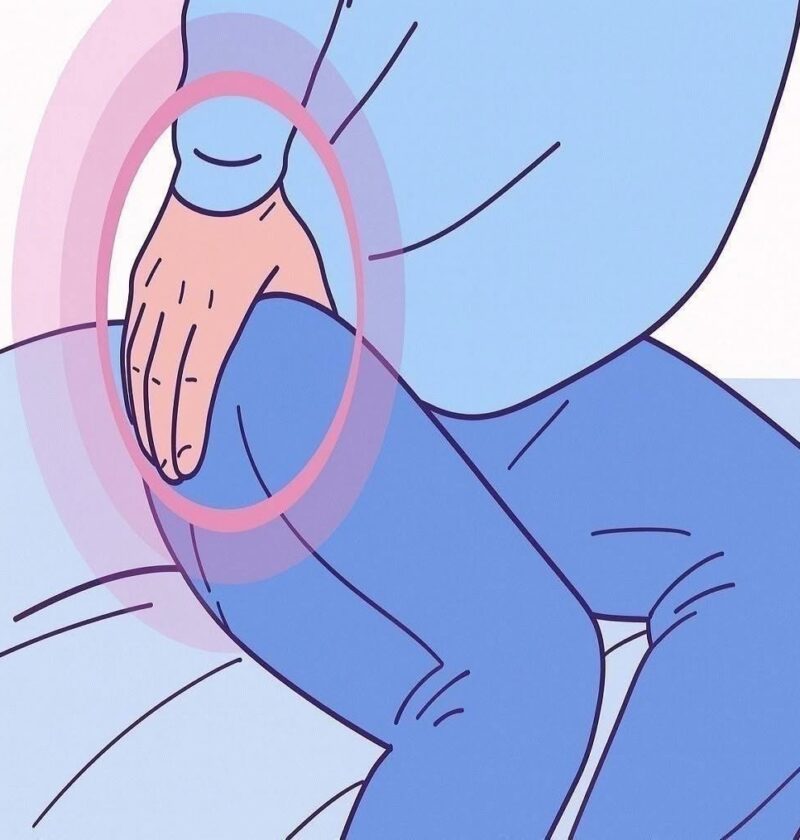
If you have hip pain, it’s a clear sign that…
This kind of statement is usually used in clickbait posts, but in reality, hip pain is not a “clear sign” of one specific problem. It is a symptom with many possible causes, ranging from simple muscle strain to arthritis or nerve problems. The meaning depends on age, location of pain, duration, and associated symptoms.
Below is a detailed breakdown of what hip pain can actually indicate.
First: What is “hip pain”?
The hip is a ball-and-socket joint connecting:
- Thigh bone (femur)
- Pelvis (acetabulum)
- Surrounding muscles, tendons, and ligaments
Pain may come from:
- The joint itself
- Nearby muscles or tendons
- Nerves (referred pain from spine)
Common Causes of Hip Pain
1. Osteoarthritis (Most common in older adults)
This is the leading cause of chronic hip pain, especially after age 50–60.
What happens?
The protective cartilage in the hip joint slowly wears away.
Symptoms:
- Deep ache in groin or hip
- Stiffness (especially in morning)
- Pain worse with walking or climbing stairs
- Reduced range of motion
Key point:
Pain usually develops gradually over time.
2. Muscle or Tendon Strain (Very common in all ages)
Often caused by:
- Sudden movement
- Heavy lifting
- Exercise or walking longer than usual
Symptoms:
- Sharp or localized pain
- Pain increases with movement
- Improves with rest
3. Bursitis (Inflammation of fluid sacs)
A bursa is a small cushion that reduces friction between tissues.
Trochanteric bursitis is common:
- Pain on the outer side of the hip
- Worse when lying on that side
- Tender to touch
4. Sciatica (Nerve-related pain)
Pain may not come from the hip joint itself.
Cause:
Compression of the sciatic nerve from the lower back.
Symptoms:
- Pain radiating from lower back → buttock → leg
- Tingling or burning sensation
- Worse when sitting for long periods
5. Hip Fracture (Serious cause, especially in older adults)
Often occurs after a fall.
Symptoms:
- Sudden severe pain
- Cannot stand or walk
- Leg may appear shorter or turned outward
👉 This is a medical emergency.
6. Rheumatoid Arthritis or Autoimmune Disease
Unlike osteoarthritis (wear and tear), this is immune system related.
Symptoms:
- Pain in multiple joints
- Morning stiffness lasting >1 hour
- Swelling and warmth in joints
7. Avascular Necrosis (Reduced blood supply to bone)
A serious but less common condition.
Causes:
- Long-term steroid use
- Alcohol use
- Injury
Symptoms:
- Deep groin pain
- Pain that worsens over time
- Difficulty walking
8. Referred Pain from Lower Back
Sometimes the hip is not the real source.
Problems in:
- Lumbar spine
- Discs
- Nerves
can cause hip-like pain.
9. Overuse or Aging Changes
With age:
- Muscles weaken
- Joints stiffen
- Cartilage thins
This leads to:
- General aching
- Reduced mobility
- Morning stiffness
Location of Hip Pain Matters
Groin (front of hip)
Often indicates:
- Hip joint arthritis
- Labral tear
Outer hip
Often indicates:
- Bursitis
- Muscle strain
Buttock area
Often indicates:
- Sciatica
- Spine-related issue
When Hip Pain Is Serious
Seek medical attention if:
- Pain is sudden and severe
- You cannot bear weight
- There was a fall or injury
- Pain lasts more than 2–3 weeks
- There is swelling, redness, or fever
- Pain wakes you from sleep
- You have numbness or weakness in the leg
Common Misconception
❌ “Hip pain always means arthritis”
✔ Not true — many cases are muscle, nerve, or posture-related.
❌ “Rest is always the best treatment”
✔ Mild movement is often better than complete rest.
What Helps Most Types of Hip Pain
1. Gentle movement
- Walking
- Stretching
- Light physiotherapy
2. Heat or cold therapy
- Ice for sudden injury
- Heat for stiffness
3. Weight management
- Reduces pressure on hip joints
4. Proper posture
- Avoid long sitting periods
5. Strengthening exercises
- Glutes
- Core muscles
- Thigh muscles
Key Takeaway
Hip pain is not a single-diagnosis warning sign. It can indicate anything from simple muscle strain to arthritis, nerve irritation, bursitis, or—in some cases—serious injury like a fracture. The pattern, location, and duration of pain are what matter most in understanding the cause. If hip pain is persistent, worsening, or affecting walking, a medical evaluation is important to identify the exact reason and prevent long-term mobility problems.