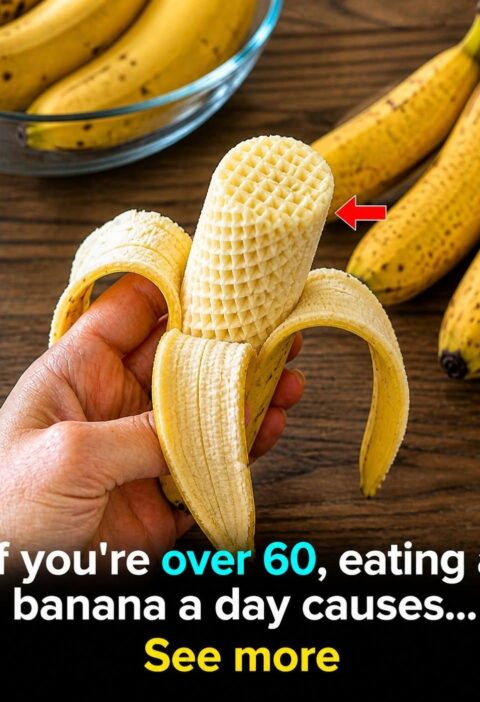
That kind of headline is designed to create panic, but in most cases it’s misleading clickbait.
Cracks inside a watermelon — what it actually means
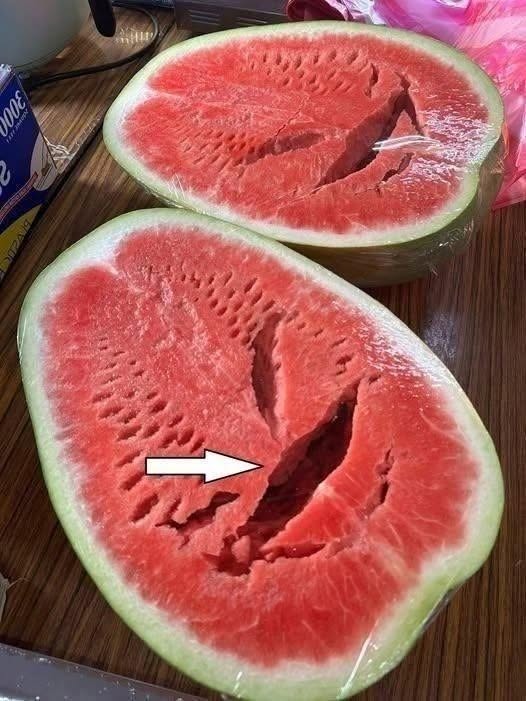
Watermelon can sometimes show internal cracks, hollow areas, or split-like patterns in the flesh. This is usually called:
- Internal cracking
- Hollow heart
- Stress cracking
These are not automatically dangerous.
Common harmless causes
1. Irregular growth
If the watermelon grows too fast or unevenly, the flesh can separate slightly inside, creating cracks.
This often happens due to:
- Rapid temperature changes
- Inconsistent watering
- Fast growth from high fertilizer use
2. Pollination issues
Poor pollination during flowering can cause:
- Gaps inside the fruit
- Uneven flesh structure
- Cracks or hollow sections
3. Natural variation
Some varieties naturally develop:
- Fibrous patterns
- Internal splits
- “Star-like” cracks
This is especially common in large or overripe melons.
When it might be a problem
You should not eat it if you notice:
- Sour or fermented smell
- Slimy or mushy texture
- Discoloration (brown, black, or grey patches)
- Gas bubbles or leaking juice
- Mold anywhere inside or outside
These can indicate spoilage or bacterial growth.
Are cracked watermelons toxic?
In most normal cases:
- ❌ Cracks alone are NOT toxic
- ❌ They do NOT automatically mean poison or chemicals
- ✔️ The fruit is usually safe if it smells and tastes normal
Why videos say “stop eating immediately”
Because it:
- Triggers fear
- Increases clicks and shares
- Makes a normal agricultural issue sound dangerous
But agriculturally, internal cracking is usually a quality issue, not a safety issue.
Bottom line
A cracked watermelon is usually:
✔️ A sign of uneven growth or pollination
✔️ A cosmetic defect
✔️ Often still safe to eat
But you should avoid it only if there are signs of spoilage (bad smell, mold, slimy texture).
If you want, I can show you how to pick a perfect watermelon in 30 seconds at the market so you avoid bad ones completely.