Why Neck Skin Sags as You Age — And What You Can Do About It
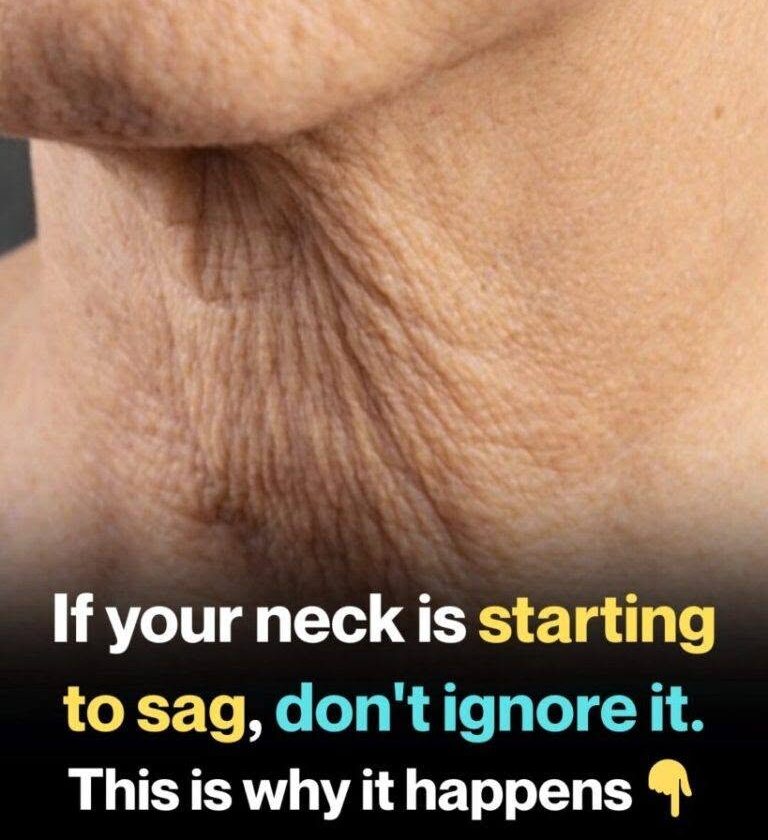
Many people notice changes in their neck before they see them elsewhere. Loose skin, fine lines, and a loss of firmness are common as we get older. While aging can’t be stopped, understanding why these changes happen can help you choose habits and treatments that support healthier-looking skin.
Why Does Neck Skin Sag?
1. Natural Loss of Collagen and Elastin
As we age, the body produces less collagen and elastin—the proteins that help keep skin firm and elastic. With less of these structural proteins, the skin becomes thinner and less resilient, making sagging more noticeable.
2. Sun Exposure
Ultraviolet (UV) rays from the sun gradually break down collagen and elastin, accelerating visible signs of aging. Because the neck is often exposed to sunlight, it can develop wrinkles and loose skin over time.
3. Gravity
Over the years, gravity contributes to the gradual downward pull of skin and soft tissues. Combined with reduced skin elasticity, this can lead to a less defined jawline and looser neck skin.
4. Weight Changes
Significant weight gain or weight loss can stretch the skin. After weight loss, especially if it’s rapid or substantial, the skin may not fully tighten, particularly as natural elasticity declines with age.
5. Genetics
Your genes influence how quickly your skin loses firmness. Some people are naturally more prone to developing loose skin earlier than others.
6. Lifestyle Factors
Smoking, poor nutrition, inadequate sleep, chronic stress, and dehydration can all contribute to skin aging by affecting overall skin health.
What You Can Do
Protect Your Skin From the Sun
Apply a broad-spectrum sunscreen with SPF 30 or higher to your face and neck every day, even when it’s cloudy. Wearing protective clothing and seeking shade during peak sun hours can also help reduce UV damage.
Moisturize Regularly
Keeping the skin hydrated can improve its appearance and support the skin’s natural barrier. Look for moisturizers that suit your skin type.
Consider Proven Skincare Ingredients
Some ingredients have evidence for improving the appearance of aging skin over time, including:
- Retinoids (used as directed)
- Vitamin C
- Niacinamide
- Peptides
- Hyaluronic acid (helps hydrate the skin)
Results vary, and these products generally improve the appearance of the skin rather than reversing sagging.
Maintain Healthy Habits
A balanced diet, regular exercise, good sleep, avoiding smoking, and staying hydrated all contribute to healthier skin.
Explore Professional Treatments
If sagging is a concern, a dermatologist or qualified cosmetic professional can discuss options such as:
- Microneedling
- Laser resurfacing
- Radiofrequency treatments
- Ultrasound-based skin tightening
- Injectable treatments for selected concerns
- Surgical procedures, such as a neck lift, for more significant skin laxity
The best option depends on your skin, goals, and overall health.
Do Neck Exercises Help?
Exercises that strengthen the neck muscles may improve muscle tone, but there is limited evidence that they significantly tighten loose skin. They are not a substitute for proven skincare or medical treatments.
The Bottom Line
Sagging neck skin is a normal part of aging and results from a combination of reduced collagen, sun exposure, gravity, genetics, and lifestyle factors. While no cream or exercise can completely reverse these changes, consistent sun protection, a healthy lifestyle, evidence-based skincare, and, when appropriate, professional treatments can help improve the skin’s appearance and slow further visible aging.