Your feet can sometimes provide clues about your overall health. While many foot symptoms are caused by minor issues, some may indicate conditions that need medical attention. Here are 9 foot symptoms you shouldn’t ignore and what they could mean.
1. Persistent Swelling
Swollen feet or ankles that don’t improve with rest may be linked to:
- Heart failure
- Kidney disease
- Liver disease
- Venous insufficiency
- Certain medications
Seek medical advice if the swelling is persistent, affects one leg only, or is accompanied by pain or shortness of breath.
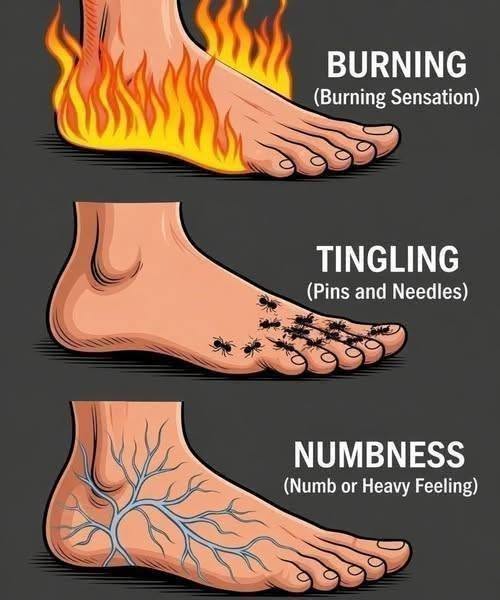
2. Numbness or Tingling
A “pins and needles” sensation or loss of feeling may be caused by:
- Diabetic neuropathy
- Vitamin B12 deficiency
- Nerve compression
- Poor circulation
Persistent numbness should be evaluated, especially if you have diabetes.
3. Cold Feet
Feet that remain cold even in a warm environment may be associated with:
- Poor blood circulation
- Peripheral artery disease
- Thyroid disorders
- Smoking-related vascular disease
4. Non-Healing Sores or Ulcers
Cuts or sores that don’t heal within a few weeks may indicate:
- Diabetes
- Poor circulation
- Infection
People with diabetes should seek medical care promptly for any foot wound.
5. Sudden Pain, Redness, and Warmth
These symptoms may be caused by:
- Gout
- Cellulitis (skin infection)
- Injury
If redness spreads quickly or is accompanied by fever, seek urgent medical care.
6. Thick, Yellow, or Crumbling Toenails
Changes in the nails may result from:
- Fungal nail infection
- Repeated trauma
- Psoriasis
A healthcare professional can determine the cause and recommend treatment if needed.
7. Severe Heel Pain
Pain that’s worst with the first steps in the morning may be due to:
- Plantar fasciitis
- Heel spurs
- Tendon problems
Persistent heel pain should be assessed if it limits daily activities.
8. Changes in Skin Color
Foot skin that becomes blue, pale, or unusually red may suggest:
- Poor circulation
- Blood vessel problems
- Infection
- Cold-related injury
Sudden color changes, especially with pain, require prompt evaluation.
9. One-Sided Leg or Foot Swelling with Pain
Swelling, pain, warmth, and redness in one leg or foot could indicate Deep vein thrombosis (DVT), which can be serious if the clot travels to the lungs.
When to Seek Immediate Medical Care
Get emergency medical attention if you have:
- Sudden one-sided leg swelling with pain and warmth
- A foot that becomes cold, pale, or blue suddenly
- A rapidly spreading foot infection with fever
- A foot injury with severe deformity or inability to bear weight
Regular foot checks are especially important for people with diabetes, poor circulation, or nerve problems. Detecting changes early can help prevent complications and preserve foot health.