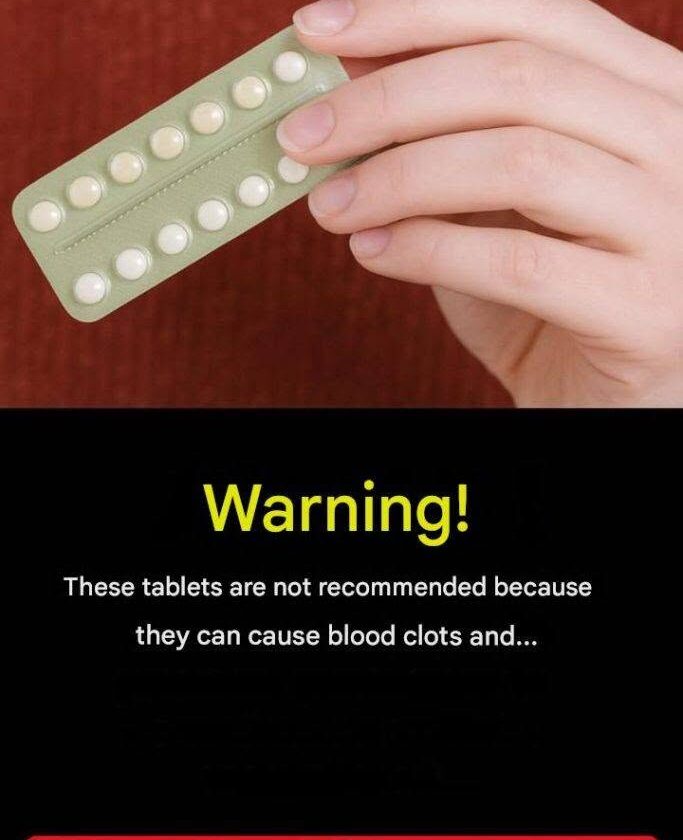
Headlines like “WARNING! These tablets are not recommended because they can cause blood clots…” are often misleading because the risk depends on the specific medication, the dose, and the person’s medical history. Most medications do not cause blood clots, and people should not stop a prescribed medication without first talking to their healthcare provider.
Here are some types of medications that can increase the risk of blood clots in certain people:
1. Estrogen-Containing Birth Control Pills
Combination birth control pills that contain estrogen can increase the risk of blood clots, especially in people who:
- Smoke (particularly if over age 35)
- Have obesity
- Have a personal or family history of blood clots
- Have certain inherited clotting disorders
For most healthy young women, the absolute risk remains low, but it is higher than in people not taking these pills.
2. Hormone Replacement Therapy (HRT)
Some forms of hormone therapy used to treat menopausal symptoms, particularly oral estrogen, can increase the risk of blood clots. The risk varies depending on the formulation and the individual.
3. Certain Cancer Treatments
Some chemotherapy drugs and hormone therapies used to treat cancer can increase the likelihood of developing blood clots.
4. Some Medications Used for Autoimmune Diseases
A few medications, including some newer targeted therapies, may carry an increased clotting risk. The degree of risk depends on the specific drug and the condition being treated.
Warning Signs of a Blood Clot
Seek prompt medical attention if you develop:
- Swelling, pain, warmth, or redness in one leg
- Sudden shortness of breath
- Sharp chest pain
- Coughing up blood
- Fainting or severe dizziness
These symptoms may indicate a serious condition such as Deep vein thrombosis or Pulmonary embolism.
Important Advice
- Do not stop a prescribed medication on your own because of a headline or social media post.
- If you’re concerned about blood clot risk, discuss it with your healthcare provider. They can weigh the benefits and risks based on your medical history and recommend alternatives if appropriate.
The safest approach is to make medication decisions with a healthcare professional rather than relying on generalized online warnings.