Waking Up with Dry Mouth? Here’s What Your Body Might Be Telling You
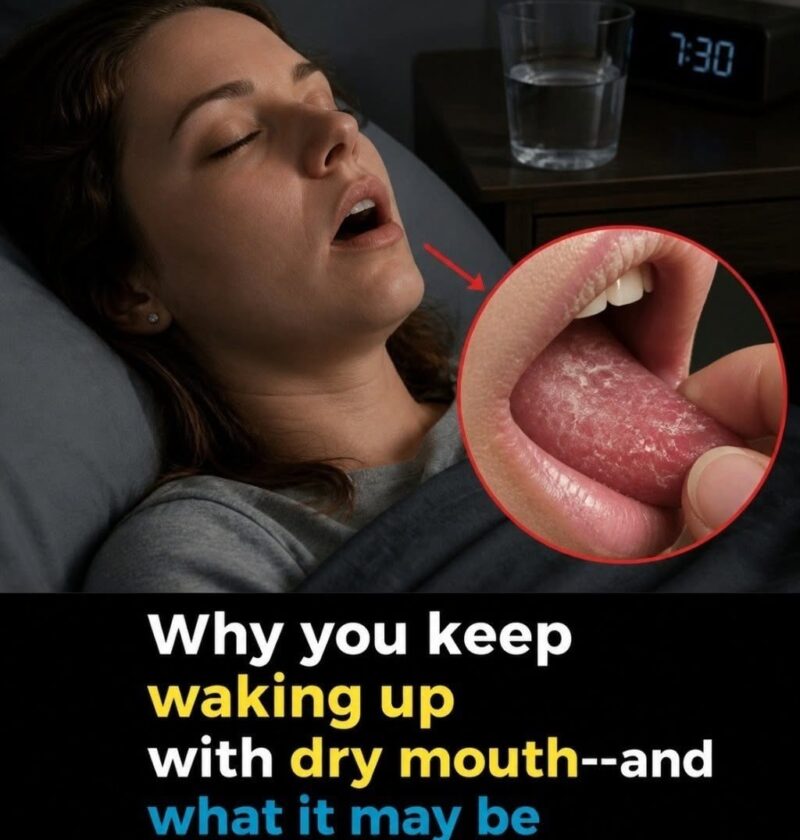
Waking up with a dry mouth from time to time is common, especially after sleeping with your mouth open or spending the night in a dry environment. However, if it happens frequently, it could be your body’s way of signaling an underlying issue that deserves attention.
Dry mouth, also known as xerostomia, occurs when your salivary glands don’t produce enough saliva to keep your mouth moist. Saliva plays a vital role in protecting your teeth, aiding digestion, preventing infections, and making it easier to speak and swallow.
Let’s explore the most common causes of waking up with a dry mouth, when it’s a cause for concern, and what you can do to relieve it.
🦷 Why Saliva Is So Important
Saliva does much more than keep your mouth comfortable. It helps:
- Wash away food particles
- Neutralize acids that can damage tooth enamel
- Reduce the growth of harmful bacteria
- Prevent bad breath
- Aid in chewing and swallowing
- Begin the digestion of carbohydrates
- Protect the soft tissues inside your mouth
When saliva production decreases, your mouth becomes more vulnerable to discomfort and dental problems.
🌙 Common Reasons You Wake Up with a Dry Mouth
1. Sleeping with Your Mouth Open
One of the most common causes of morning dry mouth is breathing through your mouth while you sleep.
This may happen because of:
- Nasal congestion
- Allergies
- A deviated nasal septum
- Habitual mouth breathing
As air passes continuously through the mouth, it evaporates moisture and leaves the tissues dry by morning.
Signs you may be mouth breathing:
- Dry lips upon waking
- Sore throat in the morning
- Snoring
- Feeling thirsty immediately after waking
2. Snoring or Sleep Apnea
Loud snoring and obstructive sleep apnea often cause people to breathe through their mouths during sleep.
People with sleep apnea may also experience:
- Pauses in breathing during sleep
- Gasping for air
- Excessive daytime sleepiness
- Morning headaches
- Difficulty concentrating
If dry mouth is accompanied by heavy snoring or interrupted sleep, it’s worth discussing with a healthcare professional, as sleep apnea can increase the risk of heart disease, high blood pressure, and stroke if left untreated.
3. Dehydration
Not drinking enough fluids during the day is another frequent cause.
You may become dehydrated because of:
- Hot weather
- Intense exercise
- Fever
- Vomiting or diarrhea
- Drinking too much alcohol
- Certain medications
Signs of dehydration include:
- Dark-colored urine
- Fatigue
- Headache
- Dizziness
- Dry skin
4. Medications
Hundreds of prescription and over-the-counter medications list dry mouth as a side effect.
Common examples include medicines for:
- High blood pressure
- Allergies
- Depression
- Anxiety
- Overactive bladder
- Pain
- Colds and sinus congestion
Never stop taking prescribed medication without consulting your healthcare provider, but if dry mouth becomes bothersome, ask whether an alternative medicine is available.
5. Aging
As people get older, dry mouth becomes more common.
This isn’t simply because of age itself but because older adults are more likely to:
- Take multiple medications
- Have chronic health conditions
- Experience reduced salivary gland function
6. Diabetes
Persistent dry mouth may sometimes be associated with high blood sugar levels.
Other symptoms may include:
- Frequent urination
- Increased thirst
- Blurred vision
- Fatigue
- Slow-healing wounds
If you have ongoing dry mouth along with these symptoms, it’s important to discuss them with your healthcare provider.
7. Autoimmune Conditions
Some autoimmune diseases can damage the salivary glands.
One example is Sjögren’s syndrome, in which the immune system attacks glands that produce saliva and tears.
Typical symptoms include:
- Very dry mouth
- Dry eyes
- Difficulty swallowing dry foods
- Frequent dental cavities
8. Smoking or Tobacco Use
Smoking and other tobacco products can:
- Reduce saliva production
- Irritate the tissues of the mouth
- Increase the risk of gum disease
- Cause persistent bad breath
Quitting tobacco often improves oral health over time.
⚠️ Why Chronic Dry Mouth Shouldn’t Be Ignored
Occasional dryness is usually harmless.
However, persistent dry mouth can increase the risk of:
- Tooth decay
- Gum disease
- Oral infections
- Mouth sores
- Difficulty chewing and swallowing
- Bad breath
- Changes in taste
Without enough saliva, bacteria grow more easily, increasing the likelihood of dental problems.
💧 How to Relieve Dry Mouth
Simple strategies often help.
Drink Plenty of Water
Stay hydrated throughout the day rather than drinking large amounts only before bed.
Use a Humidifier
If your bedroom air is dry, especially during winter, a humidifier can add moisture to the air and reduce overnight dryness.
Breathe Through Your Nose
If allergies or congestion are forcing you to breathe through your mouth, treating the underlying nasal blockage may help.
Limit Alcohol and Caffeine Before Bed
Both can contribute to dehydration in some people and may worsen dry mouth overnight.
Chew Sugar-Free Gum
Chewing sugar-free gum or sucking on sugar-free lozenges during the day can stimulate saliva production.
Products containing xylitol may also help reduce the risk of cavities.
Maintain Good Oral Hygiene
Brush twice daily with fluoride toothpaste, floss regularly, and visit your dentist for routine checkups.
People with chronic dry mouth may need extra fluoride treatments to help protect their teeth.
🚨 When to See a Healthcare Professional
Schedule an evaluation if:
- Dry mouth lasts for several weeks
- You have difficulty swallowing or speaking
- You develop frequent cavities
- You notice mouth sores that don’t heal
- You snore heavily or stop breathing during sleep
- You have symptoms of diabetes or another medical condition
- Dry mouth begins soon after starting a new medication
A healthcare professional can determine whether your symptoms are related to medication, an underlying health condition, or another cause.
🌿 Can Natural Remedies Help?
Some people find temporary relief from:
- Sipping water regularly
- Eating water-rich fruits and vegetables
- Avoiding tobacco
- Using alcohol-free mouthwash
- Limiting salty or spicy foods if they irritate the mouth
While these measures can improve comfort, they won’t treat an underlying medical condition if one is present.
📌 Key Takeaway
Waking up with a dry mouth once in a while is usually not a cause for concern. However, if it happens regularly, it may be related to mouth breathing, dehydration, medications, snoring, sleep apnea, diabetes, or certain autoimmune conditions. Because saliva is essential for protecting your teeth and maintaining oral health, persistent dry mouth shouldn’t be ignored.
Simple lifestyle changes—such as staying hydrated, addressing nasal congestion, using a humidifier, and practicing good oral hygiene—can often help. If your symptoms are frequent, severe, or accompanied by other concerning signs, a healthcare professional or dentist can help identify the underlying cause and recommend appropriate treatment.