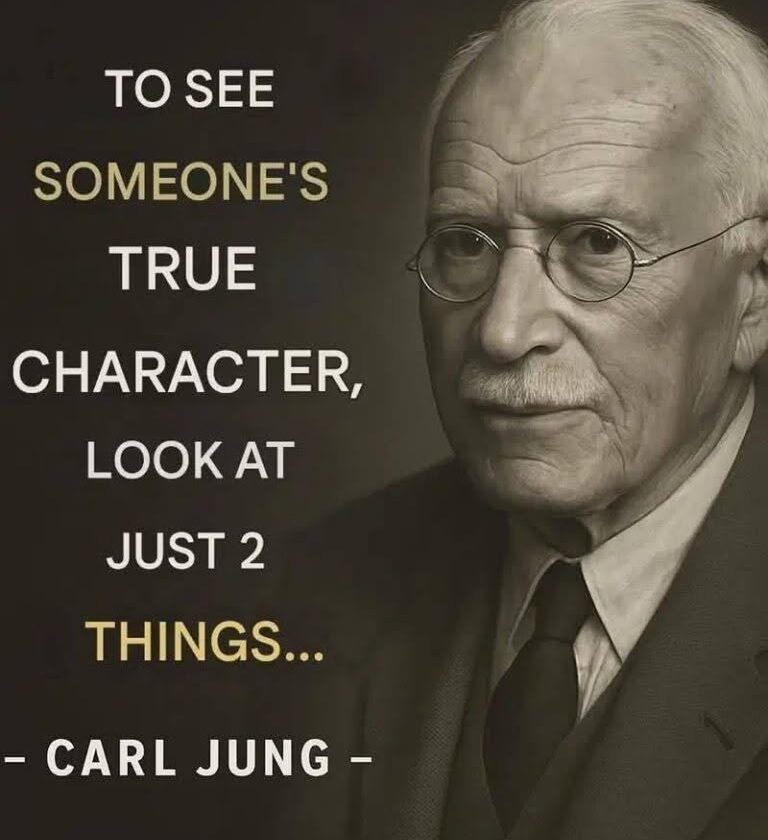
To See Someone’s True Character, Look at Just These 2 Things
People often say that actions speak louder than words—and there’s a lot of truth in that. First impressions can be misleading, charming personalities can hide poor intentions, and polished appearances don’t always reflect what’s inside. While no single test can reveal everything about a person’s character, psychologists and relationship experts agree that two consistent patterns often provide valuable insight: how someone treats people who can do nothing for them and how they behave when things don’t go their way.
These two qualities reveal far more than compliments, promises, or outward success. They offer a glimpse into a person’s values, emotional maturity, and integrity.
Let’s explore why these two traits matter so much and how they can help you better understand the people in your life.
1. Watch How They Treat People Who Can’t Benefit Them
One of the strongest indicators of character is how someone treats people from whom they have nothing to gain.
It’s easy to be polite to a boss, an important client, or someone who might offer opportunities. Genuine character becomes more visible in interactions with people who have less power or influence.
Consider how a person treats:
- Restaurant servers
- Cashiers
- Janitors
- Delivery drivers
- Receptionists
- Hotel staff
- Elderly people
- Children
- People experiencing homelessness
- Animals
Kindness shown only when it’s advantageous is different from kindness that’s part of someone’s nature.
Why This Matters
Respect should not depend on a person’s job title, wealth, education, or social status. People with strong character tend to recognize the dignity of every individual.
They are more likely to:
- Say “please” and “thank you”
- Listen without interrupting
- Show patience when mistakes happen
- Avoid insulting or belittling others
- Treat everyone with basic courtesy
These behaviors often reflect empathy and emotional intelligence rather than a desire to impress.
Small Moments Reveal Big Truths
Character is often revealed in everyday situations.
For example:
Imagine you’re having dinner with someone.
The food arrives later than expected.
Instead of becoming angry and insulting the server, they remain calm, explain the issue respectfully, and thank the staff for helping.
That simple interaction can reveal patience, self-control, and respect.
On the other hand, someone who is charming with friends but rude to service workers may be showing that their kindness is conditional.
How They Talk About Others
Pay attention not only to how someone treats people directly, but also to how they speak about them afterward.
Do they:
- Constantly mock others?
- Gossip excessively?
- Look down on people?
- Judge people based on income or appearance?
Or do they:
- Speak respectfully
- Give others the benefit of the doubt
- Show compassion
- Avoid unnecessary criticism
Consistent respect—even when no one is watching—often reflects genuine character.
2. Watch How They Handle Disappointment, Failure, or Conflict
Life doesn’t always go according to plan.
Everyone experiences:
- Rejection
- Mistakes
- Delays
- Criticism
- Stress
- Failure
These moments often reveal qualities that success can hide.
Why Difficult Moments Matter
When everything is going well, most people are pleasant.
The real test comes when they face disappointment.
Ask yourself:
- Do they accept responsibility for their mistakes?
- Do they blame everyone else?
- Can they stay respectful during disagreements?
- Do they become verbally aggressive?
- Can they apologize sincerely?
- Are they willing to learn from setbacks?
How someone responds under pressure often reflects their emotional maturity.
Emotional Self-Control
Having emotions is normal.
Character isn’t about never feeling angry or frustrated—it’s about how those emotions are expressed.
Someone with strong emotional self-control may:
- Pause before reacting
- Speak respectfully during disagreements
- Admit when they’re wrong
- Look for solutions instead of escalating conflict
In contrast, someone who regularly lashes out, humiliates others, or refuses to take responsibility may struggle with emotional regulation.
Accountability Is a Powerful Sign of Character
Everyone makes mistakes.
The difference lies in what happens afterward.
A person with integrity is more likely to say:
- “I made a mistake.”
- “I’m sorry.”
- “I’ll do better next time.”
Rather than:
- “It’s everyone else’s fault.”
- “You’re too sensitive.”
- “I didn’t do anything wrong.”
Taking responsibility doesn’t mean being perfect—it means being honest and willing to grow.
Why These Two Traits Matter More Than Charm
Charm can make someone seem trustworthy at first.
But charm alone doesn’t tell you how they’ll behave over time.
A person may be:
- Funny
- Attractive
- Successful
- Confident
- Well-spoken
Yet still lack empathy, honesty, or accountability.
True character becomes clearer through repeated actions rather than impressive words.
Other Qualities That Reflect Good Character
While these two observations are especially revealing, several other qualities can also provide valuable insight.
Honesty
Trustworthy people generally:
- Tell the truth, even when it’s uncomfortable.
- Keep their promises when possible.
- Admit when they don’t know something.
Consistency
People with strong character tend to behave similarly across different situations.
They’re respectful whether they’re speaking with:
- A close friend
- A stranger
- A supervisor
- A family member
Their values don’t change based on who’s watching.
Empathy
Empathy is the ability to understand and care about another person’s feelings.
Empathetic people often:
- Listen carefully
- Validate emotions
- Offer support without judgment
- Consider how their actions affect others
Humility
Humility doesn’t mean thinking less of yourself.
It means recognizing that everyone has something to learn.
Humble people are often:
- Open to feedback
- Willing to admit mistakes
- Curious about different perspectives
Red Flags to Watch For
No one is perfect, and everyone has bad days. However, patterns of behavior deserve attention.
Repeated behaviors such as:
- Constant disrespect toward others
- Habitual dishonesty
- Refusal to accept responsibility
- Cruelty toward people or animals
- Manipulation
- Extreme selfishness
may indicate character traits that can affect relationships over time.
Rather than judging someone based on a single incident, it’s usually more helpful to look for consistent patterns across different situations.
Can People Change?
Yes. Character is not entirely fixed.
People can grow through:
- Life experiences
- Honest self-reflection
- Therapy or counseling
- Meaningful relationships
- Learning from mistakes
Lasting change, however, is typically demonstrated through consistent actions over time—not just good intentions or promises.
Frequently Asked Questions
Can someone be nice but still have poor character?
Yes. Being pleasant or charming doesn’t necessarily reflect integrity or empathy. Character is better judged by consistent behavior, especially in situations where there’s nothing to gain or when life becomes difficult.
Should one mistake define a person’s character?
Usually not. Everyone makes mistakes. It’s often more useful to look at patterns over time, including whether the person acknowledges mistakes, apologizes sincerely, and works to improve.
Why is kindness to strangers so important?
How someone treats people who have less power or influence often reflects their underlying values. Courtesy, patience, and respect shown without expecting a reward can be a meaningful sign of empathy and integrity.
Final Thoughts
If you want to better understand someone’s true character, pay attention to how they treat people who can’t benefit them and how they respond when life doesn’t go their way. These moments often reveal qualities that polished appearances, impressive achievements, or charming conversations cannot.
Character isn’t measured by wealth, popularity, or success. It’s reflected in everyday choices—showing respect when no one is watching, taking responsibility for mistakes, remaining kind under pressure, and treating every person with dignity. While no single behavior tells the whole story, these two observations can offer valuable insight into the values and integrity that shape a person’s life.