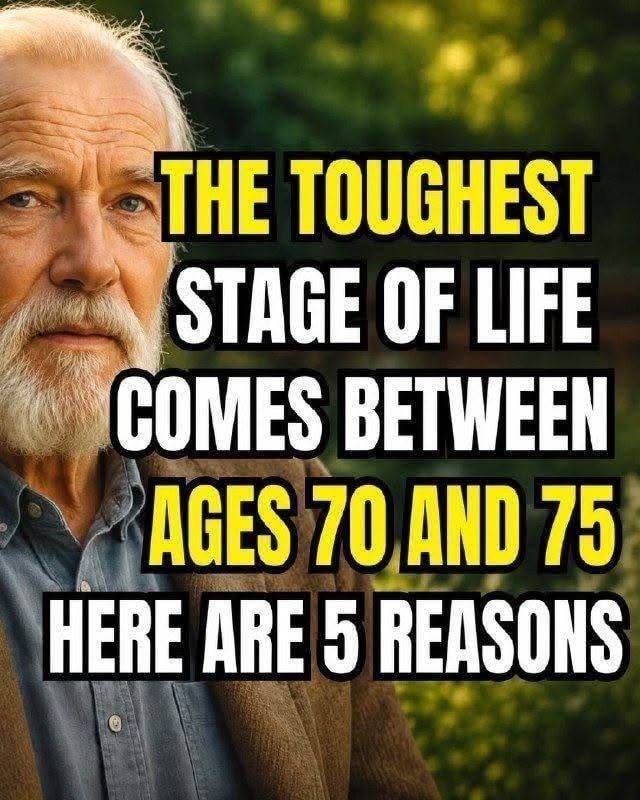
The idea that “the hardest time of life is between ages 70 and 75” is not a scientific fact. People’s experiences vary widely depending on their health, finances, relationships, and life circumstances. However, many people do face important changes during this stage of life.
Here are five common challenges that can become more noticeable between the ages of 70 and 75:
1. Physical Health Changes
As people age, they are more likely to develop chronic conditions such as arthritis, high blood pressure, heart disease, or diabetes. Muscle strength, balance, and bone density may also decline, making everyday activities more challenging.
2. Loss of Loved Ones
Many people experience the death of a spouse, siblings, close friends, or other family members during their 70s. Grief and changes in social connections can have a significant emotional impact.
3. Reduced Independence
Some older adults may need help with transportation, household tasks, or managing medical conditions. Adjusting to relying on others can be emotionally difficult.
4. Retirement and Life Changes
Retirement can provide more free time, but it may also bring changes in daily routine, social interaction, identity, or financial circumstances. Finding new hobbies and maintaining social connections can help ease this transition.
5. Increased Health Care Needs
Medical appointments, medications, vision or hearing changes, and preventive care often become a larger part of life. Staying physically active, eating a balanced diet, and following recommended medical care can help maintain quality of life.
An Important Perspective
While the early 70s can bring challenges, many people also find this period deeply rewarding. They may enjoy:
- More time with family and grandchildren
- Travel and hobbies
- Volunteering or community involvement
- Greater life experience and emotional resilience
- Freedom from work-related responsibilities
A person’s experience of aging is influenced by many factors, including physical health, mental well-being, financial security, and social support. There is no age at which life is universally “hardest,” and many people report high levels of satisfaction and purpose well into their 70s and beyond.