The Fastest Way to Get Rid of Shower Silicone Mildew (Detailed Explanation)
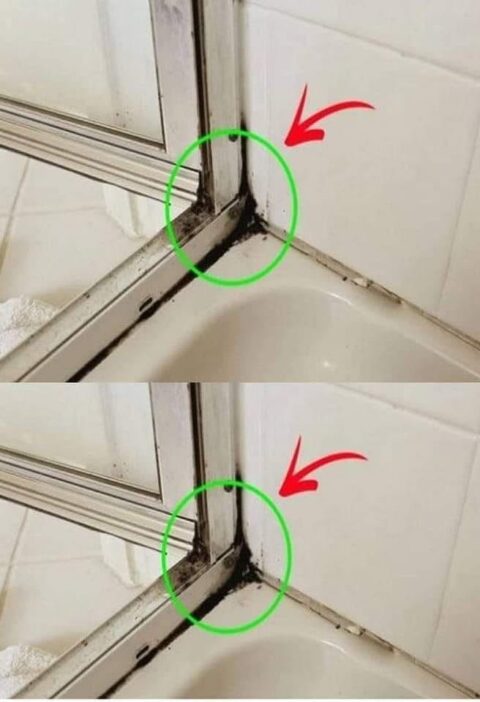
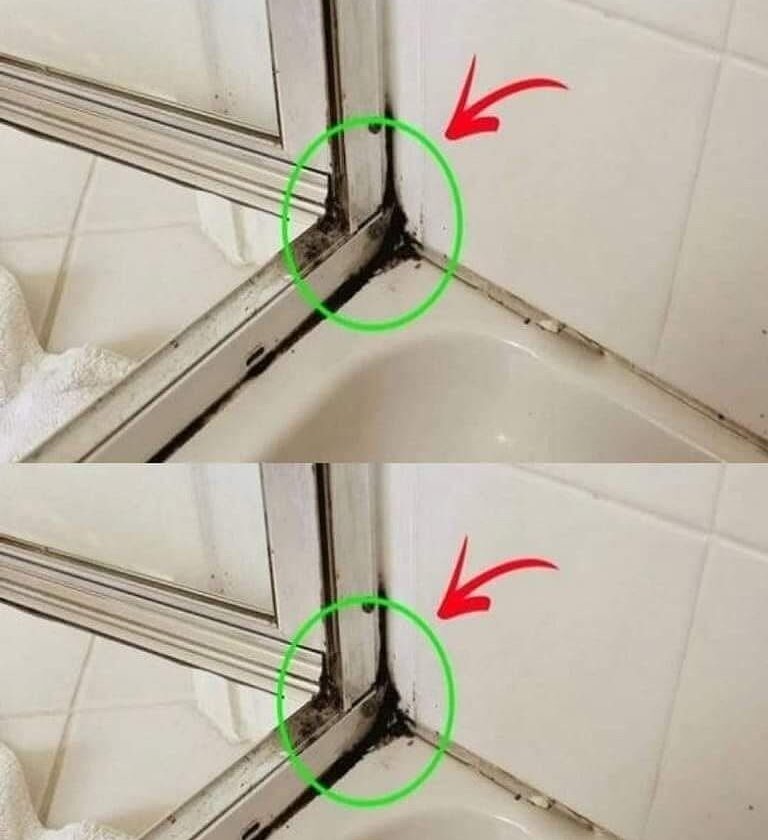
Mildew commonly grows on the silicone sealant around showers, bathtubs, and sinks because these areas are constantly exposed to moisture, warmth, and soap residue. Once mildew penetrates the silicone, simply wiping the surface is usually not enough. The fastest method depends on whether the mildew is only on the surface or has grown into the silicone.
Why mildew grows on silicone
Silicone itself is water-resistant, but its surface can trap:
- Soap scum
- Body oils
- Shampoo residue
- Dirt
- Moisture
These create ideal conditions for mildew and mold, especially in bathrooms with poor ventilation.
Fastest method for surface mildew
Materials
- Household bleach
- Cotton balls, cotton pads, or paper towels
- Plastic wrap (optional)
- Rubber gloves
- Old toothbrush
Steps
- Clean the area first
Remove soap scum with warm water and a bathroom cleaner. - Apply bleach
Soak cotton balls or paper towels in bleach and press them firmly against the affected silicone. - Keep it wet
Cover with plastic wrap if necessary to prevent the bleach from drying out. - Wait
Leave it for 2–12 hours, depending on the severity of the mildew. - Remove and scrub
Take off the cotton and gently scrub with an old toothbrush. - Rinse thoroughly
Wash the area with clean water and dry it completely.
In many cases, the black stains disappear after one treatment.
If the stains remain
If the black spots do not disappear, the mildew has likely grown inside the silicone rather than just on the surface.
At this stage, cleaning products cannot completely remove it.
The only permanent solution is:
- Cut out the old silicone with a utility knife or sealant remover.
- Clean and disinfect the joint thoroughly.
- Allow the area to dry completely (usually at least 24 hours).
- Apply new mildew-resistant bathroom silicone.
Alternative cleaners
If you prefer not to use bleach, you can try:
- White vinegar (kills many types of mold)
- Hydrogen peroxide (3%)
- Oxygen bleach
- Commercial mold and mildew removers
These are generally safer for colored surfaces but may require repeated applications and can be slower than bleach.
How to prevent mildew from returning
- Use the bathroom exhaust fan during and after showers.
- Open a window when possible.
- Wipe down shower walls and silicone after each use.
- Repair leaks promptly.
- Clean the shower weekly.
- Choose a high-quality, mildew-resistant silicone sealant when resealing.
Safety precautions
- Wear gloves and avoid skin contact with bleach.
- Ensure good ventilation while cleaning.
- Never mix bleach with ammonia, vinegar, or other cleaners, as this can produce dangerous toxic gases.
- Keep cleaning products away from children and pets.
Conclusion
For surface mildew, the fastest and most effective method is applying bleach-soaked cotton or paper towels directly to the silicone for several hours, then scrubbing and rinsing. If the black discoloration has penetrated the silicone, however, replacing the old sealant is the only permanent solution. Regular cleaning, good ventilation, and keeping the shower dry can help prevent mildew from returning.