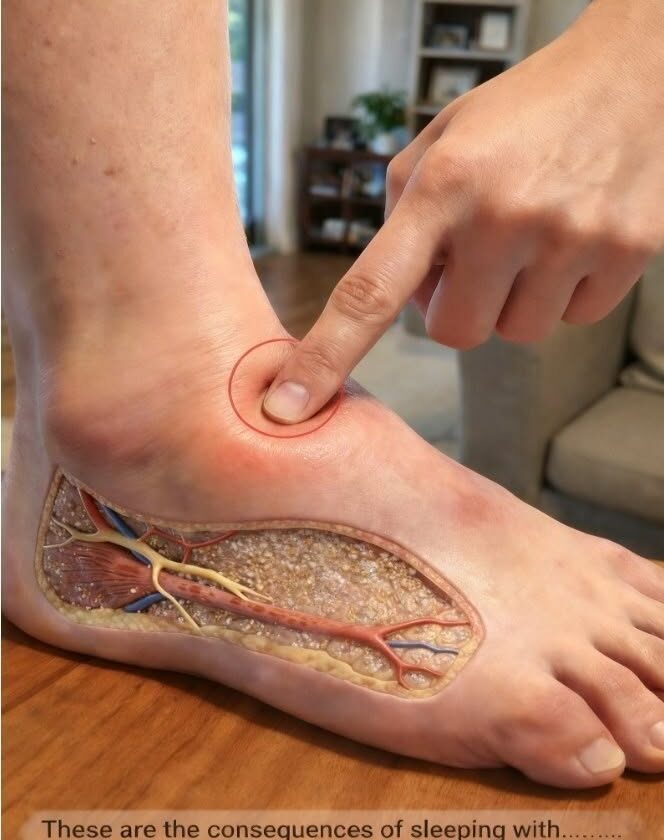
Medicinal Herbs: A Natural Solution to Reduce Swollen Feet and Improve Circulation
Introduction
Swollen feet and ankles (often called edema) are common problems that can happen for many reasons, including standing for long periods, hot weather, high salt intake, pregnancy, certain medications, vein problems, or underlying heart, kidney, or liver conditions.
Many traditional herbal remedies are promoted for reducing swelling and “improving circulation.” Some herbs contain compounds that may support blood vessel function or have mild anti-inflammatory effects, but herbs are not a guaranteed cure for swelling, and they should not replace medical evaluation when swelling is persistent or severe.
This guide explores herbs and natural approaches that may support healthy circulation and fluid balance.
First: Understand Why Feet Swell
Swelling occurs when extra fluid builds up in tissues. Common causes include:
Lifestyle-related causes
- Sitting or standing for long periods
- High salt intake
- Lack of movement
- Dehydration
- Hot weather
Medical causes
- Chronic venous insufficiency (veins not returning blood efficiently)
- Heart problems
- Kidney disease
- Liver disease
- Blood clots
- Certain medications (including some blood pressure medicines)
Understanding the cause is important because the best treatment depends on the reason for the swelling.
1. Ginger (Zingiber officinale)
How It May Help
Ginger contains compounds such as gingerols that have been studied for:
- Anti-inflammatory effects
- Supporting healthy blood flow
- Reducing oxidative stress
How to Use
Ginger Tea
Ingredients
- 1–2 inches fresh ginger root
- 2 cups water
- Lemon slice (optional)
Instructions
- Wash and slice the ginger.
- Simmer in water for 10–15 minutes.
- Strain and drink warm.
Caution
Ginger may interact with blood-thinning medications and may not be suitable in large amounts for everyone.
2. Turmeric (Turmeric)
Potential Benefits
Turmeric contains curcumin, a compound studied for:
- Anti-inflammatory activity
- Antioxidant effects
Golden Milk Recipe
Ingredients
- 1 cup warm milk or unsweetened plant milk
- ½ teaspoon turmeric powder
- A pinch of black pepper
- Small amount of cinnamon (optional)
Preparation
- Warm the milk.
- Add turmeric and spices.
- Stir well before drinking.
Important Note
Curcumin supplements are different from culinary turmeric and may interact with certain medications. People taking blood thinners or with gallbladder issues should seek medical advice before using concentrated supplements.
3. Dandelion (Taraxacum officinale)
Traditional Use
Dandelion has traditionally been used as a mild diuretic, meaning it may increase urine production.
Potential Effect
By encouraging fluid elimination, it may help some people with mild water retention.
Dandelion Tea
Ingredients
- 1 teaspoon dried dandelion leaves or tea bag
- 1 cup hot water
Instructions
- Steep for 5–10 minutes.
- Strain and drink.
Caution
Avoid or seek medical advice before using dandelion if you:
- Take diuretics (“water pills”)
- Have kidney disease
- Have gallbladder problems
- Take certain heart medications
4. Horse Chestnut (Aesculus hippocastanum)
Traditional Use
Horse chestnut extract has been studied particularly for chronic venous insufficiency, a condition where veins struggle to return blood from the legs to the heart.
Some research suggests standardized extracts may help with symptoms such as:
- Leg heaviness
- Discomfort
- Swelling related to venous problems
Important Safety Note
Raw horse chestnut seeds are toxic. Only properly prepared, standardized extracts should be used, and medical advice is recommended because interactions are possible.
5. Gotu Kola (Centella asiatica)
Traditional Use
Gotu kola has been used in traditional medicine for circulation and vein health.
Some studies suggest it may support:
- Blood vessel strength
- Healthy circulation
- Symptoms related to venous insufficiency
Safety Considerations
It may not be suitable for people with liver disease or those taking certain medications.
6. Hibiscus Tea (Hibiscus sabdariffa)
Potential Benefits
Hibiscus tea has been studied for:
- Antioxidant activity
- Possible mild blood pressure-lowering effects
Because healthy blood pressure supports cardiovascular health, it may be a useful addition to a healthy lifestyle.
Recipe
Ingredients
- 1–2 teaspoons dried hibiscus flowers
- 1 cup hot water
Steep for 5–10 minutes.
7. Parsley (Petroselinum crispum)
Parsley is traditionally used as a mild diuretic herb.
It can be added to:
- Salads
- Soups
- Smoothies
- Meals
However, concentrated parsley supplements should be used cautiously, especially during pregnancy or with certain medications.
Natural Ways to Improve Circulation and Reduce Swelling
Herbs work best alongside healthy habits.
1. Elevate Your Feet
Raise your feet above heart level for:
- 15–30 minutes
- Several times daily if needed
This helps encourage fluid return from the legs.
2. Move Regularly
Simple movements can help:
- Walking
- Calf raises
- Ankle circles
- Stretching
The calf muscles act like a pump that helps move blood back upward.
3. Reduce Excess Salt
High sodium intake can cause the body to retain water.
Try:
- Cooking more meals at home
- Reading food labels
- Limiting processed foods
4. Stay Hydrated
Dehydration can sometimes encourage the body to retain fluid.
Drink adequate fluids based on your health needs.
5. Consider Compression Socks
Compression stockings may help people with:
- Leg swelling from prolonged standing
- Venous circulation problems
A healthcare professional can recommend the appropriate compression level.
Foods That Support Circulation
A heart-healthy diet includes:
Fruits
- Berries
- Citrus fruits
- Pomegranate
Vegetables
- Leafy greens
- Beets
- Tomatoes
Healthy fats
- Olive oil
- Nuts
- Seeds
- Fatty fish
Whole grains
- Oats
- Brown rice
- Whole wheat products
When Swollen Feet Need Medical Attention
Seek medical advice promptly if swelling:
- Appears suddenly
- Affects only one leg
- Is painful, red, or warm
- Comes with shortness of breath
- Is associated with chest pain
- Gets progressively worse
- Occurs with unexplained weight gain
These signs may indicate conditions that require urgent evaluation, such as a blood clot or heart-related issue.
Common Mistakes to Avoid
❌ Taking multiple herbal supplements without checking interactions
❌ Using herbs as a replacement for prescribed medication
❌ Ignoring persistent swelling
❌ Using strong diuretic herbs without understanding the cause of swelling
❌ Assuming all swelling is caused by “poor circulation”
Frequently Asked Questions
Can herbs completely remove swollen feet?
No. Herbs may support comfort and circulation in some situations, but they cannot treat every cause of swelling.
How quickly do herbal remedies work?
Effects vary. Some people notice changes in comfort, while others may see no benefit. Persistent swelling should be evaluated.
Are natural remedies always safe?
No. Natural products can interact with medications and may affect blood pressure, blood sugar, kidney function, or bleeding risk.
Summary
Certain herbs—including ginger, turmeric, dandelion, horse chestnut extract, and gotu kola—have been studied for their potential roles in inflammation, circulation, or fluid balance. However, swollen feet can have many causes, and the most effective approach depends on the underlying problem. Combining healthy movement, proper hydration, a balanced diet, and appropriate medical guidance is the safest way to support circulation and manage swelling.