Sad News for Drivers Over 70? Here’s What You Need to Know
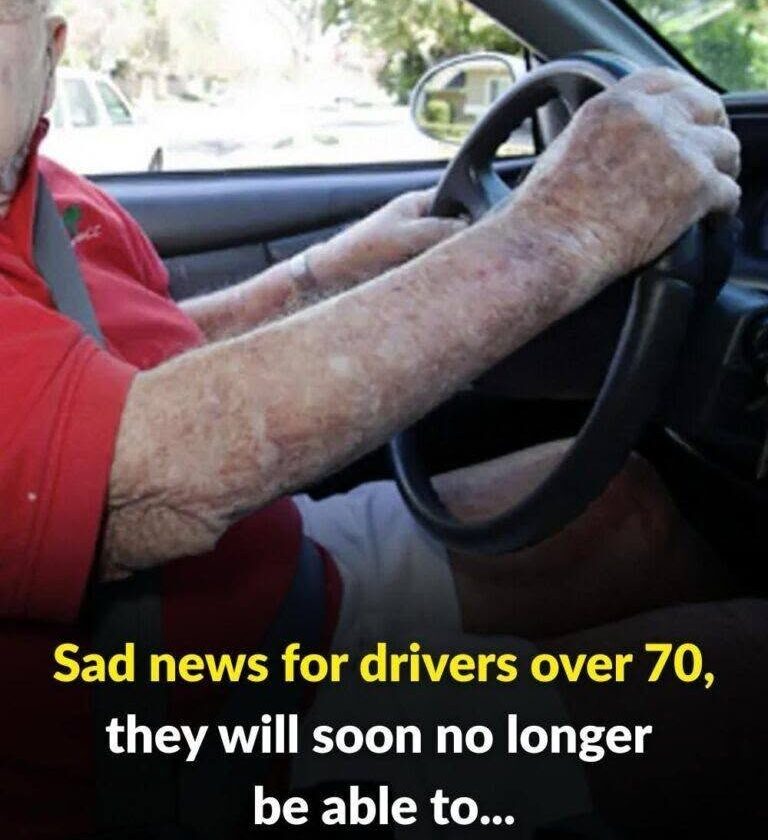
Headlines like “Sad news for drivers over 70, they will soon no longer be able to…” are often designed to grab attention. In most cases, they leave out important details or exaggerate proposed changes to driving rules.
The truth is that there is no universal rule that people over 70 automatically lose their driver’s license. Driving regulations vary by country, state, or province, and many older adults continue to drive safely for years.
Let’s look at the facts.
🚗 Do Drivers Automatically Lose Their License at 70?
No.
In most countries, turning 70 does not automatically mean you must stop driving.
Many people in their 70s, 80s, and even 90s continue driving safely because they:
- Have good eyesight
- Have good reaction times
- Manage their medical conditions
- Continue to meet licensing requirements
Age alone is not considered proof that someone is an unsafe driver.
📋 Why Some Places Have Extra Rules for Older Drivers
As people age, certain medical conditions become more common, such as:
- Reduced vision
- Hearing loss
- Arthritis
- Slower reaction times
- Memory problems
- Side effects from medications
Because of this, some governments require more frequent license renewals or health checks for older drivers.
The purpose is to improve road safety—not to punish older adults.
🌍 Rules Depend on Where You Live
Different countries have different requirements.
Examples include:
- More frequent license renewal after a certain age
- Vision tests
- Medical examinations if a health condition affects driving
- In some places, road tests only if there are concerns about driving ability
Many regions have no special testing based solely on age.
👁️ Common Health Checks Older Drivers May Need
Depending on local laws, drivers may be asked to complete:
Vision Test
Checks:
- Distance vision
- Peripheral vision
- Ability to read road signs
Good eyesight is one of the most important requirements for safe driving.
Medical Evaluation
A doctor may evaluate conditions such as:
- Heart disease
- Neurological disorders
- Diabetes
- Sleep disorders
- Seizure disorders
The goal is to determine whether these conditions interfere with safe driving.
Cognitive Assessment
Sometimes recommended if there are concerns about:
- Memory
- Judgment
- Decision-making
- Confusion
Most older adults never need this unless symptoms suggest a problem.
🚦When Someone Should Consider Driving Less
Age itself isn’t the issue.
However, it may be time to reconsider driving if someone experiences:
- Frequent close calls
- Difficulty seeing traffic signs
- Getting lost on familiar roads
- Confusing the brake and accelerator
- Several recent accidents
- Advice from a healthcare professional that driving is no longer safe
These concerns can happen at many ages—not just after 70.
🛡️ Tips for Driving Safely After 70
Many seniors remain excellent drivers by:
- Having regular eye examinations
- Wearing the correct prescription glasses
- Managing chronic medical conditions
- Reviewing medications with their doctor
- Avoiding driving when tired or unwell
- Driving during daylight when possible
- Avoiding severe weather or heavy traffic if it causes stress
❤️ The Positive News
Research often shows that many older drivers compensate for age-related changes by:
- Driving more cautiously
- Avoiding unnecessary risks
- Obeying speed limits
- Leaving greater following distances
Experience can be a significant advantage on the road.
⚠️ Beware of Clickbait Headlines
Articles with titles like:
- “Drivers over 70 will soon no longer be able to drive!”
- “New law ends driving for seniors!”
- “Millions of seniors will lose their licenses!”
often exaggerate proposed rules or describe changes that apply only in one country or region.
Always check:
- Which country or state the article refers to
- Whether the rule is already in effect or only proposed
- Whether it applies to everyone or only to drivers with certain medical conditions
📌 Key Takeaway
Turning 70 does not automatically mean you must stop driving. In many places, older drivers simply renew their licenses more often or complete vision or medical checks to ensure they can continue driving safely.
Whether someone can keep driving depends on their individual health, vision, and ability to drive safely—not their age alone.