A dry mouth during sleep is common and can have many causes. Here are eight possible reasons:
- Sleeping with your mouth open
Breathing through your mouth allows saliva to evaporate, leaving your mouth dry by morning. - Nasal congestion
Allergies, a cold, or a blocked nose can force you to breathe through your mouth while sleeping. - Dehydration
Not drinking enough fluids during the day, sweating excessively, or consuming alcohol can reduce saliva production. - Medications
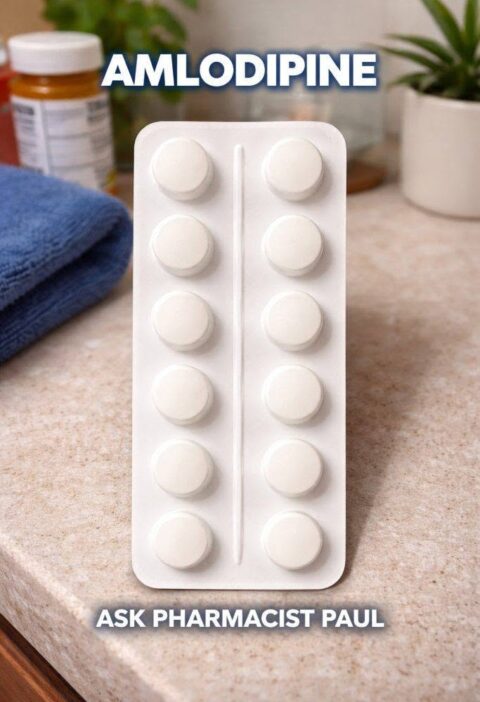
Many medications list dry mouth as a side effect, including some:- Antihistamines
- Antidepressants
- Blood pressure medications
- Diuretics
- Certain pain medications
- Snoring or sleep apnea
Frequent snoring or Obstructive sleep apnea can increase mouth breathing and contribute to dryness. If you also experience loud snoring, gasping during sleep, or excessive daytime sleepiness, it’s worth discussing with a healthcare professional. - Medical conditions
Certain health conditions can reduce saliva production, including:- Sjögren syndrome
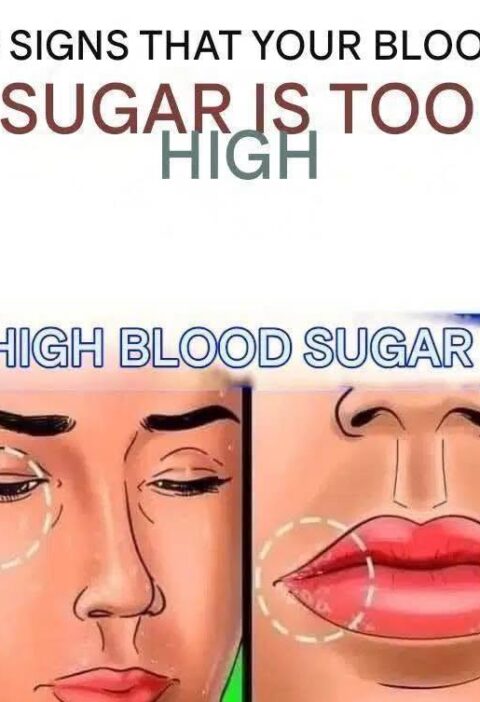
- Diabetes mellitus
- Some neurological disorders
- Smoking or vaping
Tobacco and nicotine products can dry out the mouth and decrease saliva flow. - Dry bedroom air
Sleeping in a room with low humidity, especially during winter or when air conditioning is running, can contribute to overnight dry mouth.
What can help?
- Drink enough water throughout the day.
- Treat nasal congestion if it’s causing mouth breathing.
- Avoid alcohol and tobacco before bedtime.
- Consider using a humidifier if your bedroom air is very dry.
- Review your medications with your healthcare provider if dry mouth started after beginning a new prescription.
- Maintain good oral hygiene and have regular dental checkups, since chronic dry mouth increases the risk of cavities and gum disease.
If your dry mouth is severe, persists for several weeks, causes difficulty swallowing or speaking, or is accompanied by symptoms such as excessive thirst, swollen salivary glands, or frequent nighttime awakenings, it’s a good idea to see a healthcare professional to identify the underlying cause.