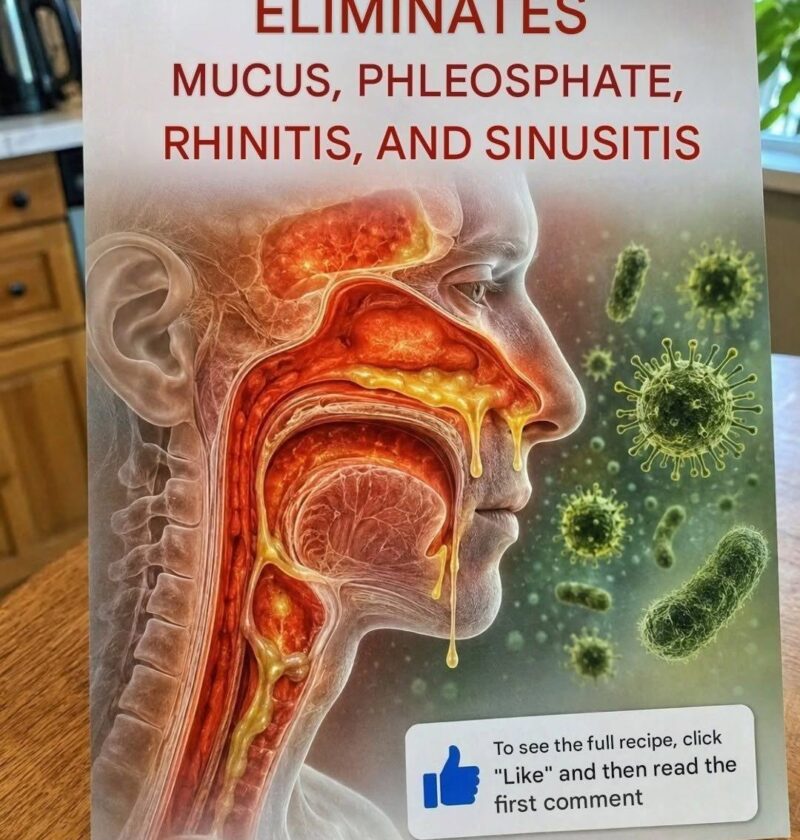
This Home Remedy Surprises Everyone: It May Help Relieve Mucus, Phlegm, and Rhinitis—And It’s Simpler Than You Think!
When you’re dealing with a stuffy nose, excess mucus, persistent phlegm, or the sneezing and congestion of rhinitis, it’s natural to look for simple home remedies that can provide relief. While there is no natural remedy that instantly “cures” mucus or rhinitis, several safe, evidence-based approaches may help ease symptoms and support your body’s natural recovery.
In this article, we’ll explore practical home remedies, explain how they work, and discuss when it’s time to seek medical care.
Understanding Mucus, Phlegm, and Rhinitis
Although people often use these terms interchangeably, they are slightly different.
Mucus
Mucus is a slippery substance naturally produced by the nose, sinuses, throat, and lungs. It helps:
- Trap dust and allergens
- Capture bacteria and viruses
- Keep airways moist
- Protect the respiratory system
Your body produces mucus every day—even when you’re healthy.
Phlegm
Phlegm is a type of mucus produced in the lungs and lower airways.
It often increases during:
- Colds
- Influenza
- Bronchitis
- Allergies
- Certain chronic lung conditions
Rhinitis
Rhinitis refers to inflammation of the lining of the nose.
Common symptoms include:
- Sneezing
- Runny nose
- Nasal congestion
- Itchy nose
- Postnasal drip
Rhinitis may be caused by:
- Allergies
- Viral infections
- Irritants such as smoke
- Changes in temperature
A Surprisingly Simple Home Remedy: Warm Steam
One of the oldest and most effective home remedies is warm steam.
While steam doesn’t cure infections, it can help:
- Loosen thick mucus
- Moisturize dry nasal passages
- Make congestion feel less uncomfortable
- Ease nasal blockage temporarily
How to Use Steam Safely
You can:
- Take a warm shower.
- Sit in a steamy bathroom.
- Use a bowl of warm (not boiling) water and breathe the steam gently.
Avoid placing your face over boiling water, as this can cause burns.
1. Drink Plenty of Fluids 💧
Staying hydrated helps keep mucus thinner and easier to clear.
Good choices include:
- Water
- Warm herbal teas
- Clear soups
- Broth
Warm beverages may also soothe an irritated throat caused by postnasal drip.
2. Saline Nasal Rinse
A saline (saltwater) rinse is one of the most effective non-medicated ways to relieve nasal congestion.
Benefits include:
- Washing away allergens
- Removing excess mucus
- Moisturizing nasal passages
- Improving breathing
Use only sterile, distilled, or previously boiled and cooled water when preparing a homemade saline rinse.
3. Honey for Cough (Adults and Children Over 1 Year)
Honey has soothing properties and may help calm a cough caused by throat irritation or postnasal drip.
A simple option is:
- One teaspoon of honey
- Mixed into warm water or herbal tea
Do not give honey to infants under 12 months of age because of the risk of infant botulism.
4. Warm Lemon and Honey Drink
Many people find comfort from a warm drink made with:
- Warm water
- Fresh lemon juice
- Honey
While this won’t eliminate mucus, it may:
- Soothe the throat
- Encourage hydration
- Make swallowing more comfortable
5. Ginger Tea
Ginger has natural anti-inflammatory properties and may help soothe throat irritation.
To prepare:
- Slice fresh ginger.
- Simmer it in water for 10–15 minutes.
- Add honey if desired.
Some people also find the warmth helpful for relieving congestion.
6. Eat Warm Soups
Chicken soup has long been a favorite home remedy.
Warm soups may help by:
- Providing fluids
- Moisturizing airways
- Supporting hydration
- Offering comforting nutrition during illness
7. Use a Humidifier
Dry indoor air can worsen nasal irritation.
A clean humidifier may help:
- Keep nasal passages moist
- Reduce irritation
- Improve comfort during sleep
Clean the humidifier regularly to prevent mold and bacteria growth.
8. Avoid Irritants
Some substances can increase mucus production or worsen rhinitis.
Try to avoid:
- Cigarette smoke
- Strong perfumes
- Air pollution
- Dust
- Chemical fumes
Reducing exposure can significantly improve symptoms, especially if allergies are involved.
Foods That May Help Support Recovery
Although no food “melts away” mucus, nutritious foods support your immune system.
Consider including:
Fruits
- Oranges
- Berries
- Kiwi
These provide vitamin C and antioxidants.
Vegetables
- Bell peppers
- Broccoli
- Spinach
Rich in vitamins and fiber.
Protein
- Chicken
- Fish
- Eggs
- Beans
Protein supports tissue repair and immune function.
Common Myths About Mucus
Myth: Milk always increases mucus.
Research has not consistently shown that milk causes the body to produce more mucus. Some people may feel that dairy leaves a coating in the mouth, but this is different from increasing mucus production.
Myth: Antibiotics cure every case of mucus.
Most cases of excess mucus during a cold are caused by viruses, and antibiotics do not treat viral infections. Antibiotics are only effective against bacterial infections and should be used only when prescribed.
Myth: Green mucus always means you need antibiotics.
Green or yellow mucus often reflects the body’s immune response and does not automatically indicate a bacterial infection. The overall pattern of symptoms, their duration, and a healthcare evaluation are more important than mucus color alone.
When to See a Doctor
Seek medical advice if:
- Symptoms last longer than 10–14 days.
- You have a high fever.
- Thick mucus is accompanied by severe facial pain.
- You experience difficulty breathing.
- Symptoms repeatedly return.
- You cough up blood.
- You have persistent wheezing or chest pain.
These symptoms may indicate a condition that requires medical evaluation.
Frequently Asked Questions
Does lemon dissolve mucus?
No. Lemon does not dissolve mucus, but warm lemon water can encourage hydration and soothe the throat, making symptoms feel more manageable.
Is steam a cure for congestion?
No. Steam provides temporary relief by moisturizing the nasal passages and loosening mucus, but it does not treat the underlying cause of an infection or allergy.
Can home remedies replace allergy medication?
Not always. If rhinitis is caused by allergies, avoiding triggers and using treatments recommended by a healthcare professional may provide better symptom control than home remedies alone.
Final Thoughts
The “simple home remedy” for mucus, phlegm, and rhinitis isn’t a miracle cure—it’s a combination of warm steam, good hydration, saline nasal rinses, soothing warm drinks, and avoiding irritants. These approaches can help loosen mucus, ease congestion, and improve comfort while your body recovers.
If symptoms are severe, persist for more than a couple of weeks, or are accompanied by high fever, shortness of breath, or significant facial pain, seek medical care. Home remedies are best used as supportive measures alongside appropriate treatment when needed, helping you breathe a little easier and feel more comfortable during recovery.