Is Your Liver Giving You Warning Signs? Understanding Symptoms That May Indicate Liver Disease
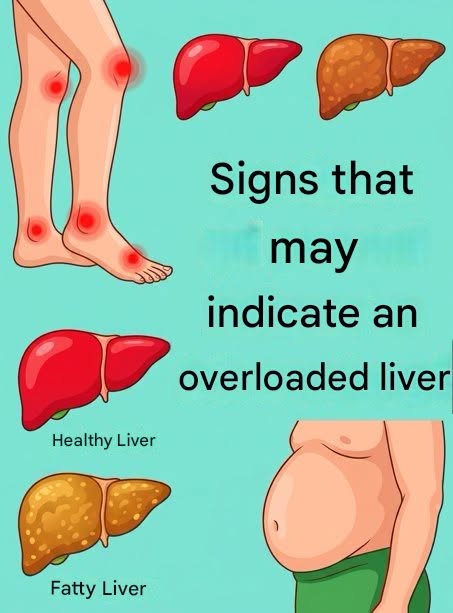
Articles claiming that “11 signs betray a toxic liver overload” are common online, but the phrase “toxic overload” is not a recognized medical diagnosis. The liver is naturally responsible for processing medications, alcohol, and waste products, and there is no scientific evidence that it routinely becomes “clogged with toxins” in the way these articles often suggest.
That said, liver disease can cause warning signs, especially when the liver is inflamed, injured, or not functioning properly. Some symptoms are nonspecific and can have many causes, while others require prompt medical attention.
Important: Many liver diseases cause no symptoms at all in their early stages. Routine blood tests or imaging may detect problems before symptoms develop.
What Does the Liver Do?
The liver is one of the body’s most important organs. It:
- Filters blood from the digestive tract.
- Produces bile to help digest fats.
- Stores vitamins, minerals, and glycogen (stored glucose).
- Processes nutrients from food.
- Breaks down medications and alcohol.
- Produces proteins involved in blood clotting.
- Helps regulate cholesterol and blood sugar.
- Supports immune function.
Because it performs so many vital functions, liver disease can affect many parts of the body.
1. Persistent Fatigue
What you may notice
- Feeling unusually tired
- Low energy
- Difficulty concentrating
- General weakness
Fatigue is one of the most common symptoms reported by people with chronic liver disease.
However, it is also one of the least specific symptoms. Fatigue can result from:
- Poor sleep
- Stress
- Thyroid disorders
- Anemia
- Depression
- Heart disease
- Many other medical conditions
By itself, fatigue does not indicate a “toxic liver.”
2. Yellowing of the Skin or Eyes (Jaundice)
This is one of the most important warning signs of liver dysfunction.
Why it happens
The liver normally processes bilirubin, a yellow pigment produced when red blood cells break down.
If bilirubin builds up, you may develop:
- Yellow skin
- Yellow whites of the eyes
- Dark urine
- Pale or clay-colored stools
Jaundice can be caused by:
- Hepatitis
- Cirrhosis
- Blocked bile ducts
- Gallstones
- Certain cancers
- Some inherited conditions
Jaundice always warrants prompt medical evaluation.
3. Itchy Skin
Persistent itching can occur when bile flow is impaired, allowing bile-related substances to accumulate in the body.
The itching may:
- Affect the entire body
- Be worse at night
- Occur without a visible rash
Itching has many other possible causes, including dry skin, allergies, eczema, kidney disease, and certain medications.
4. Abdominal Pain or Swelling
Pain related to the liver is usually felt in the upper right side of the abdomen.
Swelling may result from fluid accumulation in the abdomen (ascites), which can occur in advanced liver disease.
Seek medical care if you develop:
- Severe abdominal pain
- Rapidly increasing abdominal swelling
- Fever with abdominal swelling
5. Swelling of the Legs or Ankles
Advanced liver disease can reduce the production of proteins such as albumin, contributing to fluid leakage into tissues.
This may cause:
- Swollen ankles
- Swollen feet
- Lower-leg swelling
Heart failure, kidney disease, certain medications, and prolonged standing can also cause leg swelling.
6. Easy Bruising or Bleeding
The liver produces many proteins needed for normal blood clotting.
When liver function declines, some people may notice:
- Frequent nosebleeds
- Bleeding gums
- Bruising more easily than usual
- Bleeding that is difficult to stop
These symptoms should be evaluated by a healthcare professional, as they can also result from blood disorders or medications such as blood thinners.
7. Dark Urine
Urine that is dark brown or tea-colored can occur when excess bilirubin is excreted by the kidneys.
However, dark urine may also result from:
- Dehydration
- Certain foods
- Vitamins
- Some medications
- Blood in the urine
If dark urine occurs along with jaundice, pale stools, or abdominal pain, seek medical evaluation promptly.
8. Pale or Clay-Colored Stools
Healthy bile gives stool its typical brown color.
If bile cannot reach the intestines, stools may become:
- Pale
- Gray
- Clay-colored
This can occur with:
- Blocked bile ducts
- Liver disease
- Gallbladder disorders
Persistent pale stools should be assessed by a healthcare provider.
9. Nausea or Loss of Appetite
People with liver disease may experience:
- Reduced appetite
- Feeling full quickly
- Nausea
- Occasional vomiting
These symptoms are common in many illnesses, including stomach infections, medication side effects, and digestive disorders, so they are not specific to liver disease.
10. Confusion or Difficulty Thinking
In advanced liver disease, toxins that are normally processed by the liver can accumulate in the bloodstream and affect brain function, a condition called hepatic encephalopathy.
Symptoms can include:
- Confusion
- Personality changes
- Difficulty concentrating
- Excessive sleepiness
- Memory problems
- In severe cases, coma
This is a medical emergency and requires immediate treatment.
11. Unexplained Weight Loss
Unexpected weight loss can occur in chronic liver disease, particularly when appetite is reduced or advanced disease affects metabolism.
Unintentional weight loss should always be evaluated, as it can also be caused by infections, endocrine disorders, gastrointestinal diseases, or cancer.
Common Causes of Liver Disease
Liver disease has many possible causes, including:
- Excessive alcohol use
- Viral hepatitis (such as hepatitis B and hepatitis C)
- Nonalcoholic fatty liver disease (NAFLD) and metabolic dysfunction-associated steatotic liver disease (MASLD), which are associated with obesity, type 2 diabetes, and metabolic risk factors
- Certain medications or supplements
- Autoimmune liver diseases
- Genetic disorders
- Some toxins or poisonous substances
Who Is at Higher Risk?
Risk factors include:
- Heavy alcohol consumption
- Obesity
- Type 2 diabetes
- High cholesterol or triglycerides
- Viral hepatitis infection
- Family history of liver disease
- Long-term use of certain medications
- Exposure to certain industrial chemicals
Having one or more risk factors does not necessarily mean you have liver disease, but it may warrant regular medical follow-up.
When Should You Seek Immediate Medical Care?
Seek urgent medical attention if you develop:
- Yellowing of the skin or eyes
- Severe abdominal pain
- Vomiting blood or passing black, tarry stools
- Confusion, extreme drowsiness, or difficulty staying awake
- Rapid abdominal swelling
- High fever with jaundice
- Severe bleeding that does not stop
These symptoms may indicate a serious liver condition or another medical emergency.
How Is Liver Disease Diagnosed?
A healthcare provider may recommend:
- Blood tests to assess liver function and look for inflammation
- Tests for viral hepatitis
- Ultrasound, CT scan, or MRI of the liver
- Fibrosis assessment (to estimate scarring)
- In some cases, a liver biopsy
Diagnosis depends on the suspected cause and your medical history.
Can You Keep Your Liver Healthy?
While there is no need for “detox” cleanses, you can support liver health by:
- Limiting or avoiding alcohol if advised.
- Maintaining a healthy weight.
- Eating a balanced diet rich in vegetables, fruits, whole grains, lean proteins, and healthy fats.
- Exercising regularly.
- Managing diabetes, blood pressure, and cholesterol.
- Taking medications only as directed and discussing supplements with your healthcare provider, as some can harm the liver.
- Getting vaccinated against hepatitis A or B if recommended for you.
- Avoiding exposure to bloodborne viruses by following safe practices.
Bottom Line
The concept of a “toxic liver overload” is not supported by medical evidence, but the liver can develop diseases that produce important warning signs. Symptoms such as jaundice, persistent itching, abdominal swelling, easy bruising, pale stools, dark urine, and confusion deserve prompt medical evaluation, especially when they occur together. Because many liver diseases are silent in their early stages, regular checkups and appropriate testing are often the best way to detect problems before serious symptoms appear. If you experience signs that suggest liver disease or have risk factors such as heavy alcohol use, viral hepatitis, obesity, or diabetes, consult a healthcare professional rather than relying on detox products or home remedies.