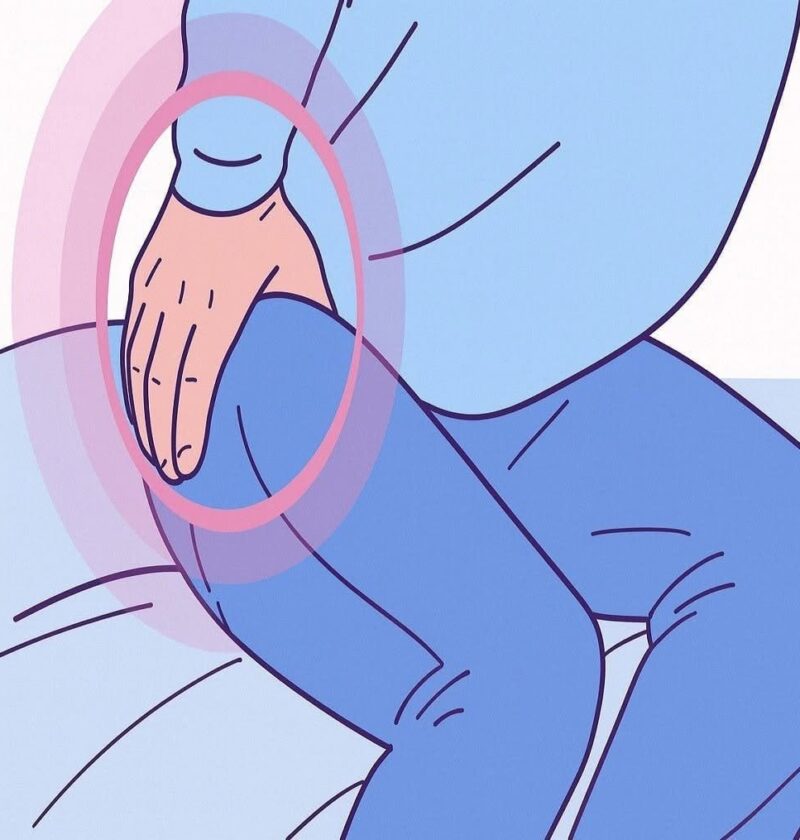
If you have hip pain, it’s a clear sign that something in or around the hip joint may need attention, but it does not point to one single cause. Hip pain can come from the hip joint itself, surrounding muscles and tendons, nerves, the lower back, or even conditions affecting bones and circulation.
Common possibilities include:
1. Muscle or tendon strain
- Often happens after exercise, lifting, long walks, or sudden movement.
- Pain may be felt on the outside of the hip or buttocks.
- Usually worsens with certain movements or pressure on the area.
2. Hip osteoarthritis (wear-and-tear changes)
- A common cause of hip pain, especially with age.
- Signs may include:
- Stiffness after sitting or waking up
- Pain during walking or climbing stairs
- Reduced range of motion
- Groin or front-of-hip pain
3. Bursitis (inflammation of the fluid sacs around the hip)
- Often causes pain on the outer side of the hip.
- May hurt when lying on that side.
- Can be related to overuse or repetitive activity.
4. Nerve-related pain
- Problems in the lower back (such as a pinched nerve) can cause pain that travels into the hip, buttock, or leg.
- May include tingling, numbness, or burning sensations.
5. Hip injury or fracture
- Sudden severe hip pain after a fall or accident can indicate a serious injury.
- Difficulty standing or putting weight on the leg requires urgent evaluation.
6. Inflammatory or medical conditions
Some conditions, such as inflammatory arthritis or infections, can affect the hip and may cause:
- Persistent pain
- Swelling
- Fever
- Feeling unwell
Signs you should seek medical care promptly
Get medical advice if hip pain:
- Appears suddenly and is severe
- Follows a fall or injury
- Prevents walking or bearing weight
- Comes with fever, redness, or swelling
- Causes unexplained weight loss
- Persists for several weeks or keeps worsening
What you can do for mild hip pain
- Avoid activities that clearly worsen the pain.
- Use gentle stretching and low-impact movement.
- Apply ice for recent injuries or heat for stiffness (whichever feels better).
- Maintain a healthy weight to reduce joint stress.
- Consider seeing a healthcare professional if it does not improve.
A hip pain diagnosis depends on where the pain is located (groin, side of hip, buttock, or down the leg), your age, how it started, and what movements trigger it.