If you’re referring to the common gardening claim, the “1 tablespoon directly into the pot” recipe is usually based on a homemade fertilizer. Many versions circulate online, but their effectiveness varies depending on the plant and the ingredient used. Here’s a detailed explanation of one of the most common recipes and what it actually does.
1 Tablespoon into the Pot: Homemade Rice Fertilizer
This is one of the most widely shared recipes for encouraging healthy growth and flowering.
Ingredients
- 1 tablespoon uncooked white or brown rice
- 2 cups (500 ml) water
Equipment
- A glass jar or bowl
- Fine strainer or cheesecloth
- Watering can or cup
Preparation
- Place 1 tablespoon of rice into a clean jar.
- Add 2 cups of water.
- Stir well for about one minute.
- Allow the mixture to sit for 30 minutes to several hours.
- Strain out the rice, keeping only the cloudy liquid.
How to Use
- Water the soil around the plant with the rice water.
- Apply approximately 100–250 ml depending on the size of the pot.
- Repeat every 2–4 weeks.
Why People Use It
Rice water contains small amounts of:
- Starch
- Trace minerals
- Small quantities of B vitamins
- Tiny amounts of phosphorus and potassium
These nutrients may support beneficial soil microorganisms, but rice water is not a complete fertilizer.
Alternative “1 Tablespoon” Recipe: Cinnamon
Some people sprinkle:
- 1 tablespoon ground cinnamon on top of the soil.
Claimed Benefits
- May help suppress certain fungi on the soil surface.
- Can reduce damping-off disease in seedlings.
- May discourage mold growth.
Limitations
Cinnamon is not a fertilizer and will not directly make a plant bloom.
Alternative Recipe: Epsom Salt
Another popular version uses:
- 1 tablespoon Epsom salt
- 1 gallon (3.8 L) of water
Instructions
Mix thoroughly and water the plant once every month.
When It Helps
This may benefit plants that are deficient in magnesium.
Important
Most healthy potted plants do not need extra Epsom salt, and using too much can upset the nutrient balance.
Banana Peel Fertilizer
Another common homemade fertilizer uses banana peels.
Ingredients
- 1 banana peel
- 500 ml water
Preparation
- Chop the peel into small pieces.
- Soak in water for 24–48 hours.
- Remove the peel.
- Water the soil with the liquid.
Banana peels provide small amounts of potassium, which is important for flowering, but they are not a substitute for a balanced fertilizer.
What Actually Makes Plants Bloom?
Flowering depends on several factors working together:
- Adequate sunlight: Most flowering plants need 6–8 hours of bright light each day.
- Proper watering: Both overwatering and underwatering can reduce blooms.
- Balanced nutrition: Plants need nitrogen, phosphorus, potassium, and trace elements. A fertilizer formulated for flowering plants often has a higher phosphorus content.
- Healthy roots: Good drainage prevents root rot and supports nutrient uptake.
- Species requirements: Some plants bloom only after a period of cooler temperatures or changes in day length.
No single homemade ingredient can reliably make every plant flower.
Common Mistakes to Avoid
- Pouring undiluted kitchen liquids into pots.
- Adding large amounts of sugar or milk, which can encourage mold or pests.
- Overusing homemade fertilizers, which may cause salt buildup or unpleasant odors.
- Assuming viral social media recipes will work for every plant.
Is the Viral Claim True?
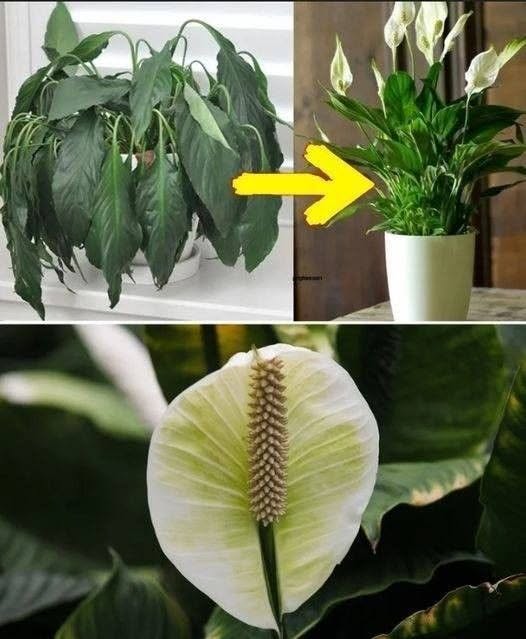
The claim that “1 tablespoon directly into the pot and my poor plant bloomed beautifully again” is an exaggeration. While ingredients such as rice water, diluted banana peel tea, or Epsom salt may provide modest benefits in specific situations, there is no universal one-tablespoon remedy that will revive every struggling plant or guarantee abundant blooms. Consistent care, the right amount of light, appropriate watering, and balanced fertilization are far more important for long-term plant health.