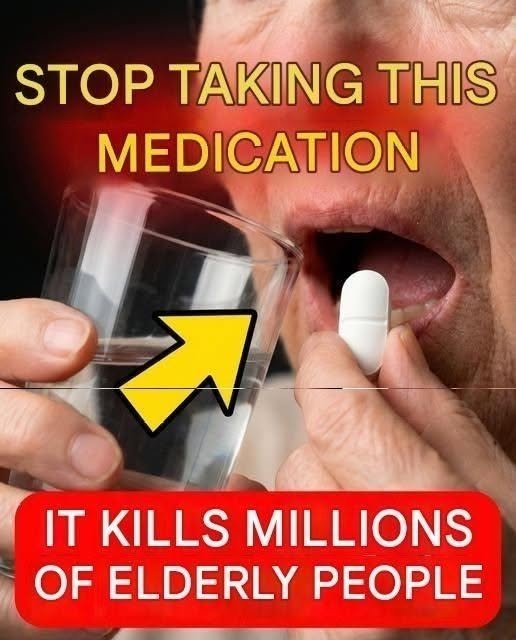
The headline “A cardiologist warns: these 5 medications increase the risk of heart attack and stroke in older people” is partly true but potentially misleading.
Some medications can increase cardiovascular risk in certain older adults, especially if they have existing heart disease, high blood pressure, diabetes, or kidney disease. However, no medication should be considered dangerous for everyone, and people should not stop taking prescribed medicines without consulting their healthcare provider. The risks and benefits depend on the individual’s health, the dose, and the reason the medication was prescribed.
Why older adults may be more vulnerable
As people age:
- The heart and blood vessels become less resilient.
- Kidney and liver function may decline, affecting how drugs are processed.
- Many older adults take multiple medications, increasing the risk of drug interactions.
- Chronic conditions such as hypertension, diabetes, and heart disease become more common.
These factors can make some medicines more likely to cause cardiovascular side effects.
Five types of medications that may increase cardiovascular risk in some older adults
1. Nonsteroidal anti-inflammatory drugs (NSAIDs)
Examples include:
- Ibuprofen
- Naproxen
- Diclofenac
Used for:
- Arthritis
- Muscle pain
- Back pain
- Headaches
Potential risks:
- Raise blood pressure.
- Cause fluid retention.
- Increase the risk of heart attack and stroke, particularly with high doses or long-term use.
- Increase the risk of kidney problems.
People with heart disease or heart failure are often advised to use these medicines cautiously.
2. Certain decongestants
Examples:
- Pseudoephedrine
- Phenylephrine
Found in many cold and flu medicines.
Potential risks:
- Raise blood pressure.
- Increase heart rate.
- Trigger chest pain or abnormal heart rhythms in susceptible individuals.
Older adults with uncontrolled hypertension or heart disease should consult a healthcare professional before using them.
3. Hormone therapies
Examples:
- Estrogen-containing hormone replacement therapy.
Potential risks:
- May increase the risk of blood clots, stroke, or heart attack in some people, depending on age, timing of treatment, and individual risk factors.
The decision to use hormone therapy should be individualized.
4. Some diabetes medications
Certain older diabetes medicines have been associated with cardiovascular concerns, although many newer diabetes medications actually reduce cardiovascular risk.
Treatment should always be tailored to the individual.
5. Certain stimulants
Examples:
- Some medications used for attention-deficit/hyperactivity disorder (ADHD).
- Some weight-loss medications.
Potential risks:
- Increase heart rate.
- Raise blood pressure.
- Potentially increase cardiovascular risk in people with existing heart disease.
Important points
These medications are not unsafe for everyone. Millions of people take them safely under medical supervision.
Risk depends on:
- Age.
- Existing heart disease.
- Blood pressure.
- Kidney function.
- Dosage.
- Duration of use.
- Other medications being taken.
Should you stop taking these medicines?
No.
Stopping prescribed medication without medical advice can be more dangerous than continuing it. For example:
- Suddenly stopping blood pressure medication can cause blood pressure to rise.
- Stopping certain heart medications abruptly can worsen heart disease.
If you’re concerned about a medication, discuss it with your doctor or pharmacist. They can determine whether the benefits outweigh the risks or whether a safer alternative is appropriate.
Bottom line
The headline is partly true. Some medications—including certain NSAIDs, decongestants, hormone therapies, and stimulants—may increase the risk of heart attack or stroke in some older adults, particularly those with existing cardiovascular disease or multiple risk factors. However, these risks vary from person to person, and the medications remain appropriate for many patients when used as directed under medical supervision.