Simple Bay Leaf Trick Can Help Keep Insects Out of Your Home 🌿🏡
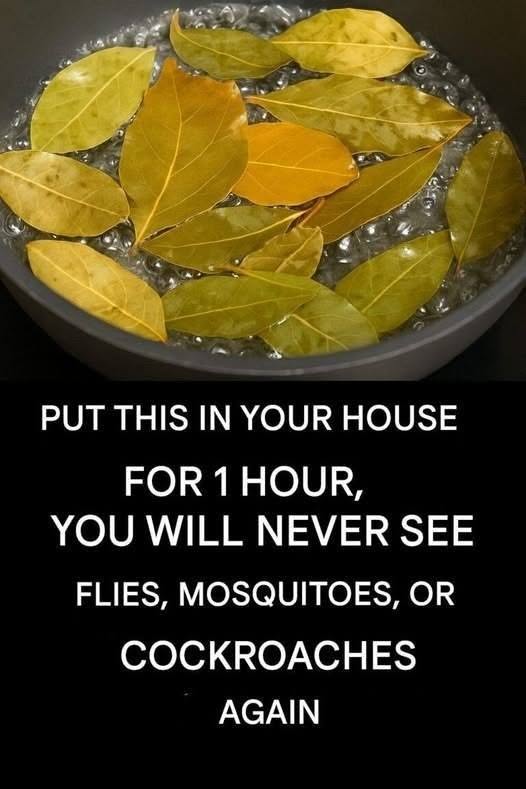
Bay leaves are best known as a flavorful herb used in soups and stews, but they’ve also been used for generations as a natural way to help discourage certain household pests. While bay leaves are not a substitute for professional pest control, some people use them as a low-cost, chemical-free option to help deter insects in areas where food is stored.
The leaves contain aromatic compounds, such as eucalyptol (cineole) and other essential oils, which some insects may find unpleasant. Scientific evidence for their effectiveness in homes is limited, so think of this as a complementary measure rather than a guaranteed solution.
Why Bay Leaves May Help
The strong natural aroma of dried bay leaves may make some areas less attractive to certain pests.
People commonly place bay leaves near:
- Pantry shelves
- Flour and rice containers
- Kitchen cupboards
- Pet food storage
- Trash bins
The scent gradually fades over time, so replacing the leaves regularly is important.
1. May Help Deter Pantry Pests 🐜
Bay leaves are often used in pantries where dry foods are stored.
They may help discourage pests such as:
- Flour beetles
- Grain weevils
- Pantry moths
Place one or two dried bay leaves inside or beside containers of:
- Rice
- Flour
- Pasta
- Oats
- Beans
Avoid placing the leaves directly into food unless you plan to remove them before cooking.
2. Can Freshen Cupboards 🌿
Bay leaves give off a pleasant herbal fragrance that can help cupboards smell fresher.
Replace the leaves every 4–6 weeks or whenever the scent becomes weak.
3. May Help Around Pet Food Storage 🐶
Dry pet food can attract insects.
Place a few bay leaves:
- Near pet food bins
- Inside the storage cabinet (not mixed into the food)
Keep the leaves out of reach of curious pets, as they should not be eaten.
4. Useful Near Trash Areas 🗑️
Trash bins can attract insects, especially in warm weather.
Try placing a few dried bay leaves:
- Under the trash bag
- Near the outside of the bin
- In nearby cabinets
For best results, clean trash bins regularly and empty them often.
5. Can Be Used in Closets or Storage Areas 👕
Some people tuck bay leaves into storage boxes or linen closets for their fresh scent.
If using them near clothing, keep the leaves dry and replace them if they become brittle or moldy.
6. Easy to Use
Simply:
- Choose clean, dry bay leaves.
- Place them where insects are likely to appear.
- Replace them every month or so.
Crushing the leaves slightly may release more aroma, but it can also create small pieces that need cleaning.
7. Combine with Good Housekeeping
Bay leaves work best when paired with good cleaning habits.
Helpful steps include:
✅ Store dry foods in airtight containers.
✅ Wipe up crumbs and spills promptly.
✅ Keep countertops clean.
✅ Empty trash regularly.
✅ Fix leaks that create moisture.
These measures are generally more effective than any single natural remedy.
8. Know Their Limits
Bay leaves are not:
- A proven insecticide
- A way to eliminate an existing infestation
- A replacement for pest management if insects are widespread
If you have a significant infestation of cockroaches, ants, termites, or other pests, identifying the source and using appropriate control methods is usually necessary.
Other Natural Pest-Deterring Herbs
Some people also use:
🌿 Mint
🌿 Lavender
🌿 Rosemary
🌿 Cedar (for clothes storage)
Like bay leaves, these may provide fragrance and may help discourage some insects, but results vary.
Safety Tips
- Keep bay leaves away from small children and pets who might chew on them.
- Don’t rely on herbs alone if food is becoming contaminated by pests.
- Inspect pantry items regularly for signs of insects, such as webbing, larvae, or tiny holes in packaging.
Final Takeaway
Bay leaves are an inexpensive, natural household trick that may help discourage certain pantry insects thanks to their aromatic oils. While they aren’t a guaranteed pest-control solution, they can be a useful addition to a clean, well-maintained home.
For the best results:
✅ Replace bay leaves every few weeks.
✅ Store food in airtight containers.
✅ Keep pantry shelves clean and dry.
✅ Address any signs of a larger pest problem promptly.
With these simple habits, you can help keep your kitchen cleaner, fresher, and less inviting to unwanted insects. 🌿🏡