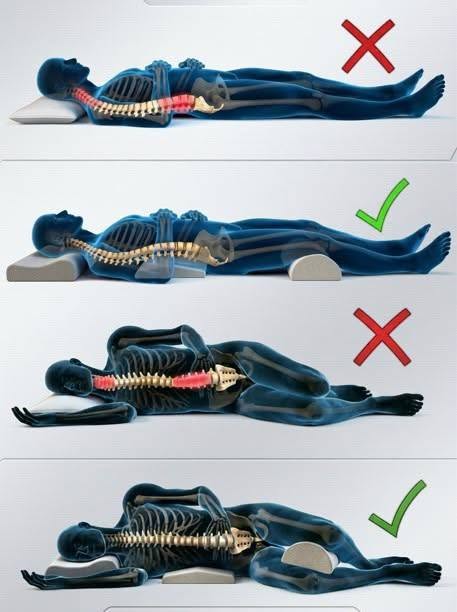
Do You Sleep in the Right Position? The Surprising Impact of Your Nighttime Posture on Your Health
The position you sleep in each night can affect more than just your comfort. It may influence your breathing, spinal alignment, digestion, and even the quality of your sleep. While there is no single “perfect” sleeping position for everyone, understanding the benefits and drawbacks of each can help you wake up feeling more rested and reduce aches and pains.
Side Sleeping: A Popular Choice
Sleeping on your side is one of the most commonly recommended positions. It helps keep the spine relatively aligned and may reduce snoring by keeping the airway open. Side sleeping is also often recommended during pregnancy because it can improve blood flow to both the mother and baby.
For people with acid reflux, sleeping on the left side may help reduce nighttime symptoms by making it more difficult for stomach acid to flow back into the esophagus.
However, sleeping on one side all night can sometimes lead to shoulder or hip discomfort. Using a supportive pillow between your knees can help maintain better spinal alignment and reduce pressure on your joints.
Back Sleeping: Good for Spinal Support
Sleeping on your back allows your head, neck, and spine to rest in a neutral position when you use a supportive pillow. This can help reduce pressure points and may prevent certain types of neck and back pain.
The downside is that back sleeping can make snoring worse and may contribute to obstructive sleep apnea in some people because gravity can allow the tongue and soft tissues to partially block the airway.
Placing a small pillow under your knees may help maintain the natural curve of your lower back.
Stomach Sleeping: Comfortable for Some, Challenging for Others
Although some people find stomach sleeping comfortable, it is generally the least recommended position. It often forces the neck to remain twisted for long periods and can place extra stress on the lower back.
If you prefer sleeping on your stomach, using a very thin pillow—or no pillow under your head—and placing a pillow beneath your hips may reduce strain on your spine.
Choosing the Right Pillow and Mattress
Your sleep position works together with your pillow and mattress. Side sleepers usually benefit from a thicker pillow that fills the space between the shoulder and head, while back sleepers often need a medium-height pillow to support the neck. A mattress that supports the natural curves of your body without excessive sinking can also improve sleep quality.
When to Consider Changing Your Sleep Position
You may benefit from adjusting your sleep posture if you regularly experience:
- Neck or back pain upon waking
- Frequent snoring
- Acid reflux during the night
- Shoulder or hip discomfort
- Numbness or tingling in your arms
Changing sleep habits takes time. Small adjustments, such as using supportive pillows or gradually transitioning to a different position, are often easier than trying to change overnight.
The Bottom Line
The best sleeping position is one that allows you to sleep comfortably while supporting your body’s natural alignment. Side sleeping is often a good choice for many people, especially those who snore or experience acid reflux. Back sleeping can be beneficial for spinal support, while stomach sleeping is generally the least favorable due to the extra strain it can place on the neck and back.
If you have persistent pain, severe snoring, or symptoms of sleep apnea, it’s a good idea to discuss them with a healthcare professional, as your sleep position may be only one part of the overall picture.