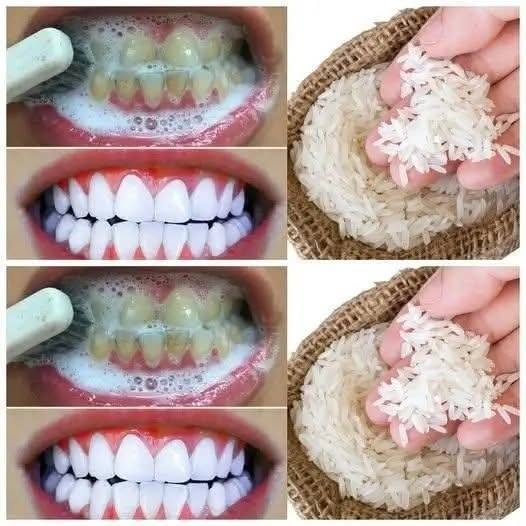
Claims like “my teeth got whiter instantly” from a 1-minute kitchen remedy are usually exaggerated. Many popular DIY whitening methods can be ineffective or even damage tooth enamel.
Here’s what you should know:
Common kitchen ingredients
Baking soda
- Baking soda is a mild abrasive that can help remove some surface stains from teeth.
- It does not bleach teeth or dramatically whiten them in one minute.
- Use it only occasionally, as frequent abrasive brushing may wear down enamel over time.
Hydrogen peroxide
- Low-concentration hydrogen peroxide is an ingredient in many commercial whitening products.
- Using household hydrogen peroxide without proper guidance is not the same as using a professionally formulated whitening product.
Lemon juice, vinegar, or other acidic ingredients
- These are not recommended for whitening.
- The acid can erode tooth enamel, increasing the risk of sensitivity and cavities.
Activated charcoal
- There’s little high-quality evidence that it whitens teeth effectively.
- Its abrasive nature may wear away enamel with repeated use.
What actually works
The most effective and evidence-based ways to whiten teeth include:
- Whitening toothpastes (for removing surface stains)
- Over-the-counter whitening strips or gels containing approved whitening agents
- Professional whitening treatments provided by a dentist
Tips for a brighter smile
- Brush twice a day with fluoride toothpaste.
- Floss daily.
- Limit foods and drinks that stain teeth, such as coffee, tea, and red wine.
- Don’t smoke or use tobacco products.
- Have regular dental checkups and cleanings.
If your teeth suddenly change color, become painful, or develop dark spots, it’s a good idea to see a dentist, as discoloration can sometimes be caused by tooth decay, trauma, or other dental conditions rather than surface staining.