High blood sugar (hyperglycemia) occurs when there is too much glucose in the bloodstream. It is most commonly associated with Diabetes, but it can also happen because of stress, illness, certain medications, or hormonal disorders. Recognizing the warning signs early can help prevent serious complications.
1. Excessive Thirst (Polydipsia)
One of the earliest and most common symptoms is feeling unusually thirsty, even after drinking plenty of water.
Why it happens:
- High blood sugar causes the kidneys to remove excess glucose through urine.
- This leads to increased fluid loss and dehydration.
- The brain responds by triggering thirst.
What to watch for:
- Constant dry mouth
- Drinking water frequently
- Thirst that doesn’t improve
2. Frequent Urination (Polyuria)
People with high blood sugar often urinate much more than usual, especially during the night.
Why it happens:
- Excess glucose enters the urine.
- Water follows the glucose, increasing urine production.
Signs include:
- Waking several times at night to urinate
- Large amounts of urine
- Feeling dehydrated afterward
3. Constant Hunger (Polyphagia)
Even after eating, you may still feel hungry.
Why it happens:
- Without enough effective insulin, glucose cannot enter cells efficiently.
- Cells lack energy and signal the brain to increase food intake.
Possible effects:
- Eating larger meals
- Frequent snacking
- Hunger returning quickly
4. Fatigue and Low Energy
Persistent tiredness is another hallmark symptom.
Why it happens:
- Cells cannot use glucose effectively for energy.
- Dehydration also contributes to fatigue.
Symptoms:
- Feeling exhausted after simple activities
- Difficulty concentrating
- Low motivation
5. Blurred Vision
High blood sugar can temporarily affect eyesight.
Why it happens:
- Extra glucose causes fluid shifts in the lens of the eye.
- This changes its shape and focusing ability.
Watch for:
- Difficulty reading
- Blurry vision
- Vision that fluctuates during the day
If untreated over time, high blood sugar can increase the risk of eye damage.
6. Slow-Healing Cuts and Wounds
Minor injuries may take much longer to heal.
Reasons include:
- Poor circulation
- Reduced immune function
- Damage to small blood vessels
Common examples:
- Cuts
- Blisters
- Surgical wounds
- Foot sores
7. Frequent Infections
High glucose levels encourage the growth of bacteria and fungi.
Common infections include:
- Urinary tract infections
- Skin infections
- Gum infections
- Yeast infections
People may notice infections occurring more often or taking longer to resolve.
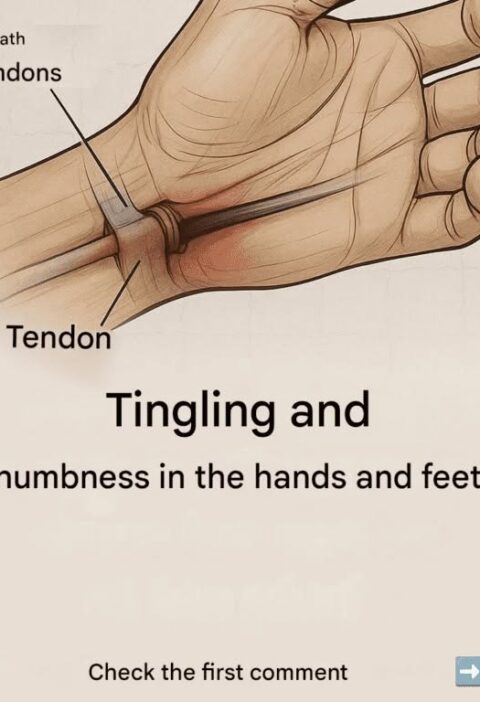
8. Tingling or Numbness in Hands and Feet
Persistently high blood sugar can damage nerves.
Symptoms include:
- Pins-and-needles sensation
- Burning pain
- Numbness
- Increased sensitivity to touch
This may be an early sign of diabetic nerve damage if high blood sugar has been present for a long time.
9. Dry, Itchy Skin
Dehydration and poor circulation often affect the skin.
Signs:
- Rough skin
- Persistent itching
- Cracked skin
- Skin infections
Good hydration and blood sugar management can help reduce these symptoms.
10. Unexplained Weight Loss
Unexpected weight loss may occur, particularly when blood sugar is very high.
Why it happens:
- The body cannot use glucose properly.
- It begins breaking down fat and muscle for energy.
- Calories are also lost through glucose in the urine.
Rapid, unexplained weight loss should be evaluated by a healthcare professional.
11. Headaches
High blood sugar may cause headaches in some people.
Possible reasons:
- Dehydration
- Changes in blood vessels
- Fluctuating glucose levels
Headaches may improve once blood sugar returns to a healthier range.
12. Fruity-Smelling Breath and Confusion (Medical Emergency)
Very high blood sugar can lead to a dangerous condition called Diabetic ketoacidosis, especially in people with Type 1 Diabetes.
Emergency warning signs:
- Fruity or acetone-like breath
- Rapid, deep breathing
- Severe nausea and vomiting
- Abdominal pain
- Confusion
- Extreme drowsiness
- Loss of consciousness
This requires immediate emergency medical care.
When to Seek Medical Attention
Contact a healthcare professional if you experience:
- Persistent excessive thirst and frequent urination
- Unexplained weight loss
- Repeated infections
- Blurred vision
- Symptoms lasting several days
Seek emergency care immediately if you develop:
- Confusion
- Difficulty staying awake
- Fruity-smelling breath
- Severe vomiting
- Rapid or labored breathing
Risk Factors for High Blood Sugar
You may be at higher risk if you have:
- Prediabetes
- Type 1 Diabetes or Type 2 Diabetes
- A family history of diabetes
- Excess body weight
- Physical inactivity
- Certain medications, such as corticosteroids
- Significant illness or infection
Preventing High Blood Sugar
Healthy habits can help reduce the risk of persistent high blood sugar:
- Eat a balanced diet rich in vegetables, whole grains, lean proteins, and healthy fats.
- Limit sugary drinks and highly processed foods.
- Exercise regularly, aiming for at least 150 minutes of moderate activity per week unless advised otherwise.
- Stay well hydrated.
- Maintain a healthy weight.
- Monitor blood sugar if recommended by your healthcare provider.
- Take diabetes medications or insulin exactly as prescribed.
Early recognition of these symptoms and timely medical evaluation can help prevent complications and support better long-term health. If you notice several of these symptoms together, especially excessive thirst, frequent urination, fatigue, and blurred vision, it’s important to arrange a medical assessment and blood glucose testing promptly.