Sebaceous Cysts Explained: Main Causes and Home Remedy Solutions (Detailed Explanation)
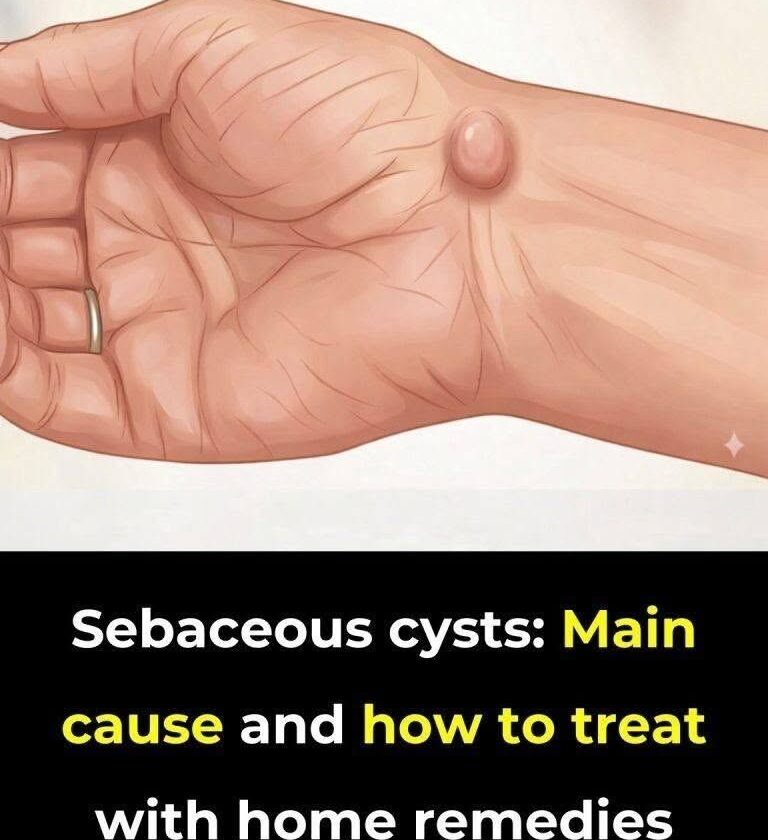
The term “sebaceous cyst” is commonly used to describe a lump under the skin that contains oily or cheesy material. In many cases, what people call a sebaceous cyst is actually an epidermoid cyst or pilar cyst. True sebaceous gland cysts are much less common.
These cysts are usually benign (non-cancerous) and often harmless, but they can become uncomfortable, inflamed, or infected.
What is a sebaceous (epidermoid) cyst?
A cyst is a closed sac beneath the skin that can fill with material.
Common contents include:
- Keratin (a protein found in skin, hair, and nails)
- Oily, thick, white or yellowish material
- Dead skin cells
They often appear as:
- A round lump under the skin
- Smooth and movable when touched
- Slow-growing
- Skin-colored or slightly yellowish
Common locations:
- Face
- Neck
- Scalp
- Back
- Chest
- Genital area
Main causes of sebaceous cysts
1. Blocked skin pores or hair follicles
One of the most common causes is a blockage in a follicle or skin opening.
When skin cells continue producing keratin but cannot escape, they accumulate and form a cyst.
2. Skin injuries
Damage to the skin can sometimes trap skin cells beneath the surface.
Examples:
- Cuts
- Scratches
- Surgical scars
- Trauma
These trapped cells can continue producing material and create a cyst.
3. Overactive or damaged oil glands
Oil glands (sebaceous glands) produce sebum, an oily substance that protects the skin.
If a gland becomes blocked or damaged, material can build up and form a lump.
4. Genetics
Some people are more likely to develop cysts due to inherited conditions.
For example:
- Families with multiple pilar cysts on the scalp.
- Certain genetic skin disorders.
5. Hormonal influences
Hormones can affect oil production and skin cell behavior.
This is why some people notice more skin lumps during periods of hormonal change.
Symptoms of a cyst
A typical cyst may be:
✅ Painless
✅ Slow-growing
✅ Soft or rubbery
✅ Movable under the skin
Sometimes a small central opening called a punctum is visible.
When a cyst becomes a problem
A cyst can become inflamed or infected.
Warning signs include:
- Redness
- Warmth
- Increasing pain
- Swelling
- Tenderness
- Pus or foul-smelling drainage
- Fever
An inflamed cyst may become larger and more painful over a few days.
Home care and remedies
1. Warm compresses (most recommended home approach)
A warm compress can help with discomfort.
How:
- Use a clean cloth soaked in warm water.
- Apply for 10–15 minutes.
- Repeat several times daily.
Benefits:
- Relieves tenderness.
- Encourages natural drainage if the cyst is already opening.
- Improves circulation around the area.
It does not usually remove the cyst wall, so the cyst may return.
2. Keep the area clean
Helpful habits:
- Wash gently with mild soap.
- Avoid harsh scrubbing.
- Keep the area dry.
3. Avoid squeezing or popping it
Trying to pop a cyst can:
- Push material deeper into the skin.
- Increase inflammation.
- Cause infection.
- Leave scars.
A cyst is not like a simple pimple because it has a surrounding capsule.
4. Avoid irritating products
If the cyst is on the face or scalp:
- Avoid aggressive exfoliation.
- Avoid squeezing.
- Avoid applying harsh chemicals.
Do home remedies remove cysts permanently?
Usually, no.
Home care may:
- Reduce discomfort.
- Calm inflammation.
- Help with minor drainage.
But if the cyst capsule remains under the skin, it can refill.
The most reliable permanent treatment is removal of the entire cyst wall by a healthcare professional.
Medical treatments
1. Steroid injection
For some inflamed cysts, a clinician may inject medication to reduce swelling.
2. Drainage
A doctor may drain a painful infected cyst.
However:
- Drainage alone may not prevent recurrence.
3. Surgical removal
The cyst and its capsule are removed.
Advantages:
- Lowest chance of coming back.
- Usually a simple outpatient procedure.
Can cysts be prevented?
Not all cysts can be prevented, but you can reduce irritation by:
- Avoiding repeated skin trauma.
- Treating acne appropriately.
- Keeping skin clean.
- Avoiding squeezing blocked pores.
- Using non-comedogenic skincare products if prone to clogged pores.
When to see a doctor
Get a medical opinion if:
- A lump grows quickly.
- It becomes painful or red.
- It repeatedly returns.
- It drains pus or blood.
- It appears unusual or changes shape.
- You are unsure whether it is a cyst.
Bottom line
Most “sebaceous cysts” are actually epidermoid or pilar cysts and are harmless. The main causes are blocked follicles, trapped skin cells, injury, and genetics. Warm compresses and gentle care may reduce irritation, but the only reliable way to permanently remove a recurring cyst is professional removal of the cyst wall.