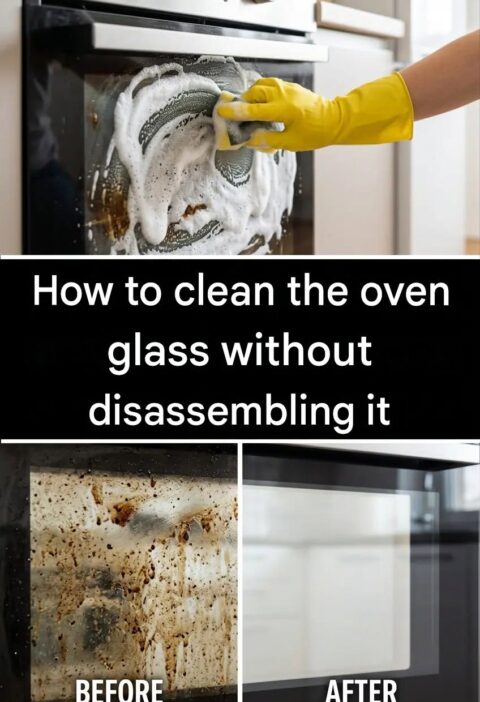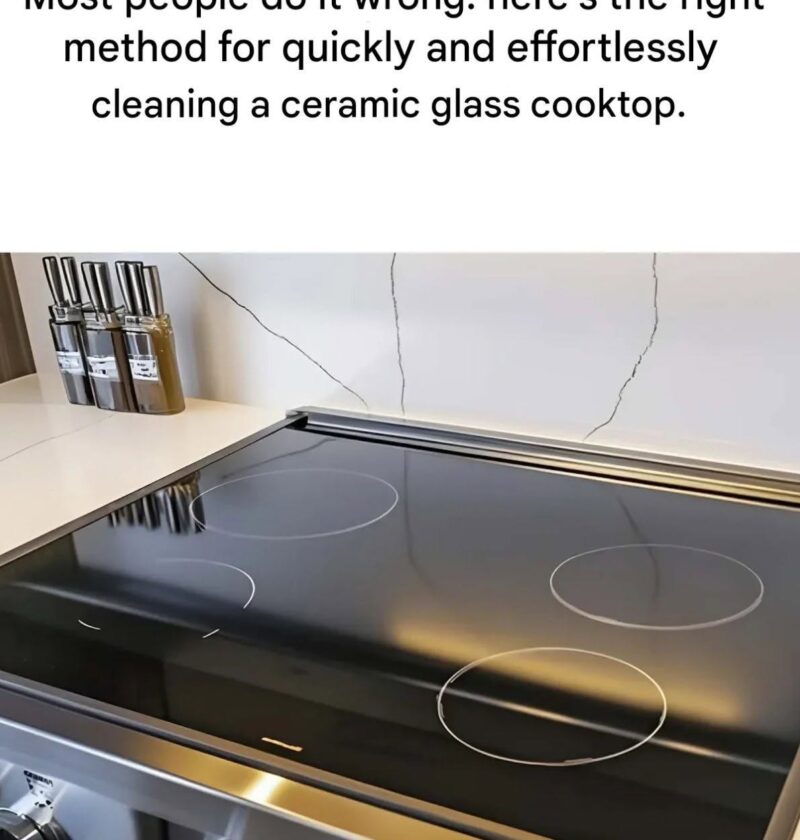
Cleaning a ceramic glass cooktop safely is all about soft materials, gentle cleaners, and the right technique. These surfaces (like smooth-top electric or induction stoves) look tough, but they scratch easily if you use the wrong tools.
Here’s a reliable, step-by-step method used by many appliance manufacturers and cleaning experts.
🧼 How to Clean Ceramic Glass Cooktops Without Scratching Them
⚠️ First: What NOT to use
Avoid these—they are the main cause of scratches:
- ❌ Steel wool or metal scrubbers
- ❌ Abrasive powders (like harsh scouring cleaners)
- ❌ Rough sponges
- ❌ Razor blades used dry or at the wrong angle
- ❌ Dry scrubbing on a dirty surface
Even small grains of salt or sugar can scratch if rubbed aggressively.
🧽 Step 1: Let the cooktop cool completely
Never clean while hot.
- Prevents burns
- Prevents cleaner from “baking” onto the surface
- Reduces streaking
🧹 Step 2: Remove loose debris
Use:
- A soft microfiber cloth or paper towel
Gently wipe away:
- Crumbs
- Dust
- Loose food particles
👉 Tip: This prevents grit from scratching the glass when you scrub later.
🧴 Step 3: Apply a safe cleaner
You have 3 good options:
✔ Option A: Store-bought cooktop cleaner
Look for products made specifically for glass cooktops.
Example: ceramic cooktop cream cleaners
✔ Option B: Dish soap + warm water
- 1–2 drops mild dish soap
- Warm water
- Soft cloth
Good for light daily cleaning.
✔ Option C: Baking soda paste (for stains)
- 2 parts baking soda
- 1 part water
Makes a gentle, non-scratch paste.
🧽 Step 4: Let it sit (important)
- Light cleaning: 2–3 minutes
- Stubborn stains: 10–15 minutes
This loosens grease and burnt residue so you don’t have to scrub hard.
🧻 Step 5: Wipe gently (no pressure)
Use:
- Microfiber cloth (best option)
- Soft sponge (non-abrasive side only)
Wipe in circular or straight motions without pressing hard.
👉 Key rule: Let the cleaner do the work, not your force.
🔥 Step 6: Handle burnt-on spots safely
If food is stuck:
Safe method:
- Apply cooktop cleaner or baking soda paste
- Let it soften
- Use a plastic scraper (not metal) at a low angle (30–45°)
- Gently lift residue
This is much safer than scratching with force.
✨ Step 7: Buff for a streak-free shine
Finish with:
- Clean damp microfiber cloth
- Then dry cloth
This removes streaks and restores shine.
🛡️ Extra tips to prevent scratches
✔ Clean spills early
Sugar, syrup, and melted plastic can harden and become abrasive.
✔ Lift pots instead of sliding
Dragging cookware can cause micro-scratches over time.
✔ Check cookware bottoms
Rough or chipped pots can damage the glass surface.
✔ Use cooktop protectors (optional)
Silicone mats designed for glass cooktops can reduce wear.
🧠 What makes ceramic glass cooktops scratch?
Scratches usually come from:
- Grit (sand-like particles)
- Sugar spills that harden
- Metal scrapers used incorrectly
- Sliding cookware
Not from gentle cleaning itself.
🧼 Simple daily cleaning routine
After cooking:
- Let cool
- Wipe with damp microfiber cloth
- Use mild soap if needed
- Dry immediately
This prevents buildup and reduces deep cleaning needs.
✔ Final takeaway
To safely clean ceramic glass cooktops:
- Use soft cloths only
- Use mild cleaners or cooktop-specific products
- Avoid anything abrasive or sharp metal
- Let stains soften before wiping
With the right method, you’ll get a scratch-free, glossy finish every time.
If you want, I can also give you:
- A DIY “like-new glass cooktop restoration method”
- Or the best cleaners ranked by effectiveness
- Or how to remove burnt sugar / plastic safely (the hardest messes)