10 Warning Signs of a Blood Clot in the Leg You Should Know
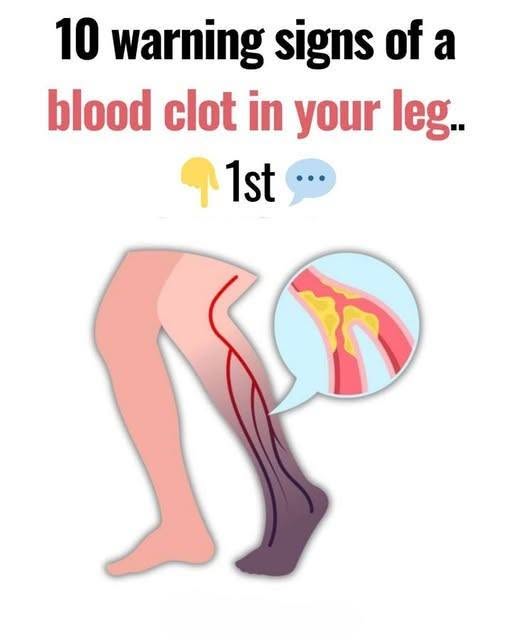
A blood clot in the leg is a serious medical condition that should never be ignored. Known medically as Deep Vein Thrombosis (DVT), it occurs when a blood clot forms in one of the deep veins, most commonly in the calf, thigh, or pelvis. While blood clots play a vital role in stopping bleeding after an injury, clots that develop inside deep veins can block blood flow and become life-threatening if they travel to the lungs.
One of the greatest dangers of DVT is that it doesn’t always cause obvious symptoms. In some people, the warning signs are subtle, while others may experience sudden pain and swelling. Recognizing these symptoms early and seeking prompt medical care can help prevent serious complications, including a Pulmonary Embolism (PE), which occurs when part of the clot breaks loose and blocks an artery in the lungs.
Here’s what you should know about the 10 most common warning signs.
What Is a Deep Vein Thrombosis?
A DVT is a blood clot that forms in a deep vein, usually in the lower body. Unlike small clots that form after a cut or scrape, these clots develop inside the blood vessels and can interfere with normal circulation.
Common locations include:
- The calf
- The thigh
- Behind the knee
- The pelvis
Not every blood clot causes symptoms, but when symptoms do occur, they often affect only one leg.
1. Swelling in One Leg
One of the earliest and most common signs of DVT is swelling that affects only one leg.
The swelling may:
- Develop suddenly or gradually
- Involve the calf, ankle, foot, or entire leg
- Make shoes or socks feel unusually tight
The swelling occurs because the clot slows or blocks the return of blood to the heart, causing fluid to accumulate in the affected limb.
Seek medical evaluation promptly, especially if the swelling appears without an obvious injury.
2. Leg Pain or Tenderness
Pain caused by a blood clot often begins in the calf.
People describe it as:
- A cramp
- A dull ache
- A persistent soreness
- A feeling similar to a pulled muscle
Unlike muscle soreness after exercise, DVT pain often does not improve with stretching or rest and may worsen when standing or walking.
3. Warmth in the Affected Area
The skin over the clot may feel noticeably warmer than the surrounding skin.
This warmth results from inflammation and changes in blood flow.
You may notice:
- One calf feels warmer than the other
- Warmth that persists even after resting
4. Red or Discolored Skin
Changes in skin color can occur over the affected vein.
The skin may appear:
- Red
- Bluish
- Purplish
- Darker than the surrounding area
These changes often accompany swelling and tenderness.
5. Prominent Surface Veins
When a deep vein becomes blocked, blood may be redirected into smaller surface veins.
As a result, veins near the skin may become:
- Larger
- More visible
- More noticeable than usual
While enlarged veins alone don’t necessarily indicate DVT, they can occur alongside other symptoms.
6. Pain That Worsens When Walking or Standing
Many people initially mistake DVT for a muscle strain.
However, one clue is that the discomfort often becomes worse when:
- Walking
- Standing for long periods
- Flexing the foot
The pain typically doesn’t improve in the same way that a muscle injury would.
7. Leg Heaviness
Some people report that the affected leg feels:
- Heavy
- Tight
- Full
- Difficult to move normally
This sensation may develop before significant swelling becomes obvious.
8. Persistent Calf Cramping
Although leg cramps are common and usually harmless, persistent cramping in one calf—especially when accompanied by swelling, warmth, or redness—deserves prompt medical attention.
Cramping from DVT often:
- Doesn’t resolve with stretching
- Returns repeatedly
- Is localized to one leg
9. Skin That Feels Tight or Shiny
As swelling increases, the skin may become:
- Tight
- Smooth
- Shiny
You may notice sock marks lasting longer than usual or a feeling that the skin is stretched.
10. Shortness of Breath or Chest Pain (Medical Emergency)
If part of the clot breaks away and travels to the lungs, it can cause a pulmonary embolism, a life-threatening emergency.
Symptoms include:
- Sudden shortness of breath
- Sharp chest pain, especially when breathing deeply
- Rapid heartbeat
- Coughing, sometimes with blood
- Feeling faint or dizzy
Call emergency medical services immediately if these symptoms occur, particularly if they follow recent leg swelling or pain.
Who Is Most at Risk?
Anyone can develop DVT, but certain factors increase the risk.
These include:
- Being over age 60 (although younger people can also develop DVT)
- Recent surgery, especially hip or knee surgery
- Long periods of immobility, such as long flights or bed rest
- Pregnancy and the weeks after childbirth
- Smoking
- Obesity
- A personal or family history of blood clots
- Certain cancers and cancer treatments
- Hormone therapy or estrogen-containing birth control
- Inherited clotting disorders
Having one or more risk factors doesn’t mean you’ll develop a clot, but it does increase the importance of recognizing symptoms early.
How Is DVT Diagnosed?
If a healthcare provider suspects a blood clot, they may recommend:
- A physical examination
- A blood test called a D-dimer
- An ultrasound of the leg veins (the most common imaging test)
- Additional imaging tests in certain situations
Prompt diagnosis is important because early treatment reduces the risk of complications.
Treatment Options
Treatment aims to prevent the clot from growing, reduce the risk of pulmonary embolism, and lower the chance of future clots.
Depending on the individual case, treatment may include:
- Blood-thinning medications (anticoagulants)
- Compression stockings for selected patients
- Clot-removal procedures in certain severe cases
- Lifestyle changes to reduce future risk
Treatment plans vary depending on the location of the clot, the person’s overall health, and other medical conditions.
Can Blood Clots Be Prevented?
Many cases of DVT can be reduced through healthy habits and preventive measures.
Helpful strategies include:
- Stay physically active.
- Avoid sitting for long periods without moving.
- Stand up and walk every 1–2 hours during long trips.
- Stay well hydrated.
- Maintain a healthy weight.
- Don’t smoke.
- Follow your healthcare provider’s recommendations after surgery or hospitalization.
- Take prescribed blood thinners exactly as directed if they are recommended.
When Should You Seek Medical Care?
Seek urgent medical evaluation the same day if you develop:
- Swelling in one leg
- New calf pain with warmth or redness
- Sudden unexplained leg tenderness
- Significant swelling after prolonged immobility or surgery
Call emergency services immediately if you experience:
- Sudden shortness of breath
- Chest pain
- Coughing up blood
- Fainting or severe dizziness
These may be signs of a pulmonary embolism, which requires immediate treatment.
Frequently Asked Questions
Can a blood clot go away on its own?
Some clots may gradually break down over time, but you should never assume a suspected DVT will resolve without treatment. Untreated clots can enlarge or travel to the lungs, creating a medical emergency.
Is every swollen leg caused by a blood clot?
No. Swelling can result from many conditions, including injuries, infections, chronic venous insufficiency, heart failure, or lymphedema. However, new swelling in one leg, especially when accompanied by pain, warmth, or redness, should be evaluated promptly.
Can you walk with a blood clot?
Some people with DVT are still able to walk, while others have significant pain. Walking ability does not rule out a blood clot. If DVT is suspected, seek medical evaluation rather than trying to determine the cause yourself.
Final Thoughts
A deep vein thrombosis (DVT) is a potentially serious condition that often begins with subtle symptoms such as swelling, calf pain, warmth, or skin discoloration in one leg. Recognizing these warning signs and seeking timely medical care can significantly reduce the risk of serious complications, including pulmonary embolism, which can be life-threatening.
If you notice unexplained swelling, persistent pain, or other symptoms suggestive of a blood clot—especially if you have known risk factors—don’t ignore them. Early diagnosis and treatment are key to preventing complications and supporting a full recovery.