Doctors Reveal That Eating Cashews Causes… The Truth About This Popular Nut
Headlines like “Doctors reveal that eating cashews causes…” are often designed to spark curiosity and clicks. They usually imply that cashews have a dramatic effect—either amazingly good or surprisingly bad. In reality, cashews are a nutritious food that can be part of a healthy diet for most people, but they also have some drawbacks depending on how much you eat and your individual health.
Let’s take a detailed look at what eating cashews actually does to your body, their health benefits, possible risks, and who should be cautious.
🌰 What Are Cashews?
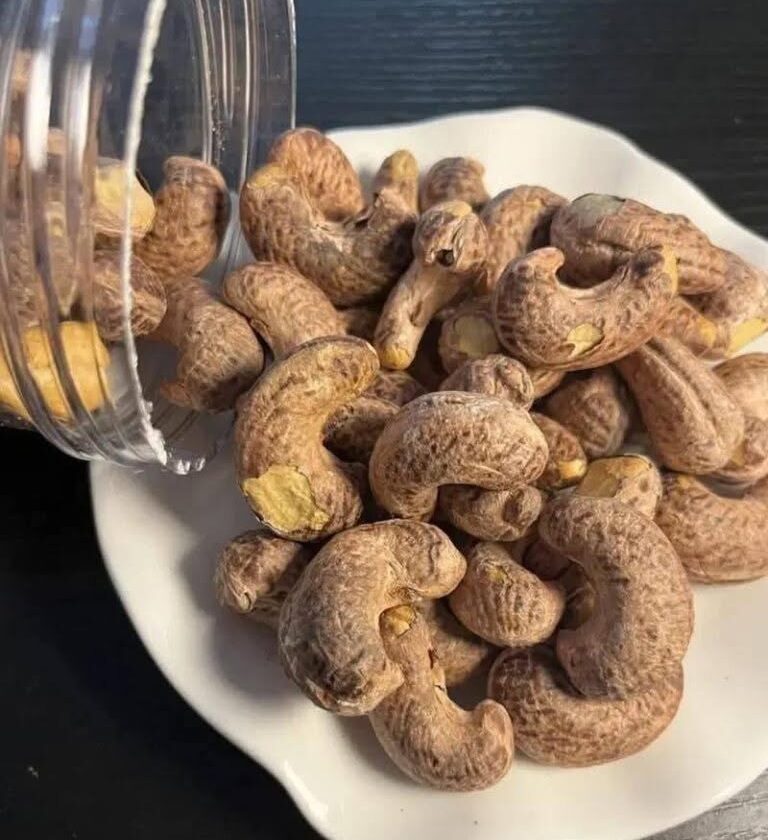
Cashews are kidney-shaped seeds that grow on the cashew tree. Although commonly called nuts, they are technically seeds. They are rich in healthy fats, protein, vitamins, minerals, and antioxidants, making them one of the most nutritious snack options available.
A typical serving is about 1 ounce (28 grams), which equals approximately 18–20 cashews.
🥗 Nutritional Value of Cashews
One serving provides approximately:
- Calories: 155–165
- Protein: 5 grams
- Healthy fats: 12 grams
- Carbohydrates: 9 grams
- Fiber: 1 gram
- Magnesium: About 20% of the daily requirement
- Copper: More than 60% of the daily requirement
- Zinc
- Iron
- Phosphorus
- Manganese
Cashews are naturally cholesterol-free and contain very little sugar.
❤️ 1. May Support Heart Health
Cashews contain mostly unsaturated fats, the same type of heart-friendly fats found in foods like olive oil and avocados.
These healthy fats may help:
- Lower LDL (“bad”) cholesterol when they replace saturated fats in the diet.
- Maintain HDL (“good”) cholesterol.
- Support healthy blood vessels.
Cashews also provide magnesium, which helps support normal muscle and nerve function, including the muscles involved in maintaining a healthy heartbeat.
However, eating large amounts of salted cashews may increase sodium intake, which isn’t ideal for people with high blood pressure.
🦴 2. Help Maintain Strong Bones
Cashews contain several minerals important for bone health, including:
- Magnesium
- Phosphorus
- Copper
- Manganese
These nutrients contribute to normal bone structure and help support the body’s natural bone-building processes.
Remember that calcium and vitamin D are also essential for maintaining strong bones.
💪 3. Provide Plant-Based Protein
Each serving contains about 5 grams of protein.
Protein is important for:
- Building and repairing muscles
- Supporting the immune system
- Maintaining healthy skin and hair
- Keeping you feeling full after meals
Although cashews are not a complete protein on their own, they contribute to overall daily protein intake.
🧠 4. Support Brain and Nervous System Function
Cashews provide nutrients involved in normal brain and nerve function, including:
- Magnesium
- Copper
- Zinc
- Healthy fats
These nutrients support nerve signaling and normal cell function. However, eating cashews does not directly boost intelligence or prevent memory loss, despite some claims online.
⚡ 5. Supply Antioxidants
Cashews contain natural antioxidants, including:
- Polyphenols
- Carotenoids
- Vitamin E (in smaller amounts than some other nuts)
Antioxidants help protect cells from damage caused by unstable molecules known as free radicals.
😊 6. May Help You Feel Full
Despite being calorie-dense, cashews can be satisfying because they contain:
- Protein
- Healthy fats
- Fiber
These nutrients digest more slowly than refined carbohydrates, helping you stay full longer.
This may reduce the temptation to snack on less nutritious foods between meals.
🩸 7. Blood Sugar and Diabetes
Cashews have a relatively low glycemic impact because they contain very little sugar and plenty of healthy fats.
When eaten in moderation as part of a balanced diet, they generally do not cause large spikes in blood sugar.
For people with diabetes, unsalted cashews can be a nutritious snack, but portion size still matters because they contain calories and carbohydrates.
⚠️ Possible Risks of Eating Cashews
Although cashews are healthy for most people, there are situations where caution is needed.
1. High in Calories
Cashews are energy-dense.
A small handful contains about 160 calories.
Eating large amounts regularly without adjusting the rest of your diet can contribute to weight gain.
Moderation is important.
2. Nut Allergy
Some people have serious allergies to tree nuts, including cashews.
Symptoms can include:
- Hives
- Swelling of the lips or throat
- Wheezing
- Difficulty breathing
- Severe allergic reactions (anaphylaxis)
Anyone with a known tree nut allergy should avoid cashews unless advised otherwise by an allergy specialist.
3. Salt Content
Many packaged cashews are heavily salted.
Too much sodium may contribute to:
- High blood pressure
- Fluid retention
Choosing unsalted or lightly salted varieties is generally the healthier option.
4. Added Oils and Flavorings
Some flavored cashews contain:
- Added sugar
- Extra oils
- Artificial flavorings
Reading the nutrition label can help you choose a healthier product.
🌿 Are Raw Cashews Safe?
Cashews sold in stores as “raw” have actually been heat-treated to remove a naturally occurring toxic substance found in the shell.
True raw cashews, still inside their shells, contain compounds related to those found in poison ivy and should not be eaten without proper processing.
Commercially sold “raw” cashews are safe to eat because they have already been processed.
🥣 Healthy Ways to Eat Cashews
Cashews are very versatile and can be enjoyed in many ways:
- As a snack
- Mixed with other nuts and seeds
- Added to salads
- Stirred into oatmeal
- Blended into smoothies
- Used in stir-fries
- Made into cashew butter
- Blended into creamy dairy-free sauces
Keeping portions moderate helps balance their nutritional benefits with their calorie content.
❌ Common Myths About Cashews
Myth: Cashews always cause weight gain.
Fact: They are calorie-dense, but moderate portions can fit into a healthy eating pattern.
Myth: Cashews are unhealthy because they contain fat.
Fact: Most of the fat in cashews is unsaturated fat, which is generally considered heart-healthy when eaten in moderation.
Myth: Eating cashews cures diseases.
Fact: Cashews are nutritious, but no single food can cure diseases. Overall dietary patterns matter much more than any one ingredient.
📌 Key Takeaway
Eating cashews does not cause miraculous health changes or hidden dangers as many viral headlines suggest. For most people, cashews are a nutritious food that provides healthy fats, plant protein, minerals, and antioxidants. They may support heart health, bone health, and overall nutrition when eaten as part of a balanced diet.
However, they are also calorie-dense, and flavored or heavily salted varieties can add excess sodium, sugar, or unhealthy fats. People with tree nut allergies should avoid them, and everyone else should enjoy them in moderate portions as part of a varied, healthy diet.