What Your Ear Hair Says About Your Health
Ear hair is a normal part of aging, especially in men. While many people view it as simply a cosmetic issue, some wonder whether ear hair can reveal anything about their overall health. The answer is both yes and no. Ear hair itself usually isn’t a sign of illness, but changes in its growth or appearance can sometimes reflect natural aging, hormone levels, or, in rare cases, certain medical conditions.Let’s take a closer look at what ear hair really means and separate the facts from the myths.
👂 Why Do We Have Ear Hair?
There are actually two types of hair associated with the ears:
1. Tiny Internal Ear Hairs
Inside the inner ear are microscopic hair cells that are essential for hearing and balance. These are not visible and are completely different from the hair you see growing around the ear canal.
These specialized cells:
- Detect sound vibrations
- Help transmit signals to the brain
- Assist with maintaining balance
Damage to these cells from loud noise, aging, or certain medications can contribute to hearing loss.
2. Visible Ear Hair
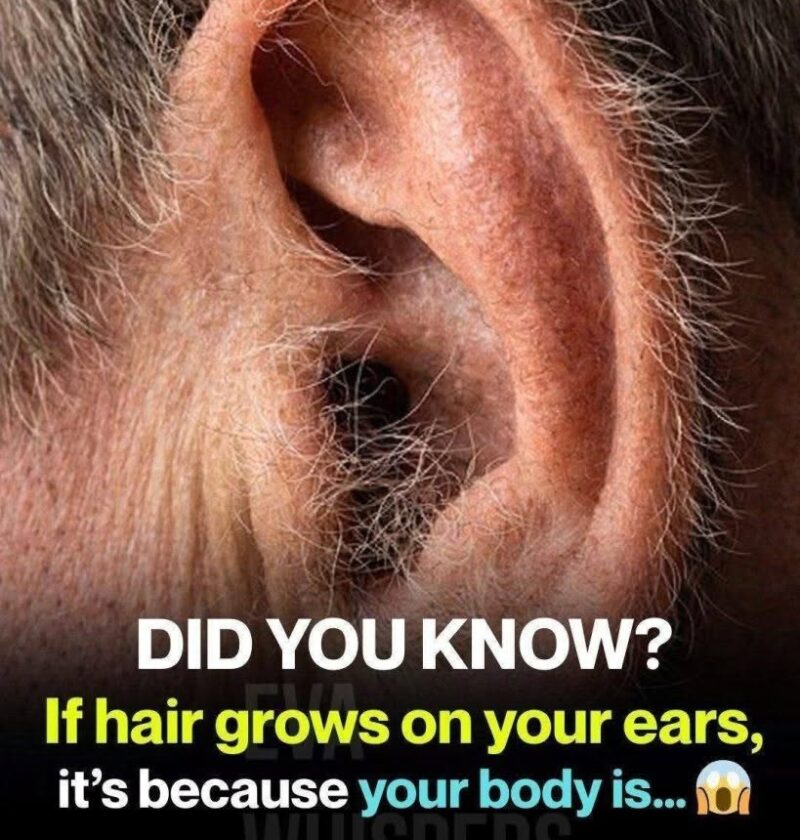
The hair growing on the outer ear and at the entrance to the ear canal is called terminal hair.
Its purpose is to:
- Trap dust and debris
- Help prevent insects from entering the ear
- Reduce the amount of dirt reaching the ear canal
- Work together with earwax to protect the ear
This visible hair is completely normal.
🧓 Why Does Ear Hair Increase With Age?
Many people notice thicker or longer ear hair after the age of 40 or 50, particularly men.
This happens because:
- Hair follicles become more responsive to hormones over time.
- Hormonal changes associated with aging can stimulate growth in areas such as the ears, nose, and eyebrows.
- Genetics also play a major role.
The increase in ear hair is considered a normal part of aging and does not usually indicate a health problem.
👨 Why Is Ear Hair More Common in Men?
Men typically develop more noticeable ear hair because of androgens, the group of hormones that includes testosterone.
Although testosterone levels gradually decline with age, hair follicles in certain areas may become more sensitive to these hormones, leading to increased growth of:
- Ear hair
- Nose hair
- Eyebrow hair
- Facial hair
Women can also develop ear hair, but it is generally finer and less noticeable.
🧬 Genetics Matter
Some people naturally grow more ear hair than others.
If your father or grandfather had prominent ear hair, you may be more likely to develop it as well.
Genetics often determine:
- Hair thickness
- Growth rate
- Hair color
- Distribution
❤️ Is Ear Hair Linked to Heart Disease?
You may have heard claims that hairy ears are a sign of heart disease.
This idea comes from older studies that looked at a feature called the earlobe crease and, separately, excessive ear hair.
However, modern research has not established that ear hair itself causes or reliably predicts heart disease.
Some studies have found associations, while others have not. Because age is linked to both increased ear hair and higher rates of heart disease, it can be difficult to separate one from the other.
The most important risk factors for heart disease remain:
- High blood pressure
- High cholesterol
- Smoking
- Diabetes
- Obesity
- Physical inactivity
- Family history
Ear hair alone should not be used to judge heart health.
👂 Can Ear Hair Affect Hearing?
Usually, no.
However, very thick hair at the entrance to the ear canal can sometimes:
- Trap more earwax
- Make hearing aids fit less comfortably
- Contribute to wax buildup in some people
If excessive earwax causes hearing problems, a healthcare professional can safely remove it.
Never insert cotton swabs or sharp objects deep into the ear canal, as this can push wax farther in or injure the ear.
⚠️ When Changes in Ear Hair Might Be Worth Mentioning
Although ear hair is generally harmless, you should consult a healthcare professional if you notice:
- Sudden excessive hair growth along with other unusual symptoms
- Pain, swelling, or discharge from the ear
- Persistent itching or bleeding
- A lump or skin lesion beneath the hair
- Significant hearing loss
- Dizziness or balance problems
These symptoms are usually unrelated to the hair itself but may indicate another condition that deserves evaluation.
✂️ Is It Safe to Remove Ear Hair?
Yes. Many people remove visible ear hair for cosmetic reasons.
Common methods include:
Trimming
Using a small electric ear trimmer or blunt-tip grooming scissors is generally the safest option.
Waxing
Waxing removes hair for a longer period but can temporarily irritate the skin and is best performed carefully or by a professional.
Laser Hair Removal
Laser treatment offers a longer-lasting reduction in hair growth but usually requires multiple sessions.
Avoid using razors inside the ear canal, as they can cause cuts or irritation.
🌿 Can Lifestyle Affect Ear Hair?
There is no proven diet or supplement that significantly changes ear hair growth.
Healthy habits that support overall skin and hair health include:
- Eating a balanced diet rich in fruits and vegetables
- Getting enough protein
- Staying hydrated
- Not smoking
- Managing chronic medical conditions
These habits won’t eliminate ear hair but contribute to healthy aging overall.
❌ Common Myths About Ear Hair
Myth 1: Ear hair means you’re unhealthy.
Fact: Ear hair is usually a normal part of aging and genetics.
Myth 2: More ear hair means higher testosterone.
Fact: While hormones influence hair growth, the amount of ear hair is also heavily affected by genetics and changes in hair follicle sensitivity over time.
Myth 3: Ear hair predicts heart disease.
Fact: Current evidence does not support using ear hair as a reliable indicator of cardiovascular health.
Myth 4: You should remove all ear hair.
Fact: Ear hair has a protective function by helping trap dust and small particles. Removing visible excess hair is generally a personal grooming choice rather than a medical necessity.
📌 Key Takeaway
Visible ear hair is usually a normal feature of aging, particularly in men, and is influenced by hormones and genetics. It serves a protective purpose by helping keep dust and debris out of the ear canal. While older studies explored possible links between ear hair and heart disease, there is no strong scientific evidence that ear hair itself predicts your overall health. If you notice sudden changes in hair growth accompanied by pain, hearing loss, skin changes, or other concerning symptoms, it’s wise to consult a healthcare professional. Otherwise, ear hair is typically nothing more than a natural—and often harmless—part of getting older.