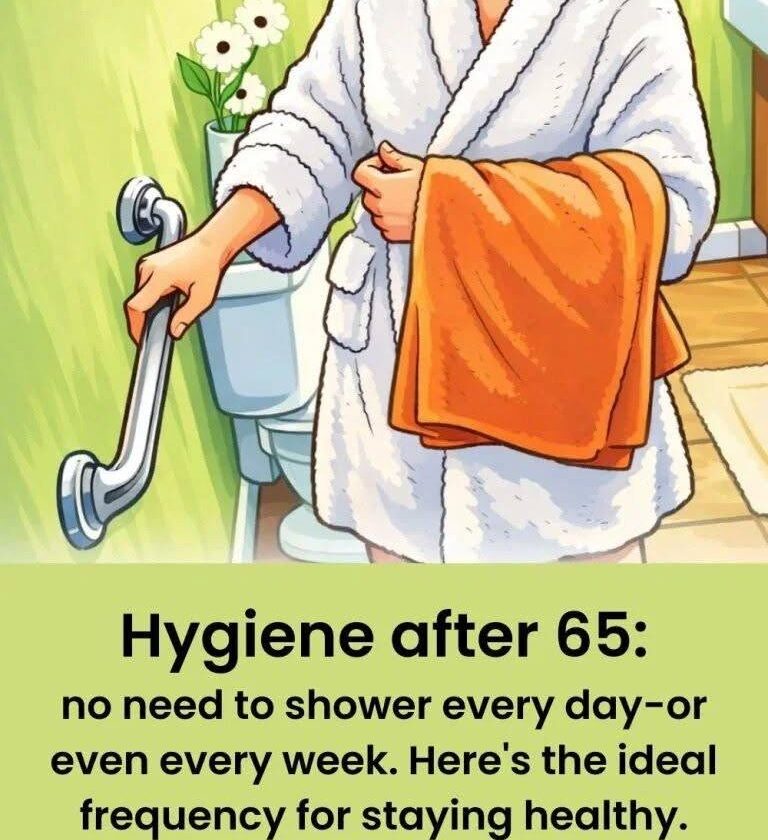
Why Daily Showers After 65 May Do More Harm Than Good 🚿👵👴
For many people, taking a daily shower is simply part of their routine. However, as we age, our skin naturally changes. After age 65, daily long, hot showers may not always be the best choice for everyone, especially if they lead to dry, itchy, or irritated skin.
That doesn’t mean older adults should stop bathing regularly. Instead, experts generally recommend adjusting bathing habits to protect the skin while maintaining good hygiene.
How Aging Changes Your Skin
As you get older, your skin naturally becomes:
- Thinner
- Drier
- Less elastic
- More fragile
The skin also produces less natural oil, making it easier for moisture to evaporate. This can lead to dryness, flaking, and itching.
1. Frequent Hot Showers Can Dry Out the Skin 💧
Hot water removes the skin’s natural protective oils.
This may lead to:
- Dryness
- Tightness
- Itching
- Flaking
- Cracked skin
Instead, use warm—not hot—water for bathing.
2. The Skin Barrier Becomes More Fragile 🛡️
The skin acts as a barrier that helps keep moisture in and irritants out.
Excessive washing, especially with harsh soaps, can weaken this barrier, making the skin more prone to:
- Irritation
- Redness
- Minor skin injuries
3. Long Showers Can Worsen Dry Skin
A shower doesn’t have to be long to be effective.
Many dermatologists recommend keeping showers to about:
5–10 minutes
This helps cleanse the skin without removing too much of its natural moisture.
4. Strong Soaps May Irritate Sensitive Skin 🧼
Some soaps contain fragrances or harsh detergents that can strip away natural oils.
Choose:
- Mild, fragrance-free cleansers
- Moisturizing body washes
- Products made for sensitive skin
5. Moisturizing Becomes More Important
After bathing:
- Pat your skin dry with a towel.
- Apply a moisturizer within a few minutes while the skin is still slightly damp.
Creams and ointments often provide longer-lasting moisture than lotions.
6. Hair Doesn’t Always Need Daily Washing
Hair tends to become drier with age because the scalp produces less oil.
Many older adults find that washing their hair:
- Two or three times per week
is enough, depending on hair type, activity level, and personal preference.
7. Bathing Needs Vary From Person to Person
There is no single bathing schedule that is right for everyone.
Factors that influence how often you should shower include:
- Physical activity
- Climate
- Skin condition
- Personal comfort
- Medical conditions
Someone who exercises daily may need more frequent showers than someone who is less active.
8. Good Hygiene Doesn’t Always Mean a Full Shower
On days when a full shower isn’t needed, many people stay clean by washing key areas, such as:
- Face
- Hands
- Underarms
- Groin
- Feet
This can help maintain hygiene while reducing skin dryness.
Tips for Healthy Skin After 65 🌿
✅ Use warm rather than hot water.
✅ Limit showers to 5–10 minutes.
✅ Use gentle, fragrance-free cleansers.
✅ Moisturize after bathing.
✅ Drink enough water to support overall hydration.
✅ Wear soft, breathable clothing if your skin is easily irritated.
When to See a Healthcare Professional
Talk with your healthcare provider or a dermatologist if you have:
- Severe itching
- Cracked or bleeding skin
- Persistent rashes
- Sores that won’t heal
- Signs of skin infection
These symptoms may require treatment beyond changes in bathing habits.
Final Takeaway
Daily showers are not inherently harmful after age 65, but long, hot showers with harsh soaps can contribute to dry, irritated skin in many older adults. The best bathing routine is one that keeps you clean while protecting your skin’s natural moisture.
For many people, short, warm showers, gentle cleansers, and regular moisturizing provide the right balance between good hygiene and healthy skin. 🚿🌿