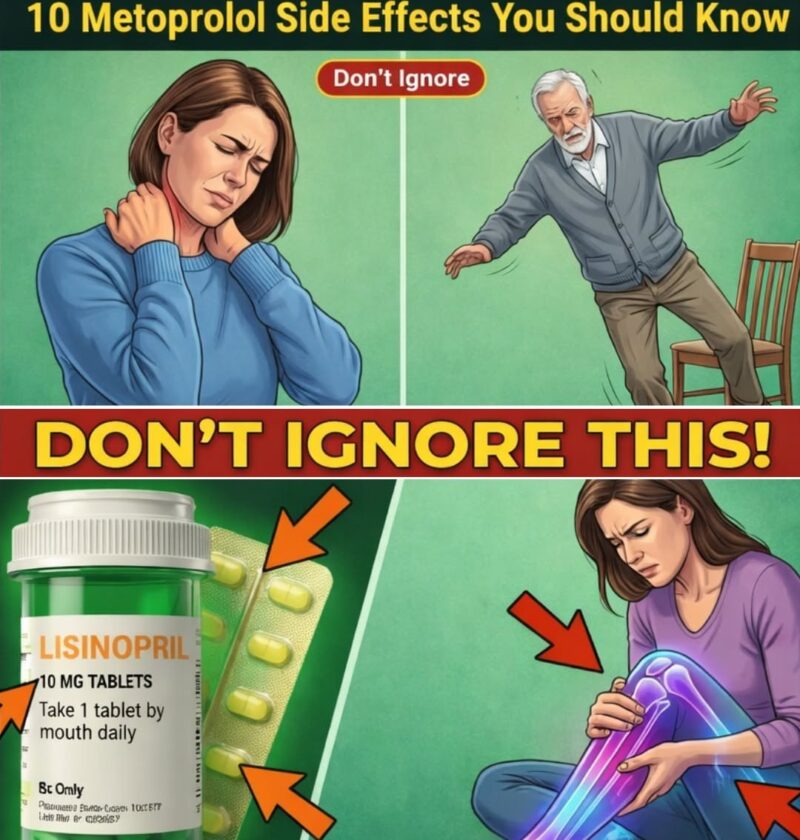
Metoprolol Side Effects: 10 Important Side Effects You Should Know
Metoprolol is a commonly prescribed medication in the beta-blocker class. It is used to treat conditions such as high blood pressure, chest pain (angina), certain heart rhythm disorders, heart failure (specific formulations), and to reduce the risk of future heart problems after a heart attack. While metoprolol is generally well tolerated, like all medications, it can cause side effects. Knowing what to expect can help you recognize when to seek medical advice.
Important: Do not stop taking metoprolol suddenly unless instructed by your healthcare provider. Abruptly stopping the medication can worsen chest pain, trigger irregular heart rhythms, or increase the risk of a heart attack in some people.
What Is Metoprolol?
Metoprolol works by blocking the effects of adrenaline on the heart and blood vessels. This helps:
- Lower blood pressure.
- Slow the heart rate.
- Reduce the heart’s workload.
- Improve blood flow.
- Help prevent certain heart-related complications.
It is available in two main forms:
- Metoprolol tartrate – an immediate-release form, often taken more than once daily.
- Metoprolol succinate – an extended-release form, usually taken once daily.
Your healthcare provider will prescribe the formulation that best suits your condition.
1. Fatigue or Tiredness
Feeling unusually tired is one of the most commonly reported side effects, especially during the first few weeks of treatment.
Why it happens
Because metoprolol slows the heart rate and lowers blood pressure, some people may initially feel less energetic while their body adjusts.
Tips
- Give your body time to adapt.
- Stay hydrated.
- Get adequate sleep.
- Contact your healthcare provider if fatigue is severe or persistent.
2. Dizziness or Lightheadedness
Some people experience dizziness, particularly when standing up quickly.
Why it happens
Lower blood pressure may temporarily reduce blood flow to the brain when changing positions.
Tips
- Rise slowly from sitting or lying down.
- Sit or lie down if you feel faint.
- Avoid driving or operating machinery until you know how the medication affects you.
3. Slow Heart Rate (Bradycardia)
Metoprolol is designed to slow the heart, but occasionally it can slow it too much.
Symptoms may include
- Extreme fatigue
- Dizziness
- Fainting
- Shortness of breath
- Feeling weak
If you experience these symptoms, contact your healthcare provider promptly.
4. Cold Hands and Feet
Some people notice their hands or feet feel colder than usual.
Why it happens
Metoprolol can reduce blood flow to the extremities in some individuals.
Tips
- Dress warmly in cold weather.
- Stay physically active if your healthcare provider approves.
- Inform your provider if symptoms become severe or painful.
5. Shortness of Breath
Although uncommon, some people may notice increased shortness of breath.
People with asthma or certain other lung conditions should discuss the use of beta-blockers with their healthcare provider, as these medications can sometimes worsen breathing symptoms.
Seek immediate medical attention if you develop severe breathing difficulty.
6. Digestive Problems
Some people experience mild gastrointestinal side effects such as:
- Nausea
- Stomach discomfort
- Diarrhea
- Constipation
These symptoms are often temporary and may improve as your body adjusts.
Taking metoprolol with food may help if recommended for your prescribed formulation.
7. Sleep Changes
Some individuals report:
- Trouble sleeping
- Vivid dreams
- Nightmares
Not everyone experiences these effects, and they may lessen over time.
If sleep problems become troublesome, discuss them with your healthcare provider.
8. Mood Changes
Less commonly, some people may experience:
- Low mood
- Depression
- Reduced motivation
Because mood changes can have many causes, speak with your healthcare provider if you notice persistent emotional or psychological symptoms after starting metoprolol.
9. Sexual Side Effects
Some people report:
- Decreased libido
- Difficulty achieving or maintaining an erection
- Sexual performance concerns
These side effects do not occur in everyone and can have multiple contributing factors, including underlying cardiovascular disease.
Do not stop taking your medication without medical advice. Your healthcare provider may be able to adjust your treatment if this becomes a concern.
10. Low Blood Pressure (Hypotension)
Metoprolol lowers blood pressure, but occasionally it may lower it more than intended.
Possible symptoms
- Dizziness
- Blurred vision
- Weakness
- Fainting
- Confusion
If you experience severe symptoms or fainting, seek medical attention promptly.
Serious Side Effects That Require Immediate Medical Attention
Although uncommon, seek emergency medical care if you develop:
- Chest pain that is new or worsening.
- Severe shortness of breath.
- Fainting or loss of consciousness.
- Swelling of the face, lips, tongue, or throat (possible allergic reaction).
- Difficulty breathing.
- Very slow or irregular heartbeat with severe symptoms.
Tips for Taking Metoprolol Safely
- Take the medication exactly as prescribed.
- Do not stop taking it suddenly.
- Check your blood pressure or heart rate if your healthcare provider recommends it.
- Inform all healthcare providers about your medications.
- Tell your healthcare provider if you become pregnant, plan to become pregnant, or are breastfeeding.
- Report any persistent or bothersome side effects.
Possible Drug Interactions
Metoprolol may interact with certain medications, including:
- Other blood pressure medications.
- Some heart rhythm medications.
- Certain antidepressants.
- Diabetes medications, as beta-blockers can mask some symptoms of low blood sugar.
- Some over-the-counter cold or decongestant products.
Always consult your healthcare provider or pharmacist before starting new medications or supplements.
Frequently Asked Questions
How long do side effects last?
Many mild side effects, such as fatigue or dizziness, improve within a few days to a few weeks as your body adjusts. If symptoms persist or worsen, consult your healthcare provider.
Can I drink alcohol while taking metoprolol?
Alcohol can increase dizziness and lower blood pressure further. Ask your healthcare provider whether alcohol is appropriate for you.
Can I exercise while taking metoprolol?
Yes, many people can exercise safely while taking metoprolol. However, because the medication slows your heart rate, your heart rate response to exercise may be lower than expected. Follow your healthcare provider’s recommendations about physical activity.
Final Thoughts
Metoprolol is an effective medication for managing several cardiovascular conditions and has helped millions of people reduce their risk of serious heart problems. Most side effects are mild and improve as the body adapts to treatment. However, it’s important to recognize symptoms that may require medical attention and to take the medication exactly as prescribed. Never stop metoprolol abruptly, and always consult your healthcare provider if you experience concerning side effects or have questions about your treatment.