A Simple Dental Care Method That May Help Reduce Plaque Buildup
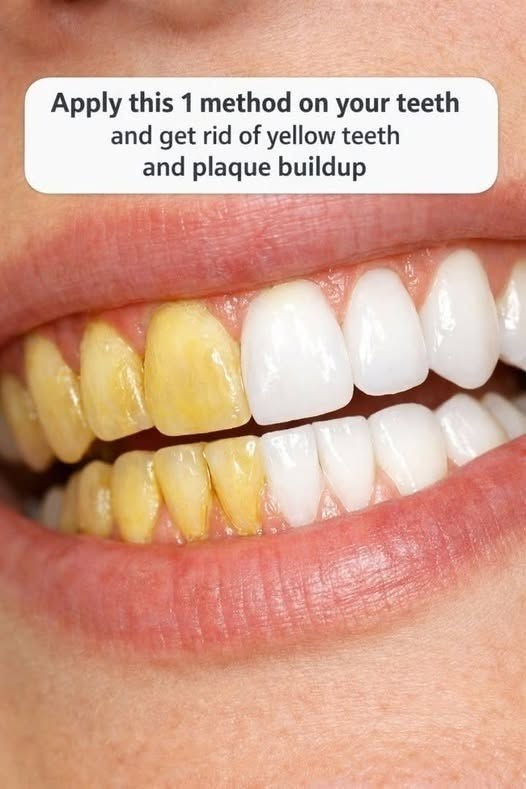
Plaque buildup is one of the most common causes of cavities, bad breath, gum disease, and tooth discoloration. The good news is that preventing plaque does not require complicated or expensive treatments. A consistent daily oral hygiene routine, combined with healthy lifestyle habits, can significantly reduce plaque accumulation and improve overall oral health.
One of the simplest and most effective dental care methods is brushing twice a day with fluoride toothpaste, cleaning between the teeth daily (flossing or interdental brushes), and rinsing with water after meals. These habits work together to remove plaque before it hardens into tartar, which can only be removed by a dental professional.
What Is Dental Plaque?
Dental plaque is a soft, sticky, colorless film that constantly forms on your teeth. It contains millions of bacteria that feed on sugars and starches left behind after eating.
When these bacteria digest food particles, they produce acids that can:
- Damage tooth enamel
- Cause cavities
- Irritate gums
- Lead to gingivitis
- Progress into periodontitis if untreated
If plaque isn’t removed within a day or two, it can harden into tartar (calculus), which cannot be removed by brushing alone.
The Simple Daily Method
Step 1: Brush Twice Every Day
Brush your teeth:
- Once in the morning
- Once before bed
Each brushing session should last at least two minutes.
Why This Helps
Brushing removes:
- Plaque
- Food particles
- Harmful bacteria
It also distributes fluoride across your teeth, helping strengthen enamel and reduce the risk of decay.
Choose the Right Toothbrush
A toothbrush should have:
- Soft bristles
- Small head
- Comfortable grip
Soft bristles clean effectively without damaging gums or enamel.
Electric toothbrushes can also be very effective, especially for people who have difficulty brushing thoroughly.
Step 2: Use Fluoride Toothpaste
Fluoride is one of the most researched ingredients in oral health.
Benefits include:
- Strengthens enamel
- Repairs early enamel damage
- Reduces cavity risk
- Makes teeth more resistant to acid attacks
Use a pea-sized amount for adults.
After brushing:
- Spit out the toothpaste.
- Avoid rinsing immediately with lots of water so the fluoride can continue protecting your teeth for a short time.
Step 3: Brush Correctly
Many people brush every day but still leave plaque behind because of poor technique.
Proper Brushing Technique
- Hold the toothbrush at about a 45-degree angle toward the gumline.
- Use gentle circular motions.
- Brush:
- Front surfaces
- Back surfaces
- Chewing surfaces
- Brush your tongue to help remove bacteria and reduce bad breath.
- Avoid scrubbing aggressively, as this can wear down enamel and irritate gums.
Step 4: Clean Between Your Teeth Daily
A toothbrush cannot effectively clean the tight spaces between teeth.
Use one of the following:
- Dental floss
- Interdental brushes
- Water flosser (helpful for some people, though it may not fully replace flossing in every case)
Benefits
Daily cleaning between teeth helps remove:
- Plaque
- Food debris
- Bacteria
This reduces the risk of:
- Gum disease
- Cavities between teeth
- Bad breath
Step 5: Rinse with Water After Meals
If you cannot brush immediately after eating:
- Swish plain water around your mouth for 20–30 seconds.
- Drink a glass of water.
This helps:
- Remove loose food particles
- Dilute acids
- Reduce bacterial activity
- Keep your mouth hydrated
If you’ve had acidic foods or drinks (such as citrus fruits or soda), wait about 30–60 minutes before brushing to help avoid brushing softened enamel.
Step 6: Consider an Antimicrobial or Fluoride Mouthwash
A mouthwash can be a useful addition to brushing and flossing, but it does not replace them.
Benefits may include:
- Reducing bacteria
- Freshening breath
- Delivering fluoride
- Helping reduce plaque and gingivitis, depending on the formulation
Choose a product based on your needs or your dentist’s recommendation.
Step 7: Reduce Sugary Foods and Drinks
Plaque bacteria thrive on sugar.
Common sources include:
- Candy
- Cookies
- Cakes
- Soda
- Sweet tea
- Energy drinks
- Fruit juices with added sugar
Instead, choose:
- Water
- Fresh fruits
- Vegetables
- Cheese
- Nuts (if appropriate for you)
- Plain yogurt
The less often your teeth are exposed to sugar, the less opportunity plaque bacteria have to produce harmful acids.
Step 8: Chew Sugar-Free Gum
Sugar-free gum, especially those sweetened with xylitol, may help by:
- Stimulating saliva production
- Washing away food particles
- Neutralizing acids
- Reducing dry mouth
Saliva is one of your body’s natural defenses against plaque because it helps rinse away bacteria and supports enamel remineralization.
Step 9: Stay Hydrated
Drinking enough water throughout the day:
- Washes away food particles
- Supports saliva production
- Helps control bacterial growth
- Reduces dry mouth
A dry mouth can increase the risk of plaque buildup and tooth decay.
Step 10: Visit Your Dentist Regularly
Even with excellent home care, some plaque can harden into tartar.
Professional cleanings remove:
- Tartar
- Stubborn plaque
- Surface stains
Regular dental checkups also allow early detection of:
- Cavities
- Gum disease
- Tooth wear
- Other oral health issues
Your dentist can recommend a cleaning schedule based on your individual oral health needs.
Habits That Increase Plaque Buildup
Try to avoid or reduce these habits:
- Skipping brushing before bed
- Infrequent flossing
- Smoking or using tobacco products
- Frequent snacking on sugary foods
- Drinking sugary beverages throughout the day
- Poor hydration
- Neglecting regular dental visits
Signs of Plaque Buildup
Common signs include:
- Yellow or white film on teeth
- Bad breath
- Bleeding gums when brushing or flossing
- Swollen or red gums
- Rough feeling on teeth
- Tooth sensitivity
- Early cavities
If plaque hardens into tartar, you may notice yellow or brown deposits, especially near the gumline.
Common Myths
Myth: Brushing harder cleans better.
Fact: Gentle brushing with proper technique is more effective and less likely to damage gums or enamel.
Myth: Mouthwash can replace brushing.
Fact: Mouthwash is a supplement, not a substitute, for brushing and flossing.
Myth: If my gums bleed, I should stop flossing.
Fact: Bleeding can be a sign of gum inflammation caused by plaque. Gentle, consistent flossing often helps improve gum health over time. If bleeding persists, consult a dentist.
Myth: Plaque only affects older adults.
Fact: Plaque forms on everyone’s teeth, regardless of age.
Frequently Asked Questions
How long does it take for plaque to form?
Plaque begins forming within hours after brushing and can mature over the next 24–48 hours if it isn’t removed.
Can plaque be removed at home?
Yes. Fresh plaque can usually be removed with thorough brushing and daily cleaning between the teeth.
Can tartar be removed by brushing?
No. Once plaque hardens into tartar, it generally requires professional removal by a dental professional.
Is an electric toothbrush better than a manual toothbrush?
Both can be effective when used properly. Some studies suggest electric toothbrushes may remove more plaque for some people, particularly when they improve brushing consistency and technique.
Daily Routine Summary
Morning
- Brush for two minutes with fluoride toothpaste.
- Clean your tongue.
- If advised, use mouthwash.
After Meals
- Rinse with water.
- Limit sugary snacks and drinks.
Evening
- Floss or clean between your teeth.
- Brush for two minutes with fluoride toothpaste.
- Avoid eating sugary foods after brushing.
Key Takeaway
The simplest and most effective way to reduce plaque buildup is to brush twice daily with fluoride toothpaste, clean between your teeth every day, eat a balanced diet that limits frequent sugar intake, stay hydrated, and have regular dental checkups. Consistency is more important than using expensive products—small daily habits can make a significant difference in keeping your teeth and gums healthy over the long term.