😴 Nighttime Drooling: When Your Pillow Gets Wet, What Your Body Might Be Signaling
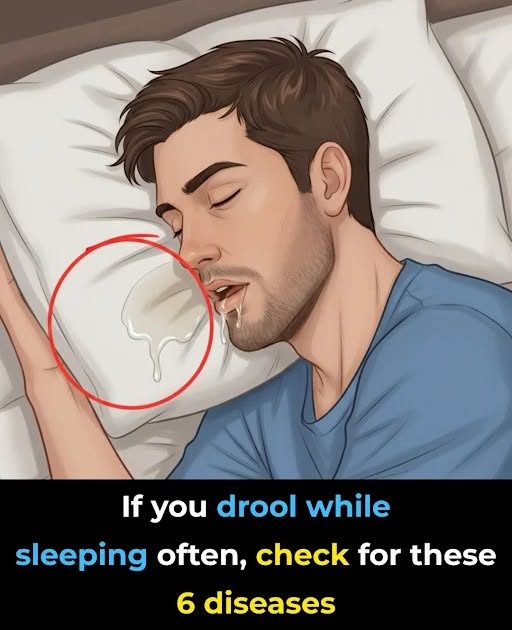
Nighttime drooling (also called sleep drooling or nocturnal sialorrhea) happens when saliva escapes from your mouth while you’re asleep. It’s very common and usually harmless—but in some cases, it can be a clue about how you sleep or even an underlying health issue.
A wet pillow once in a while is normal. But frequent or heavy drooling may be your body’s way of signaling something worth paying attention to.
🧠 Why Does Nighttime Drooling Happen?
Normally, your body keeps swallowing saliva even while you sleep. Drooling happens when that process slows down or your mouth stays open during sleep.
There are two main reasons:
1. Increased saliva production
2. Reduced ability to swallow during sleep
Most often, it’s a combination of both.
😮 Common Causes of Nighttime Drooling
😴 1. Sleeping Position
The most common reason is simply how you sleep.
- Sleeping on your side or stomach allows saliva to escape
- Gravity pulls saliva out of the mouth
- Mouth opens more easily in these positions
👉 This is usually harmless.
👃 2. Nasal Congestion (Blocked Nose)
If your nose is blocked, you breathe through your mouth instead.
Causes include:
- Cold or flu
- Allergies
- Sinus problems
This leads to:
- Open-mouth breathing
- More drooling during sleep
💤 3. Deep Sleep Phase
During deep sleep:
- Swallowing reflex slows down
- Mouth muscles relax
This can increase drooling, especially in heavy sleepers.
😷 4. Acid Reflux
In some cases, drooling is linked to stomach acid rising into the throat.
This condition is called:
- Gastroesophageal reflux disease
It can cause:
- Excess saliva production (body tries to protect throat)
- Nighttime drooling
- Sour taste in mouth
- Coughing at night
🧠 5. Neurological or Muscle Conditions (Less Common)
Some conditions affect muscle control:
- Stroke recovery
- Parkinson’s disease
- Nerve disorders
These can reduce swallowing control.
🦷 6. Dental or Jaw Issues
Problems in the mouth can also contribute:
- Poor bite alignment
- Missing teeth
- Mouth not closing properly during sleep
💊 7. Medications
Some medicines increase saliva production, such as:
- Certain antidepressants
- Antipsychotics
- Some nerve-related medications
⚠️ When Night Drooling May Be a Warning Sign
See a doctor if drooling is:
- Sudden and new (especially in adults)
- Very excessive
- Combined with choking or coughing at night
- Associated with difficulty swallowing
- Linked with speech changes or weakness
🏠 Simple Ways to Reduce Nighttime Drooling
🛌 1. Change Sleep Position
- Try sleeping on your back
- Use a supportive pillow
- Slight head elevation helps
👃 2. Clear Your Nose
If congestion is the cause:
- Steam inhalation
- Saline nasal spray
- Treat allergies if needed
🍽️ 3. Avoid Heavy Meals Before Bed
Especially if you have reflux:
- Avoid spicy foods
- Avoid oily meals late at night
- Don’t lie down immediately after eating
🦷 4. Improve Oral Health
- Keep teeth and gums healthy
- Fix dental alignment issues if present
💧 5. Stay Hydrated (But Not Excessively Before Sleep)
Balanced hydration helps regulate saliva production.
🧬 The Important Truth
In most cases, nighttime drooling is:
✔ Normal
✔ Harmless
✔ Related to sleep position or nasal blockage
But in a smaller number of cases, it can be linked to:
- Acid reflux
- Neurological conditions
- Medication effects
📌 Key Takeaway
A wet pillow doesn’t automatically mean disease. Most nighttime drooling is caused by sleep position, mouth breathing, or nasal congestion. However, if it becomes frequent, sudden, or severe—especially with other symptoms—it’s worth checking for conditions like acid reflux or breathing problems during sleep.
If you want, I can also explain:
- how to stop drooling in 3 nights naturally
- or signs your sleep quality is affecting your health
- or home remedies for mouth breathing at night