How to Have Geraniums Full of Flowers: The Right Way to Water Them for Healthy, Thriving Plants
Introduction
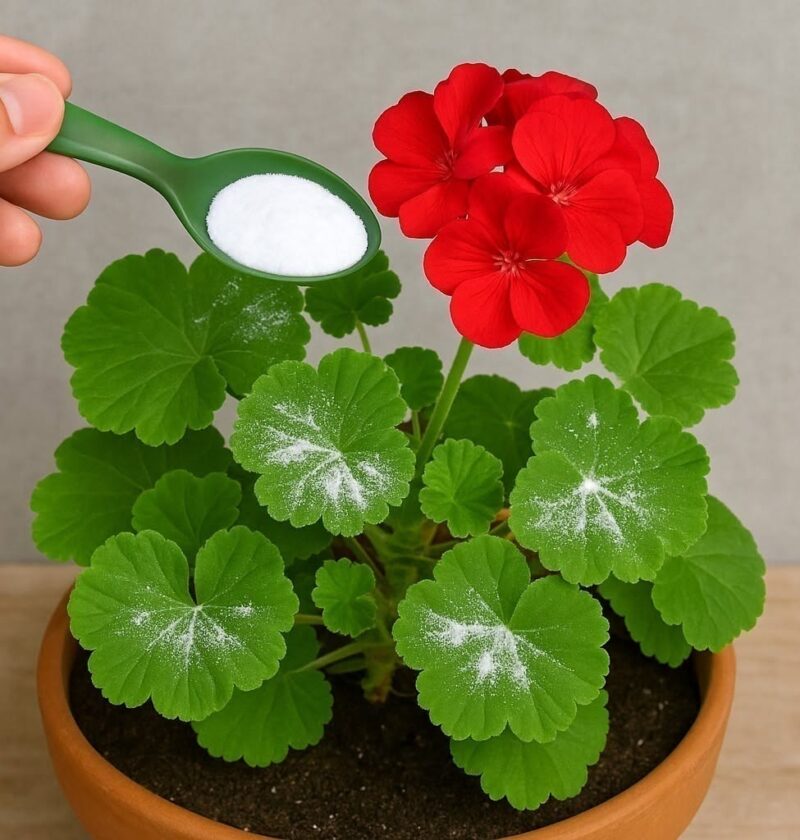
Pelargonium (commonly called geraniums) are beloved flowering plants because they can produce abundant, colorful blooms when they receive the right balance of sunlight, water, nutrients, and care.
One of the biggest mistakes gardeners make with geraniums is watering too often. These plants generally prefer soil that is slightly dry between waterings rather than constantly wet. Overwatering is one of the most common reasons geraniums develop yellow leaves, weak growth, or root problems.
The secret to many healthy, flower-filled geraniums is not a “magic water recipe” — it is learning when and how to water.
The Golden Rule: Water Deeply, Then Let the Soil Dry Slightly
Geraniums have roots that need oxygen. Constantly wet soil can prevent roots from functioning properly.
A good watering routine:
- Check the top 2–3 cm (about 1 inch) of soil.
- If it feels dry, it is time to water.
- Water slowly until excess water drains from the bottom of the pot.
- Empty any standing water from the saucer.
- Wait until the soil dries slightly before watering again.
How Often Should You Water Geraniums?
The schedule depends on:
- Weather
- Pot size
- Soil type
- Amount of sunlight
- Indoor or outdoor growing
During Hot Summer Weather
Geraniums in sunny locations may need water:
- Every few days
- Sometimes daily in very small pots during extreme heat
Always check the soil first.
During Cooler Weather
Growth slows, so watering may be needed less often:
- Once a week or less in some conditions
The Best Time to Water
Morning Is Usually Best
Watering in the morning allows:
- Leaves and soil surfaces to dry during the day
- Roots to absorb moisture before heat arrives
- Lower risk of fungal problems
Avoid frequent nighttime watering when possible because prolonged moisture can encourage disease.
The Correct Watering Technique
Step 1: Water the Soil, Not the Flowers
Pour water around the base of the plant.
Avoid regularly wetting:
- Flowers
- Leaves
- Crowns of the plant
Wet foliage can increase the risk of fungal issues.
Step 2: Give Enough Water
A light sprinkle often only wets the surface.
Instead:
- Water thoroughly
- Allow excess water to drain
- Encourage deeper root growth
A Simple Homemade Plant Watering Boost
Some gardeners use diluted natural additions to support plant care.
Banana Peel Water (Optional)
Banana peels contain nutrients, including potassium, but they are not a replacement for balanced fertilizer.
Preparation
- Cut a banana peel into small pieces.
- Place it in a jar of water.
- Let it sit for 24–48 hours.
- Strain the water.
- Use occasionally.
Avoid leaving decomposing organic material in pots, as it can attract pests.
Fertilizing for More Flowers
Water alone will not create abundant blooms. Geraniums need nutrients.
During the growing season:
- Feed every 2–4 weeks with a balanced flowering fertilizer.
- Avoid excessive nitrogen, which can create lots of leaves but fewer flowers.
A fertilizer higher in phosphorus and potassium may support flowering, depending on the product formulation.
Sunlight: The Key to Many Blooms
Geraniums usually flower best with plenty of light.
Aim for:
☀️ About 4–6+ hours of direct sunlight daily
Insufficient light may cause:
- Long, weak stems
- Fewer flowers
- Pale leaves
Remove Old Flowers Regularly
A simple habit called deadheading encourages continued blooming.
How to do it:
- Pinch or cut off faded flowers.
- Remove the entire flower stalk.
- Check for yellow or damaged leaves.
The plant can then put more energy into producing new flowers.
Pruning for Bushier Geraniums
If your plant becomes tall and thin:
- Trim back long stems.
- Encourage branching.
- Remove weak growth.
Regular pruning often creates a fuller plant with more flowering points.
Choosing the Right Soil
Geraniums prefer soil that drains well.
A good mix may include:
- Quality potting soil
- Perlite for drainage
- Compost in moderation
Avoid heavy soils that stay wet for long periods.
Common Geranium Care Mistakes
❌ Overwatering
Signs:
- Yellow leaves
- Soft stems
- Wilting despite wet soil
- Root problems
❌ Too Little Light
Signs:
- Few flowers
- Weak growth
- Stretching toward light
❌ Too Much Nitrogen
Signs:
- Large green leaves
- Few blooms
❌ Poor Drainage
Even good watering habits fail if excess water cannot escape.
Make sure pots have drainage holes.
How to Revive a Struggling Geranium
If your geranium looks weak:
- Check the roots and soil moisture.
- Move it to a brighter location if needed.
- Remove dead leaves and flowers.
- Allow overly wet soil to dry.
- Begin a proper watering routine.
- Feed lightly once healthy growth returns.
Frequently Asked Questions
Should geraniums be watered every day?
Usually not. Daily watering can lead to overly wet roots unless the plant is in a very small pot during extreme heat.
Can geranium leaves be sprayed with water?
Occasional cleaning is fine, but regular wet leaves are not ideal.
Why does my geranium have leaves but no flowers?
Common causes include:
- Not enough sunlight
- Too much nitrogen fertilizer
- Overwatering
- Lack of pruning
- Plant stress
Do geraniums like coffee grounds?
Small amounts of composted coffee grounds may be added to soil, but large amounts can create problems. They are not a guaranteed flowering solution.
Summary
To keep geraniums full of flowers, focus on the basics: water deeply only when the soil begins to dry, provide plenty of sunlight, use well-draining soil, fertilize appropriately, and remove faded blooms regularly. Healthy roots and consistent care are what create strong, thriving flowering plants.