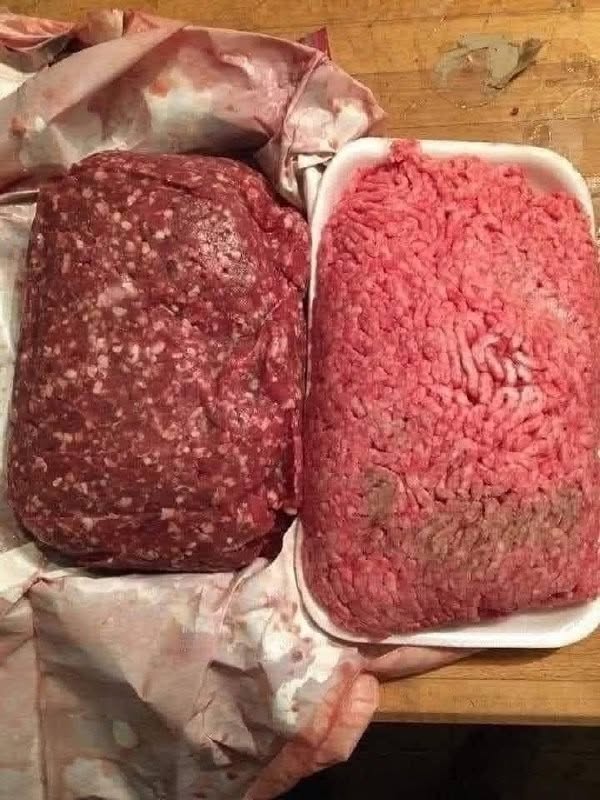
Don’t Get Fooled by the Supermarkets: What You Should Know About the Meat You’re Buying 🥩🛒
You may have seen headlines claiming that supermarkets are “selling you meat from…” followed by alarming statements about fake meat, unsafe imports, or poor-quality products. While these claims often attract attention, they are frequently exaggerated or missing important context.
The quality and origin of meat can vary, but learning how to read labels and choose products wisely is a much better approach than relying on sensational headlines.
1. Check the Country of Origin 🌍
Many meat packages include information about where the animal was:
- Born
- Raised
- Processed
Some countries require country-of-origin labeling, while others have different labeling rules.
If buying from a butcher, don’t hesitate to ask where the meat comes from.
2. Read the Label Carefully 🏷️
Look for information such as:
- Cut of meat
- Weight
- Sell-by or use-by date
- Storage instructions
- Ingredients (for processed meats)
Fresh, unprocessed meat should generally list only the type of meat, with no long ingredient list.
3. Be Aware of Processed Meats
Products like:
- Sausages
- Hot dogs
- Deli meats
- Bacon
may contain:
- Added salt
- Preservatives
- Flavorings
- Fillers
These foods can still be enjoyed occasionally, but it’s worth reading the ingredient list.
4. Look for Fresh Appearance
When buying fresh meat:
Beef
- Bright red or purplish-red (color can vary depending on packaging)
- Firm texture
Pork
- Pink to light red
- Moist but not slimy
Chicken
- Pale pink
- No strong odor
A little variation in color is normal and doesn’t always indicate poor quality.
5. Pay Attention to Packaging
Avoid packages that are:
❌ Torn
❌ Leaking
❌ Excessively swollen
The package should feel cold if refrigerated.
6. Understand Date Labels
Common labels include:
- Sell by – guidance for the retailer.
- Use by – last recommended date for quality or safety, depending on local regulations.
- Best before – relates mainly to quality, not necessarily safety.
Always follow storage instructions.
7. Store Meat Properly at Home
Refrigerate meat promptly after shopping.
General tips:
- Keep raw meat separate from ready-to-eat foods.
- Store it in the coldest part of the refrigerator.
- Freeze it if you won’t use it within a few days.
8. Cook Meat to Safe Temperatures 🌡️
Using a food thermometer is the most reliable way to know when meat is safely cooked.
Examples:
- Poultry: 165°F (74°C)
- Ground meats: 160°F (71°C)
- Whole cuts of beef, pork, lamb, and veal: follow recommended safe temperatures and allow appropriate resting time.
Common Myths About Supermarket Meat
Myth: “All supermarket meat is low quality.”
Reality: Quality varies by store, supplier, and product. Many supermarkets sell high-quality meat that meets food safety regulations.
Myth: “Bright red meat is always fresher.”
Reality: Meat color can change because of exposure to oxygen and packaging methods. Color alone doesn’t determine freshness.
Myth: “More expensive always means better.”
Reality: Price may reflect factors such as breed, feeding practices, certifications, or cut of meat, but it doesn’t automatically mean better quality.
Tips for Buying Better Meat
✅ Buy from stores with good food safety practices
✅ Read labels carefully
✅ Choose cuts that fit your cooking method
✅ Keep meat refrigerated during transport home
✅ Freeze portions you won’t use soon
Final Takeaway
Rather than assuming supermarkets are misleading consumers, it’s more useful to become an informed shopper. Reading labels, checking packaging, storing meat safely, and cooking it properly will do far more for your health than relying on sensational claims. Most supermarkets source meat through regulated supply chains, but understanding what you’re buying helps you make the best choice for your needs. 🥩🛒